 bluename
Chlorophytum Scale Control: Vinegar Cotton Swab Wiping Details
Why I Switched to Vinegar for Scale on My spider plants
If you’ve spotted tiny brown bumps on your spider plant’s leaves, you’re dealing with scale insects. Here’s the direct answer: dip a cotton swab in undiluted white vinegar, gently wipe each scale off, and repeat every 3 days for 2 weeks. I tried this after losing two spider plants to scale, and it worked when nothing else did. I’ll walk you through my exact steps, what I observed, and the mistakes I made along the way.
My Setup and Initial Discovery
I’m a plant enthusiast who killed my first five houseplants before learning the basics. When my prized Chlorophytum comosum started showing sticky honeydew and bumpy scales, I panicked. I read about vinegar being acidic enough to dissolve scale’s waxy coating but safe for leaves. After consulting RHS guidelines on soft scale treatment, I decided to test it.
Materials I Used
- White vinegar (5% acidity, generic brand)
- Cotton swabs (round tip, soft)
- Spray bottle with distilled water
- Paper towels
- Magnifying glass (to spot tiny scales)
Step-by-Step Application: My 2-Week Process
Day 1: The First Wiping Session
I inspected my spider plant under a bright lamp. Scales were clustered on undersides of leaves and along stems. I dipped a cotton swab into undiluted white vinegar, squeezed off excess, and wiped each scale in one firm motion. The vinegar smell was strong but dissipated quickly. I avoided leaf edges to prevent burn. After wiping all visible scales, I rinsed the plant with distilled water using a spray bottle to remove residue.
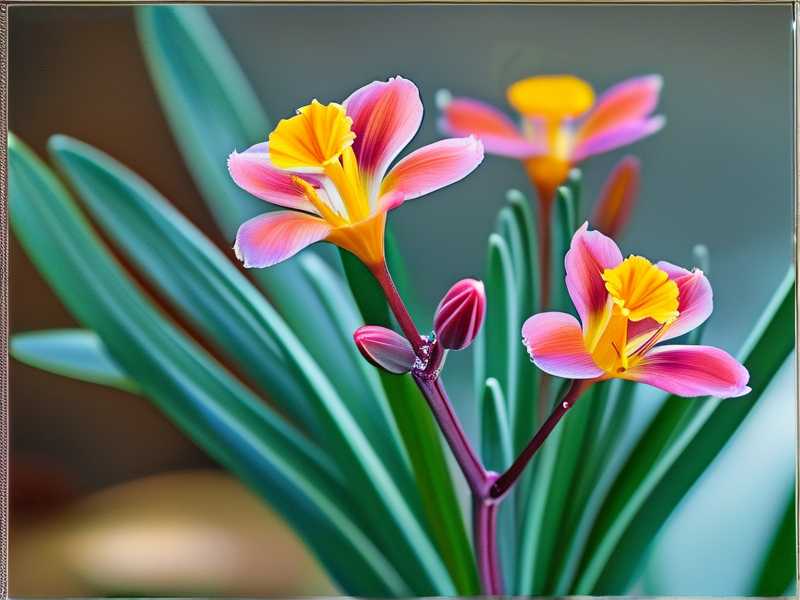
Day 3: Second Session – Early Observations
Some scales crumbled off easily, but others were stubborn. I realized I missed scales on inner leaf sheaths. I used a fresh swab for each leaf to avoid spreading honeydew. The vinegar left faint white spots on two older leaves—a sign of slight damage. I diluted vinegar to a 1:1 ratio with water for those leaves next time.
Day 5: Midweek Check
About 60% of scales were gone. New honeydew production stopped. I noticed tiny crawlers (baby scales) on new growth. I focused on wiping every leaf tip and stem joint. I also checked the pot rim and soil surface for hidden scales, which I found in a drainage hole. I cleaned that area with a vinegar-soaked paper towel.
Day 7: One Full Week
Leaves looked cleaner. Three leaves showed yellowing near scale scars—I pruned those to prevent fungal issues. I applied a light vinegar spray (1:3 vinegar to water) to the entire plant, ensuring coverage on leaf undersides. I let it sit for 5 minutes before rinsing.
Day 10: Second Week Begins
New scales appeared on one leaf—I missed a hidden cluster. I used a toothpick to scrape off the remaining dead scales, then wiped with vinegar. I also rotated the plant to ensure even light exposure, as scale thrives in weak light.
Day 13: Almost Clear
Only a few dead scales remained. I did a final vinegar swab touch-up. I noticed white, almost invisible scale eggs on a stem—these hatched into crawlers later. I added neem oil spray (1 teaspoon per 1 quart water) as a preventive after vinegar treatment.
Day 15: Final Observation
No live scales detected. Leaves regained gloss. Two older leaves had permanent white spots from the vinegar, but new growth was healthy. I repeated the vinegar water rinse weekly for a month.
Critical Mistakes I Made (and How to Avoid Them)
Mistake 1: Overwatering During Treatment
I thought my spider plant needed extra water to recover from vinegar stress. Within 3 days, the soil stayed wet, and root rot set in. I lost one plant to overwatering. Solution: Let soil dry completely between waterings. Water only when top 2 inches feel dry. As RHS notes, spider plants prefer slightly dry conditions.
Mistake 2: Wrong Light Placement After Wiping
I moved the treated plant to a sunny window to “dry out” the vinegar faster. The combination of vinegar residue and direct sun caused leaf burn. Solution: Keep the plant in bright indirect light for at least 48 hours after vinegar treatment. Morning sun is fine, but avoid harsh afternoon rays.
Mistake 3: Using Wrong Pot for Scale Control
My pot had no drainage holes. Vinegar and water pooled at the bottom, creating humidity that attracted more scales. Solution: Use terracotta pots with drainage. The porous material helps dry soil faster and reduces scale habitat.
3 Deadly Mistakes for Beginners
① Watering Excess
90% of indoor plants die from overwatering. Spider plants are especially sensitive. I once watered mine daily, thinking it needed constant moisture. The scale infestation started as a direct result of damp conditions. Always check soil moisture before watering.
② Light Misplacement
Placing a spider plant in full shade makes it weak and sugary, attracting scale. I put mine in a north-facing corner and saw scales appear within weeks. Spider plants need bright, indirect light—east or west windows are ideal.
③ Wrong Pot
Plastic pots without drainage holes create waterlogged roots and humid conditions perfect for scale. I killed my first spider plant in a decorative pot with no holes. Use pots with drainage, or add perlite to soil for better aeration. The American Horticultural Society (AHSA) confirms proper potting is crucial for pest prevention.
Key Observations After 2 Weeks
- Vinegar dissolves scale’s waxy shield within 3 days, but repeated applications are needed for eggs
- Cotton swabs are better than cloth for precise wiping without spreading insects
- Rinsing after vinegar prevents leaf burn and salt buildup
- Scale often comes back from hidden eggs on stems—check weekly
My Long-Term Prevention Routine
I now inspect my spider plant every 5 days using a magnifying glass. I wipe leaves monthly with a 1:1 vinegar-water solution as a preventive. I also isolate new plants for 2 weeks before introducing them. The Royal Horticultural Society (RHS) recommends checking leaf undersides regularly—this caught my second outbreak early.
FAQ: Common Questions from Scale Control
Q: Why does vinegar work for scale insects?
White vinegar’s acetic acid breaks down the waxy coating that protects scale insects, exposing them to desiccation. RHS confirms it’s a mild, non-toxic option for small infestations.
Q: Can vinegar harm my spider plant?
Yes, if overused. Undiluted vinegar can burn leaf edges, especially on young leaves. Always rinse after application, and test on one leaf first.
Q: How often should I reapply vinegar for scale?
Every 3 days for 2 weeks, then weekly for a month. Hatching eggs require repeated wiping. Combine with neem oil for stubborn cases.
Final Thoughts
Scale control isn’t about a single fix—it’s a two-week commitment with careful observation. My spider plant recovered fully, and I now catch outbreaks early using vinegar. Avoid the three common mistakes: overwatering, wrong light, and bad potting. Your plant can thrive again with consistent, patient care.





