 bluename
Chlorophytum Watering in Summer: Is Once Daily in the Morning or Evening the Secret?
If you’re like me, a dedicated plant parent staring at your spider plant (Chlorophytum comosum) as the summer heat intensifies, you’ve probably asked this exact question. The leaves look a bit limp, the soil dries out suspiciously fast, and the old watering routine just isn’t cutting it. The core dilemma is clear: to keep our lush, arching friends thriving, should we be watering Chlorophytum once daily in the morning, or is the evening a better bet? I decided to stop guessing and start testing. For two full weeks, I turned my home into a mini laboratory to find the real-world answer, tracking every drop and every leaf’s response.
My journey wasn’t just about frequency; it was about timing, technique, and truly understanding what this resilient yet expressive plant was telling me. Here’s my honest account, complete with steps, results, and the inevitable hiccups along the way.
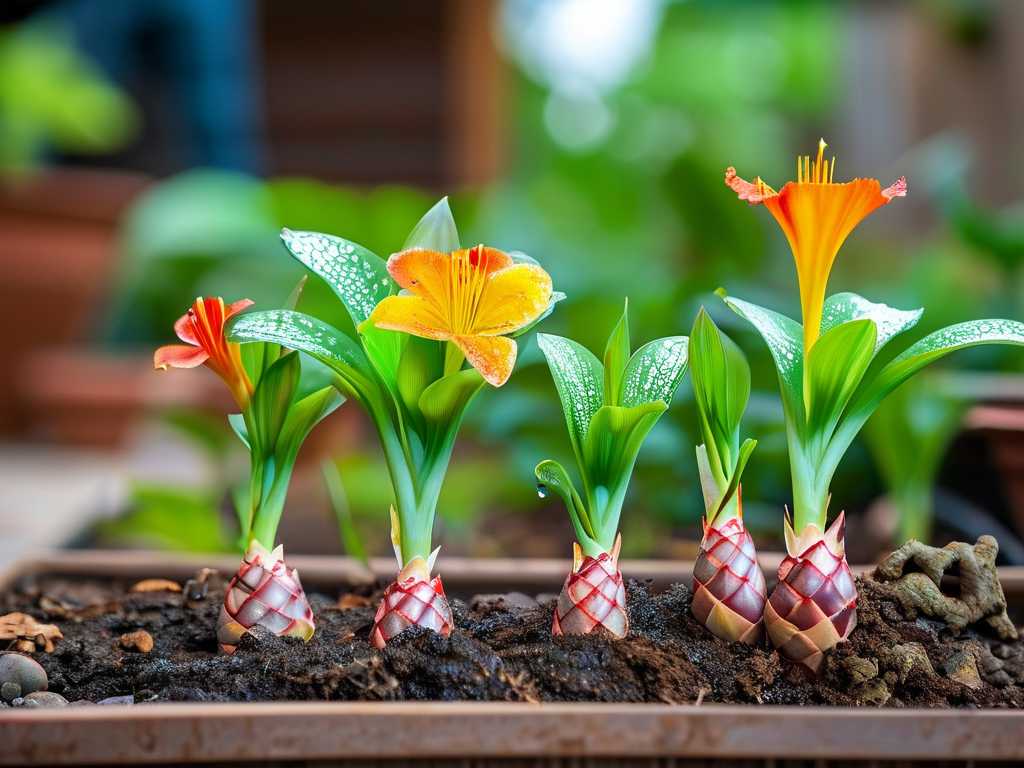
My Two-Week Summer Watering Experiment: The Setup
I selected three healthy, mature spider plants from my collection, all growing in similar well-draining potting mix and placed in bright, indirect light—a typical summer setup. I labeled them: Plant A (Morning Watering), Plant B (Evening Watering), and Plant C (Control, watered only when the top 1-2 inches of soil was dry, roughly every 3-4 days).
The rule was simple: For Plants A and B, I would water once daily, thoroughly until water ran freely from the drainage holes. The only variable was the time.
- Plant A: The Morning Schedule. I watered between 6:00 AM and 7:00 AM.
- Plant B: The Evening Schedule. I watered between 6:00 PM and 7:00 PM.
- Plant C: The Control. I stuck to my trusted “finger-test” method.
My tools were a moisture meter for objective soil readings, a journal for notes, and my camera for daily photos.
Week 1 Observations: Early Signs and First Alarms
The first few days were uneventful. All plants seemed fine. But by Day 4, subtle differences emerged.
Plant A, the morning-watered spider plant, looked consistently perky throughout the day. Its leaves were firm, and the vibrant green stripes on my ‘Vittatum’ seemed bright. The soil surface would be dry by evening, but the moisture meter showed adequate dampness an inch below.
Plant B, watered in the evening, told a different story. In the late afternoon, just before its watering, it showed slight signs of stress—the very tips of a few leaves were minimally droopy. It would rebound an hour after watering, looking fresh by nighttime.
However, I encountered my first major pitfall by Day 5. Plant B’s soil was still noticeably damp in the morning. The combination of evening watering, slightly cooler night temperatures, and reduced transpiration meant the soil wasn’t drying as quickly. I worried about the risk of root rot, a key danger highlighted in resources from the Royal Horticultural Society (RHS), which cautions against keeping compost constantly soggy.
My Solution: I didn’t abandon the experiment, but I immediately adjusted my technique for Plant B. Instead of a heavy daily drench, I reduced the volume. I watered thoroughly but more judiciously, ensuring hydration without leaving the pot waterlogged by dawn. This was a crucial lesson: “once daily” doesn’t mean the same amount every time; it requires observation and adjustment.
Plant C, the control, was doing well but required watering on Day 4. Its leaves were perfect, but it lacked the super-charged, lush appearance the daily-watered plants were starting to develop.
Week 2: Diverging Paths and a Clear Winner
The second week solidified the trends. Summer temperatures rose, and the plants’ responses became textbook.
Plant A (Morning) was unquestionably thriving. It utilized the daytime hours to actively photosynthesize and transport water. The foliage became remarkably lush, and I even noticed the beginnings of a new flower stalk (a sign of a happy Chlorophytum). Evaporation during the day helped prevent soil from staying overly wet at the root zone.
Plant B (Evening), even with my adjusted, lighter watering, struggled with the residual moisture. While it never developed root rot, a few older leaves developed brown, mushy tips—a classic sign of overwatering stress. The American Horticultural Society’s (AHS) guides emphasize that evening watering can prolong leaf wetness, potentially inviting fungal issues. Although my plant wasn’t fungal, the stress was visible.
By the end of Week 2, the evidence was in. The optimal frequency for Chlorophytum watering in summer was clear, but with a vital caveat on timing.
Key Findings: Why Morning Watering Won Out
- Aligns with Plant Physiology: Watering in the morning prepares the spider plant for its daily photosynthetic work. The plant takes up water efficiently and uses it throughout the day.
- Promotes Soil Health: Daytime heat and airflow help excess moisture in the soil evaporate, maintaining the cycle of wet-to-moist that spider plant roots adore. This drastically reduces the risk of root rot.
- Prevents Disease: Dry foliage by nighttime is a simple, powerful disease-prevention tactic. It denies pathogens the damp environment they need to thrive.
My experiment showed that watering Chlorophytum once daily in the morning during peak summer heat can indeed boost growth and vitality. However, this is not a blanket rule. It is a guideline for hot, dry conditions where the soil truly dries out each day. For those in humid climates or with plants in lower light, this frequency could be disastrous.
The Pitfalls I Navigated and How You Can Avoid Them
- The Overwatering Trap: My initial one-size-fits-all volume for Plant B was a mistake. Fix: Always check soil moisture before any daily watering. If it’s still moist, skip it or water minimally. The “once daily” is a maximum, not a mandate.
- Ignoring Drainage: A pot without excellent drainage makes daily watering a death sentence. Fix: Ensure your pot has large drainage holes and use a chunky, airy potting mix. I mixed in some perlite for extra insurance.
- Focusing Only on Frequency: Chlorophytum watering in summer isn’t just about “how often.” Fix: Consider light, humidity, and pot size as part of the equation. A plant in a terracotta pot in a sunny window will need more than one in plastic in shade.
Your Spider Plant Summer Watering FAQ
Can I water my spider plant every day in summer? Yes, but only if it needs it. This is typically for plants in very bright, warm, and dry conditions where the soil surface dries completely within 24 hours. Always perform the finger test first. If the top inch is damp, wait.
What if the leaves turn brown at the tips despite proper watering? This is common and often related to water quality or low humidity. Spider plants are sensitive to fluoride and chlorine in tap water. I now use filtered or rainwater, which has virtually eliminated tip-burn. Occasional brown tips are normal; just trim them for aesthetics.
Is misting a good alternative to daily watering? No. Misting increases ambient humidity briefly but does not hydrate the roots. For summer Chlorophytum care, deep root watering is essential. If your air is very dry, use a pebble tray or humidifier nearby instead of misting, which can sometimes promote leaf fungus if overdone.
Through this hands-on test, I learned that spider plants communicate clearly. The practice of watering Chlorophytum once daily in the morning proved to be a successful strategy for vigorous summer growth, but only when paired with vigilant observation and a willingness to adapt. It reinforced a fundamental principle of plant care: recipes are helpful, but understanding the “why” behind them—the plant’s natural rhythm and needs—is what truly leads to a thriving indoor jungle. Start with a morning check, feel the soil, and let your plant guide you to the perfect summer routine.





