 bluename
Chlorophytum Summer Fertilization: My 2-Week Experiment with Liquid Fertilizer Selection (Fermented Rice Water)
Summer is here, and my spider plants are telling me they’re hungry. I’ve always been cautious about summer fertilization—too much, and you risk burning those delicate roots in the heat; too little, and growth stalls. This year, I decided to dive deep into liquid fertilizer selection, specifically testing a popular, cost-effective homemade option: fermented rice water. My goal was simple: find a gentle, effective way to boost my chlorophytum’s vitality during its active growing season without the harsh chemicals.
For two weeks, I became a full-time plant researcher in my own home. I documented every step, observed every change, and navigated every unexpected hiccup. Here is my complete, honest account of using fermented rice water as a liquid fertilizer for spider plants in summer.
Why Liquid Fertilizers, and Why Rice Water?
Before we get to the experiment, let’s talk about the “why.” Summer is a peak growth period for Chlorophytum comosum. The increased sunlight and longer days trigger a natural growth spurt, demanding more nutrients. Liquid fertilizers are ideal for this season because they are quickly available to the plant roots, providing an immediate nutrient boost. According to the Royal Horticultural Society (RHS), liquid feeding during the main growing season supports lush foliage and stronger plant development.
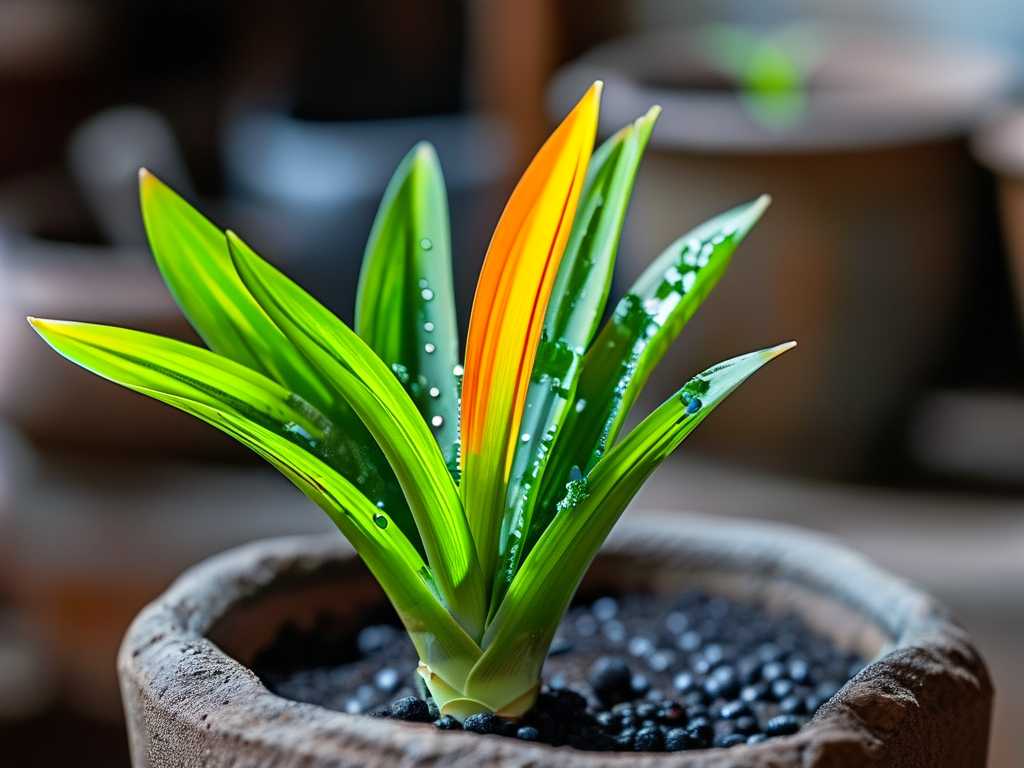
But why fermented rice water? It’s a traditional remedy touted in gardening communities. The theory is that the fermentation process breaks down starches and nutrients, making them more bioavailable. It’s said to contain traces of nitrogen, potassium, phosphorus, and beneficial lactic acid bacteria. For an organic plant enthusiast like me, it was a perfect candidate for a sustainable liquid fertilizer selection this summer.
My Step-by-Step Process: From Kitchen to Garden
I approached this with a scientist’s curiosity and a gardener’s care. Consistency was key.
Week 1: Preparation and First Application
First, I made the fermented rice water. I used the water from rinsing half a cup of organic white rice. I poured this starchy water into a clean glass jar, covered it loosely with a cloth (not a tight lid, as fermentation needs airflow), and left it in a warm, dark spot for 48 hours. A faint sour smell indicated it was ready—this is the lactic acid bacteria at work.
Crucial Step: Dilution. This is where many go wrong. Straight fermented rice water is too strong. I followed a safe ratio for this liquid plant food: 1 part rice water to 4 parts plain water. My spider plants were in well-draining potting mix and had been watered a day before to prevent root shock.
I applied the diluted solution directly to the soil of five of my spider plants, avoiding the leaves to prevent any potential fungal issues. I marked these pots. For comparison, I watered another five of my spider plants with plain water. This was my control group.
Initial Observation (Days 1-3): No dramatic changes, which I expected. The soil seemed to absorb the solution well. I was vigilant for any signs of distress.
The Two-Week Observation: Growth, Glitches, and Green Shoots
Days 4-7: The First Signs Around day five, I noticed a subtle difference. The plants fed with the rice water liquid fertilizer seemed to have a slight, overall brighter green hue compared to the control group. One of my variegated Chlorophytum ‘Vittatum’ showed a promising new shoot emerging from the center. The control plants were healthy but static. However, I also spotted a potential issue: a faint white film on the soil surface of two treated pots. This was my first “pitfall.”
Pitfall #1: Fungus Gnats & Mold Risk. The organic matter in the rice water can attract fungus gnats or promote mold on the soil surface in humid summer conditions.
My Solution: I immediately adjusted my practice. For the next application, I ensured the rice water was thoroughly diluted. More importantly, I allowed the top inch of soil to dry out completely between waterings, creating an environment less hospitable to gnats and mold. I also gently stirred the top layer of soil to break up the film. This solved the issue.
Week 2: Reinforcement and Results I applied the diluted fermented rice water fertilizer a second time on day 10. By now, the new shoot on the ‘Vittatum’ was over an inch long. The other treated plants showed increased numbers of new leaf tips emerging. Growth was not explosive—this is a gentle fertilizer, after all—but it was consistently visible and healthier-looking. The stems appeared sturdier.
Pitfall #2: Nutrient Imbalance Concern. Fermented rice water is not a complete fertilizer. The American Horticultural Society (AHS) emphasizes the importance of a balanced nutrient profile for sustained plant health. Relying solely on rice water could lead to deficiencies over time.
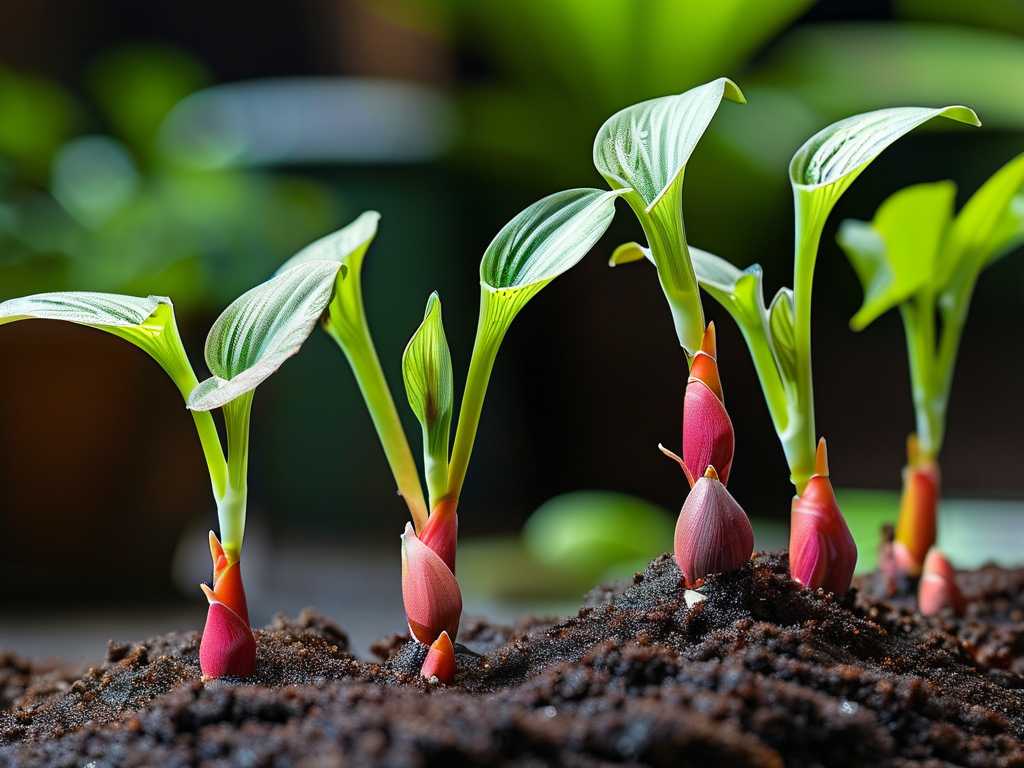
My Solution: I integrated this into a broader summer feeding schedule. I decided that fermented rice water would be an excellent supplemental liquid fertilizer, used once every 2-3 weeks between applications of a balanced, diluted organic liquid fertilizer (with a proper N-P-K ratio). This way, I harness the microbial benefits of the rice water without risking long-term nutrient gaps.
End of Week 2 Verdict: The spider plants fertilized with fermented rice water demonstrated visibly more vigorous and vibrant growth than the control group. The new foliage was robust, and the plants overall had a perkier, healthier demeanor. It was a clear success for providing a mild, growth-stimulating boost.
Key Takeaways for Your Chlorophytum Summer Care
Based on my hands-on experience, here’s how you can effectively use fermented rice water:
- Ferment & Dilute: Always ferment for 24-48 hours and dilute at least 1:4 with water. This transforms it into a safe, usable liquid plant food.
- Apply to Soil, Not Leaves: Water the soil base to deliver nutrients to the roots and avoid leaf issues.
- Mind the Moisture: In summer, let the soil surface dry between applications to prevent pests and mold. This is critical for effective spider plant nourishment.
- Supplement, Don’t Replace: Use it as a beneficial tonic between feedings with a balanced fertilizer. Think of it as a probiotic boost for your plant’s soil ecosystem.
Can I use fresh, unfermented rice water? I don’t recommend it. Fresh rice water is more likely to sour unpleasantly in the soil and attract pests. Fermentation breaks down the compounds, making the nutrients more accessible and introducing beneficial bacteria.
How often should I apply this in summer? For Chlorophytum, once every 2-3 weeks is sufficient during the active summer growth period. Over-fertilizing, even with organic options, can cause salt buildup and harm the roots.
My plant’s soil smells sour after application. What should I do? This likely means the solution was too concentrated or the soil is staying too wet. Stop applications immediately. Aerate the soil surface gently and ensure the plant has excellent drainage. Resume only with a more diluted mixture (try 1:5 or 1:6) and only when the soil is drier.
My two-week journey into Chlorophytum summer fertilization with fermented rice water was enlightening. It confirmed that this homemade solution, when prepared and applied correctly, is a valuable tool in the organic gardener’s kit. It won’t replace a complete fertilizer, but as a gentle, microbial-rich liquid fertilizer selection, it genuinely supports healthier, happier spider plants during the demanding summer months. The key is observation, moderation, and integrating it into a holistic care routine. Your chlorophytum will thank you with a cascade of lush, green growth.





