 bluename
Chlorophytum Aphid Control: My 2-Week Journey Using Yellow Sticky Traps Hung Above Plants
There’s nothing more disheartening than seeing your beloved spider plants, those vibrant Chlorophytum comosums, suddenly looking stunted and sad. I noticed the telltale signs: sticky residue on the leaves, a faint sooty mold, and upon closer inspection, clusters of tiny, pear-shaped pests—aphids. Having tried sprays and soaps with mixed results, I needed a monitoring and control method that was simple, non-toxic, and effective. That’s when I turned my focus to Chlorophytum aphid control using yellow sticky traps. Specifically, I decided to hang them above my plants, a tactic I’d read about but never personally tested. For two weeks, I documented every step, surprise, and result. Here’s my complete, honest account.
Why I Chose Yellow Sticky Traps for My Spider Plants
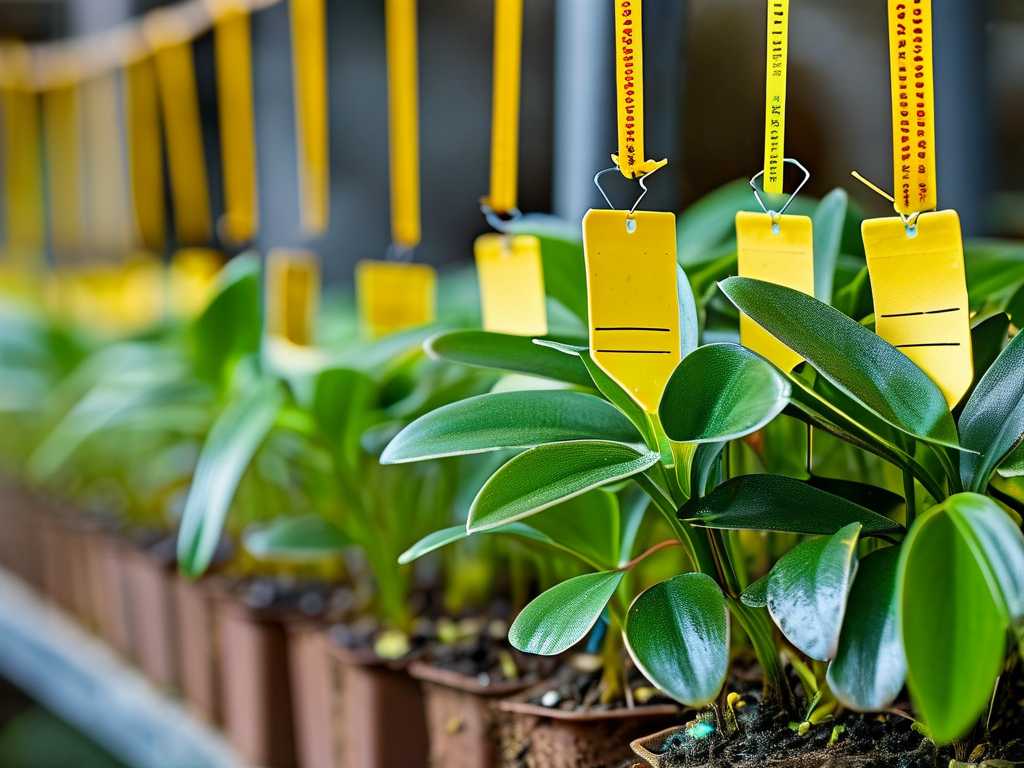
Aphids are notorious for their rapid reproduction. Before launching a full-scale intervention, I needed to understand the scope of the infestation. Yellow sticky traps are renowned in integrated pest management (IPM) not just for control, but for monitoring. Aphids, like many flying insects, are strongly attracted to the color yellow. The Royal Horticultural Society (RHS) notes that sticky traps are a valuable tool for early detection of flying pests in greenhouses and indoor settings. Hanging them above the foliage makes sense because aphids often drop from plants or flutter to new ones. This method targets the winged adults, potentially disrupting their breeding cycle before they give birth to dozens more wingless nymphs on your Chlorophytum leaves.
My Step-by-Step Setup: Hanging Traps for Maximum Effect
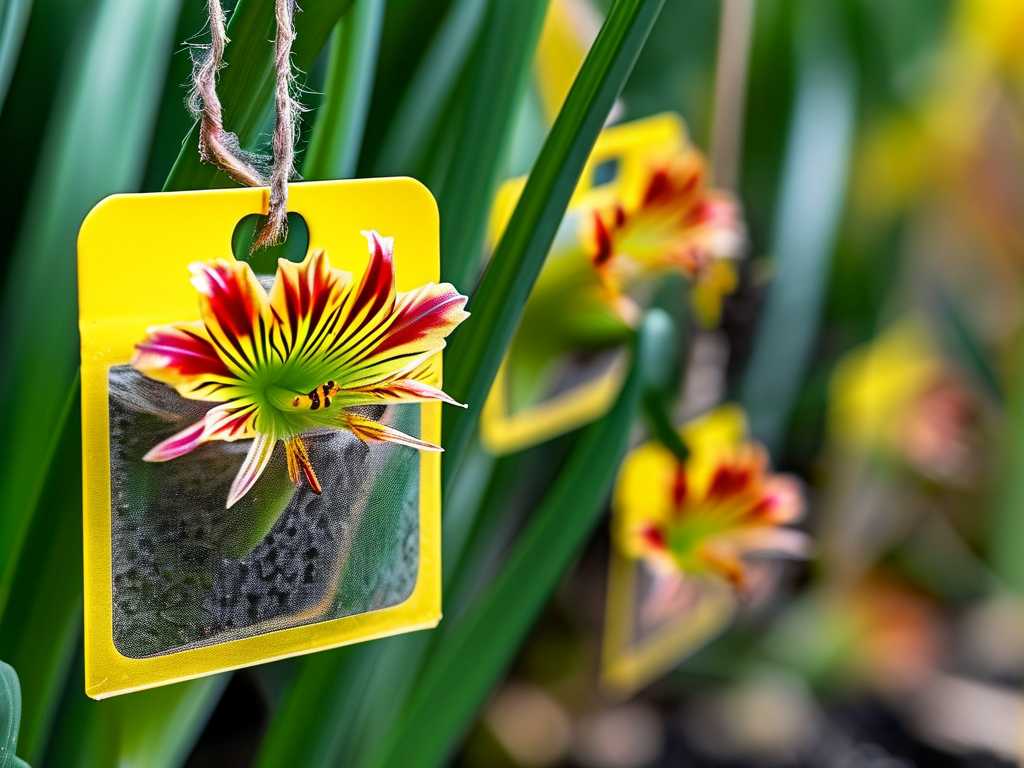
I gathered my supplies: standard dual-sided yellow sticky cards, thin bamboo stakes, and twist ties. My goal was to position the traps strategically above my three affected spider plant clusters.
Step 1: Initial Inspection and Placement Planning First, I thoroughly examined each plant, noting the most infested areas. I decided to use one trap per plant cluster. The key was height. I aimed to place the trap 4 to 6 inches above the highest point of the foliage. This position intercepts aphids in flight as they move toward or away from the plant, without risking the leaves themselves getting stuck to the adhesive—a messy problem I’ve encountered before.
Step 2: Secure Mounting Above the Foliage Instead of pushing stakes into the soil, which could damage roots, I used longer bamboo stakes anchored firmly in the pot. I attached the sticky card to the top of the stake using twist ties, ensuring it was stable. For my hanging spider plant, I suspended a trap from the macramé hanger directly above the plant’s center. I made sure the traps were in a spot with gentle air circulation but not directly in a draft, as strong wind could lessen their effectiveness.
Step 3: Documentation and Baseline I took clear “before” photos of the traps and the plants. I also did a rough count of visible aphids on several marked leaves. This baseline was crucial for measuring progress.
The First Week: Observations and an Immediate Hitch
Within 48 hours, the results were visible. The traps weren’t covered in aphids, but I caught 5-7 per card. More surprisingly, they were catching fungus gnats and whiteflies I hadn’t even fully noticed—a bonus for overall plant health. However, by Day 4, I hit my first snag.
The Problem of Dust and Debris I live in a moderately dusty area. The sticky surfaces were starting to collect tiny dust particles and pet hair, which can reduce the adhesive’s tackiness. A partially clogged trap is less effective at catching small insects like aphids.
My Solution: Strategic Replacement I learned that for monitoring purposes, experts recommend replacing traps weekly when they become dirty or full. I didn’t need to wait for them to be completely covered. On Day 5, I carefully replaced all three traps, wearing gloves to handle the used ones. The new traps immediately showed better catch rates, proving that maintaining a clean, sticky surface is essential.
Week Two: Tracking the Decline and a Surprise Visitor
Entering the second week, the catch count on the new traps began to shift. The number of winged aphids caught decreased noticeably. By Day 12, some traps only had 1 or 2 new aphids. More importantly, my inspection of the plants showed a clear reduction in the live nymph clusters on the leaves. The sticky traps were doing their job by capturing the mature, mobile adults.
However, a new challenge emerged.
The Unintended Catch: Beneficial Insects On Day 10, I found a small, beneficial parasitic wasp stuck to one trap. This was a setback. These wasps are natural aphid predators. According to principles from resources like the Association of Home & Science Advisors (AHSA), non-target catches should be minimized in a true IPM approach.
My Adaptive Solution: Relocation and Refinement I moved the traps slightly further away from the most heavily infested plants, about 8-10 inches above, and only directly over the center. I reasoned that aphids would still be drawn to the yellow from the plant, but highly mobile beneficials might have a better chance. I also added a second line of defense: a gentle blast of water on the leaves every few days to dislodge any remaining nymphs, which the traps cannot catch. This combination—traps for fliers, water for crawlers—proved highly effective.
My Results After 14 Days of Consistent Use
After two full weeks, the change was undeniable. The yellow sticky traps, hung persistently above my Chlorophytum, had caught a total of 43 winged aphids. The sticky honeydew residue on the leaves had dried up and was easily wiped away. New growth was emerging clean and uncurled. The infestation was not “eradicated” in a magical sense—I still found a few isolated insects—but it was brought down to a minimal, manageable level where the plants could thrive again. The traps transitioned from a control tool to a monitoring system, alerting me to any new arrivals.
Common Questions from Fellow Plant Lovers
How often should I change the yellow sticky traps hung above plants? For effective aphid monitoring and control, change them weekly if they become dusty or covered in debris, or bi-weekly if they remain relatively clean. A clean, sticky surface is far more effective. My experience showed that waiting too long significantly reduces their catching power.
Will sticky traps alone solve a severe Chlorophytum aphid problem? For a severe infestation, think of traps as a critical component, not a standalone cure. They excel at controlling the winged, breeding adults. For a comprehensive solution, combine them with other methods. I paired them with a strong water spray to knock off nymphs. In extreme cases, introducing beneficial insects or using an insecticidal soap spray on the foliage, while temporarily removing the traps, creates a powerful multi-pronged attack.
Is the color “yellow” truly the best for controlling aphids on spider plants? Yes, research and my own trial confirm that yellow is uniquely attractive to aphids and other common greenhouse pests. The wavelength mimics young, succulent plant growth. While some blue traps target thrips, yellow is the standard for aphid control. Hanging them above the plant capitalizes on aphid flight behavior, making them a perfect fit for managing aphids on hanging Chlorophytum and upright varieties alike.
Using yellow sticky traps above my spider plants was a lesson in patience and observation. It’s not an instant fix, but a strategic, non-toxic method that provides clear visual feedback. It empowered me to understand the pest’s lifecycle and intervene precisely. For any plant enthusiast facing the dreaded aphid, this simple tool, placed thoughtfully above the green canopy, is a profoundly effective first line of defense and a window into the hidden activity in your indoor garden.





