 bluename
Chlorophytum Scale Control: My 2-Week Battle Plan with Alcohol Wiping
I love my spider plants. Their vibrant green and white stripes have been a constant source of calm in my home office. But that calm was shattered a few weeks ago when I noticed something sinister: tiny, brown, immobile bumps clinging to the undersides of leaves and along the stems. My heart sank. Scale insects. I knew I had to act fast to save my Chlorophytum comosum collection. After researching organic methods, I decided on a targeted approach: Chlorophytum scale control using the alcohol wiping method. This is my detailed, first-hand account of the entire process, from the first swipe to the two-week results, including every mistake and lesson learned.
The thought of using harsh chemicals on my indoor plants was a non-starter. I needed a treatment that was precise, effective for a moderate infestation, and safe for my home environment. Isopropyl alcohol (rubbing alcohol) emerged as the frontrunner. Experts, including resources from university extension services, often recommend it as a contact insecticide for soft-bodied pests like scale. The principle is simple: the alcohol dissolves the waxy protective coating of the scale, dehydrating and killing it on contact. But the real question was: what is the safe and effective alcohol wiping range on a spider plant? Should I wipe every single leaf, focus on stems, or include the delicate petioles? My mission was to find out.
Preparation: Gathering Your Arsenal
Before declaring war, I prepared my tools. Haste can lead to plant damage, so I took my time.
- The Weapon: A bottle of 70% isopropyl alcohol. I chose this concentration because it’s effective yet evaporates quickly, minimizing the risk of leaf burn compared to higher concentrations.
- The Applicators: Cotton swabs (Q-tips) for precision work on small clusters and individual scales, and soft, lint-free microfiber cloths for broader leaf surfaces.
- The Support System: A small bowl to pour a little alcohol into, a magnifying glass for inspection, and a pair of fine-tipped tweezers.
- The Setting: I moved my plant to a well-ventilated area with indirect light. Treating it in direct sunlight could cause the alcohol to evaporate too quickly or intensify any potential burning.
The Step-by-Step Alcohol Wiping Protocol
Here is the exact process I followed, developed and refined over the treatment period.
1. The Initial Inspection and Isolation I carefully inspected every plant. Scale spreads easily, so I isolated the infected Chlorophytum from its healthy neighbors. Using my magnifying glass, I mapped the infestation. The scales were primarily on the undersides of older leaves and nestled in the crevices where the leaf met the stem (the leaf axil). I saw a few on the main stems and the petioles (the small stems connecting the leaf to the main plant).
2. The Wiping Technique: Leaves, Stems, and Petioles This is the core of scale insect removal on spider plants. I dipped a cotton swab into the alcohol, letting the excess drip off so it was damp, not dripping.
- On the Leaves: I gently turned each leaf over, supporting it with my hand. I dabbed each brown scale directly with the swab, holding it in place for a second. I heard a faint click sometimes—the shell breaking. For larger areas with juvenile scales (crawlers), I lightly wiped the area with the damp cloth. I was meticulous, knowing missing even a few could restart the infestation.
- On the Stems: The main stems and runners (stolons) where baby plantlets form required careful attention. Scales love these junctions. I used the swab to dab each visible insect. I avoided soaking the stem, applying just enough to coat the pest.
- On the Petioles: This was the trickiest part. Petioles on spider plants are tender. I used a very lightly dampened swab and applied the absolute minimum pressure, just touching the scale. The goal was to avoid bruising or damaging this crucial transport channel for water and nutrients.
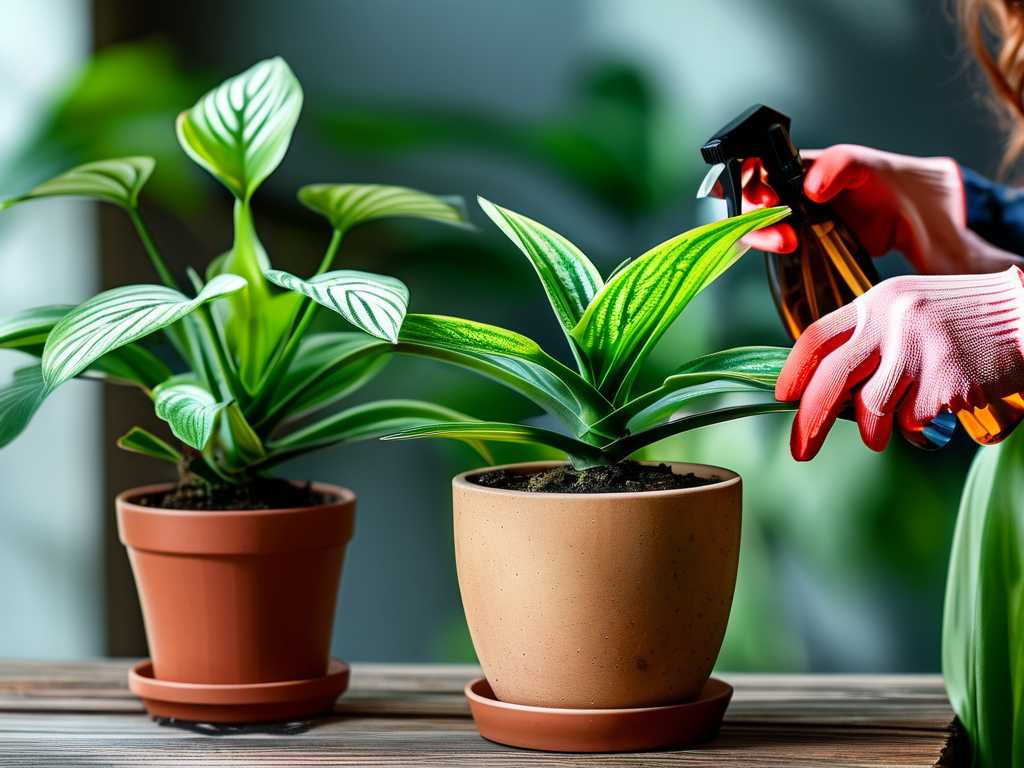
3. The Rinse and Dry Phase After wiping all visible scales, I waited 15-20 minutes for the alcohol to evaporate fully. Then, I took the plant to the sink and used a gentle spray of lukewarm water to rinse the leaves and stems. This helped wash away any dead scales, residual alcohol, and sticky honeydew (the waste product scales excrete, which can lead to sooty mold). I let the plant drip-dry completely in its isolated, ventilated spot before returning it to its usual location.
The 2-Week Observation Log: Victories and Setbacks
This wasn't a one-and-done fix. Scale has a life cycle, and eggs can be hidden. I committed to inspecting and treating every 4-5 days for two weeks.
- Days 1-3: Immediate satisfaction. The brown bumps I had dabbed turned darker and shriveled. They scraped off easily with a fingernail. The plant looked unchanged otherwise—no signs of alcohol burn.
- Days 4-5 (Second Treatment): Upon inspection with my magnifying glass, I found a few tiny, pale yellow specks—newly hatched crawlers—on a stem I thought I’d covered. My first mistake revealed: I had been too conservative on the main stems, fearing damage. I realized the safe wiping range must include all above-ground parts where scale resides, but with adjusted pressure. This time, I was more thorough on the stems.
- Days 8-9 (Third Treatment): The plant was looking healthier. The sticky honeydew was gone. I found only a couple of scales on the underside of one leaf. My confidence grew.
- Day 14 (Final Assessment): After four total treatment sessions, a thorough inspection revealed no live scales. The old, treated ones were dry husks that I brushed away. New growth was emerging clean and vibrant. The alcohol-based treatment for Chlorophytum pests was declared a success.
The Pitfalls I Encountered and How I Solved Them
- The "Too Gentle" Approach: As mentioned, my initial fear of harming the stems and petioles led to under-treatment. Solution: I learned that a light, confident dab with a well-controlled (not dripping) swab is safe. The key is to target the pest, not drench the plant tissue. Test on a small, inconspicuous area first if you're unsure.
- Missing the Crawlers: The tiny, mobile juveniles are almost invisible. Solution: The magnifying glass was indispensable. I also started wiping a broader area around visible adult scales, as crawlers tend to be nearby.
- Overlooking the Rinse: After my first treatment, I skipped the rinse. A few days later, I noticed a slight white residue on some leaves—likely dissolved wax or concentrated alcohol residue. Solution: I incorporated the gentle lukewarm rinse into every subsequent treatment cycle. It made the plant look fresher and prevented any pore-clogging residue.
- Impatience with the Schedule: After the first treatment seemed successful, I almost skipped the second. Thankfully, I didn't. Solution: Setting calendar reminders for inspection/treatment days was crucial. Consistency breaks the reproductive cycle.
Expert Insight for Confidence
To bolster my method, I referenced the integrated pest management (IPM) guidelines from the University of California Statewide IPM Program. They list isopropyl alcohol as an effective tool for scale control on many houseplants, confirming its role in a comprehensive Chlorophytum care routine. They emphasize spot-treatment to minimize plant exposure, which aligns perfectly with the precise wiping technique I used. This validation from a respected horticultural authority gave me the assurance to proceed methodically.
How often should I wipe my spider plant with alcohol for scale? Do not wipe your plant on a fixed schedule "just in case." Only treat when you see active scale insects. During an active infestation, inspect and treat every 4-7 days for at least 2-3 weeks to break the life cycle. Once the infestation is clear, regular weekly inspections are your best defense.
Can I spray alcohol directly on my spider plant instead of wiping? I strongly advise against spraying. Spraying can lead to runoff that saturates the soil (potentially harming roots) and makes it easy to accidentally coat the entire plant in alcohol, which significantly increases the risk of leaf burn and damage. The wiping method is targeted, controlled, and far safer for effective spider plant pest management.
Will alcohol wiping kill the eggs? Isopropyl alcohol is primarily a contact killer for the insects themselves. It may not penetrate reliably to kill all eggs hidden under the female's shell or in crevices. This is why repeated treatments are non-negotiable. You must catch the newly hatched crawlers before they mature and produce their own protective coating.
Winning the battle against scale on my spider plants was a lesson in patience and observation. The alcohol wiping method, when applied meticulously to the full range—leaves, stems, and petioles—proved to be a remarkably effective and gentle solution. It requires a commitment to detail and follow-through, but the reward is a healthy, chemical-free plant. Remember, the goal isn't just to react to pests, but to cultivate a plant so healthy it can better resist them in the future. Now, my Chlorophytum collection is not just surviving, but thriving once again.





