 bluename
Chlorophytum on North-Facing Balcony: My 2-Week Experiment with a 10-Hour Daily Grow Light Schedule
I love my spider plants, but my apartment only has a north-facing balcony. For years, I watched my Chlorophytum comrades struggle—their vibrant green fading, their famous runners refusing to “spider” out, and growth slowing to a crawl. The lack of sufficient, direct light was a constant battle. I knew supplemental lighting was the answer, but the big question haunted me: How long should I run grow lights for Chlorophytum on a north-facing balcony? Was 4 hours enough? Was 14 too much? To end the guesswork, I committed to a focused, two-week experiment using a precise 10-hour daily grow light duration. Here’s my complete journey, from setup to results, including every mistake and lesson learned.
Why a North-Facing Balcony is a Challenge for Spider Plants
North-facing exposures, in the northern hemisphere, receive the least amount of direct sunlight. It’s mostly consistent, cool, indirect light. While Chlorophytum can survive in low light, they truly thrive in bright, indirect conditions. In north-facing spaces, they often become leggy (etiolated), produce fewer plantlets, and lose the striking variegation in varieties like ‘Vittatum’. The plant is merely surviving, not flourishing. According to the Royal Horticultural Society (RHS), Chlorophytum comosum prefers “bright light out of direct sun,” a condition that is inherently dimmer on a north-facing balcony, especially during winter months or in urban settings with obstructions.
My Setup: Choosing and Positioning the Lights
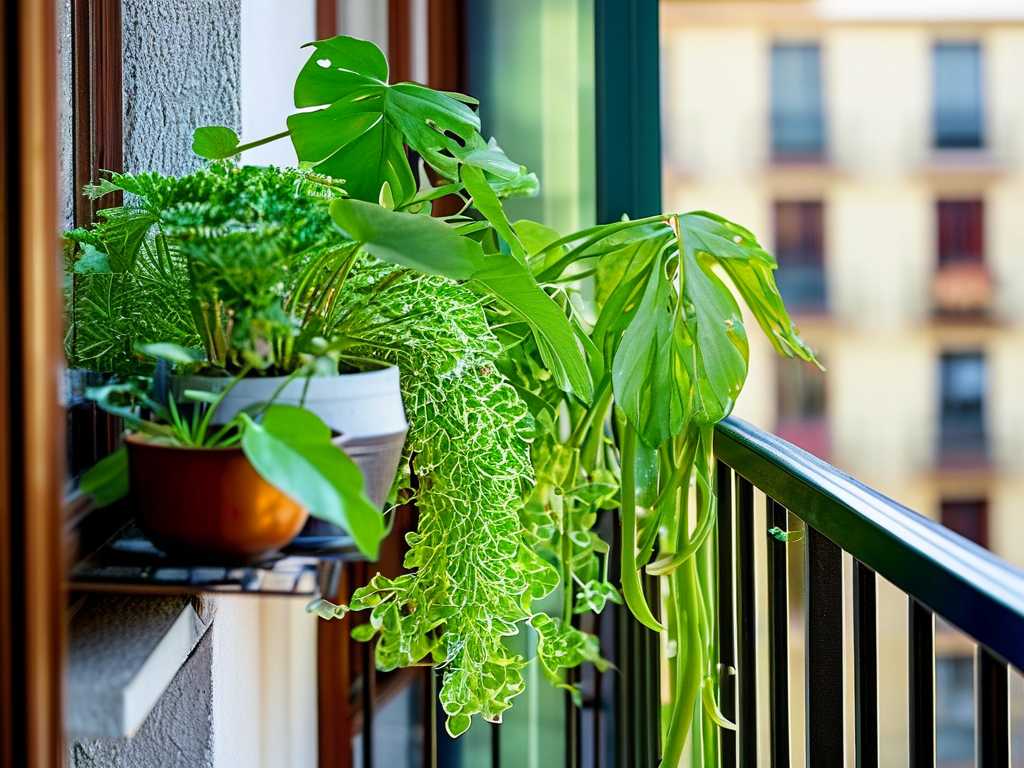
Before starting the clock, getting the setup right was crucial. I use two types of Chlorophytum: the classic variegated ‘Vittatum’ and a solid green ‘Bonnie’. This would help me observe effects on different pigmentation.
The Gear:
- Grow Light: I selected a full-spectrum LED panel (approx. 2000 lumens, 6500K color temperature). LEDs are cool, energy-efficient, and provide a balanced light spectrum mimicking daylight.
- Timer: A simple, programmable digital timer—the most critical tool for consistency.
- Light Meter: A smartphone app (like Photone) to get baseline readings. My north balcony provided a mere 50-100 foot-candles (fc) on an overcast day. My goal was to supplement this to the optimal range for Chlorophytum: 200-500 fc for robust growth.
The Positioning: I mounted the light panel about 12 inches above the tallest leaves. This distance prevents heat stress while ensuring intense enough Photosynthetically Active Radiation (PAR). The lights were angled to cover the entire foliage canopy evenly.
Implementing the 10-Hour Daily Grow Light Schedule
The core of my experiment was the 10-hour photoperiod. I reasoned this would simulate a long, bright summer day, providing a substantial supplemental boost without risking light burnout.
My Daily Routine:
- Schedule: The timer was set from 8:00 AM to 6:00 PM. This aligned roughly with natural daylight hours, feeling more “natural” for the plant’s circadian rhythm than, say, a schedule from noon to 10 PM.
- Consistency is Key: I did not manually turn the lights on or off. The timer ensured the precise daily light duration for indoor Chlorophytum was never compromised.
- Observation Log: I maintained a daily log, noting leaf color, turgidity, and any signs of new growth or stress.
The 2-Week Observation: What Happened to My Chlorophytum?
Week 1: The Adjustment Period The first few days were uneventful. By day 5, however, I noticed a subtle change. The leaves, especially on the variegated plant, appeared more “awake”—less droopy, with a slight increase in sheen. The center crowns felt firmer. There was no dramatic growth yet, but the plants seemed to be photosynthesizing more efficiently. I checked for leaf burn or bleaching daily, but none appeared, confirming my 12-inch distance was safe.
Week 2: Visible Transformation This is where the results became exciting.
- New Growth: Tiny, spear-like new leaves emerged from the centers of both plants. Their growth rate was visibly faster than anything I’d observed in the previous months of pure north-light reliance.
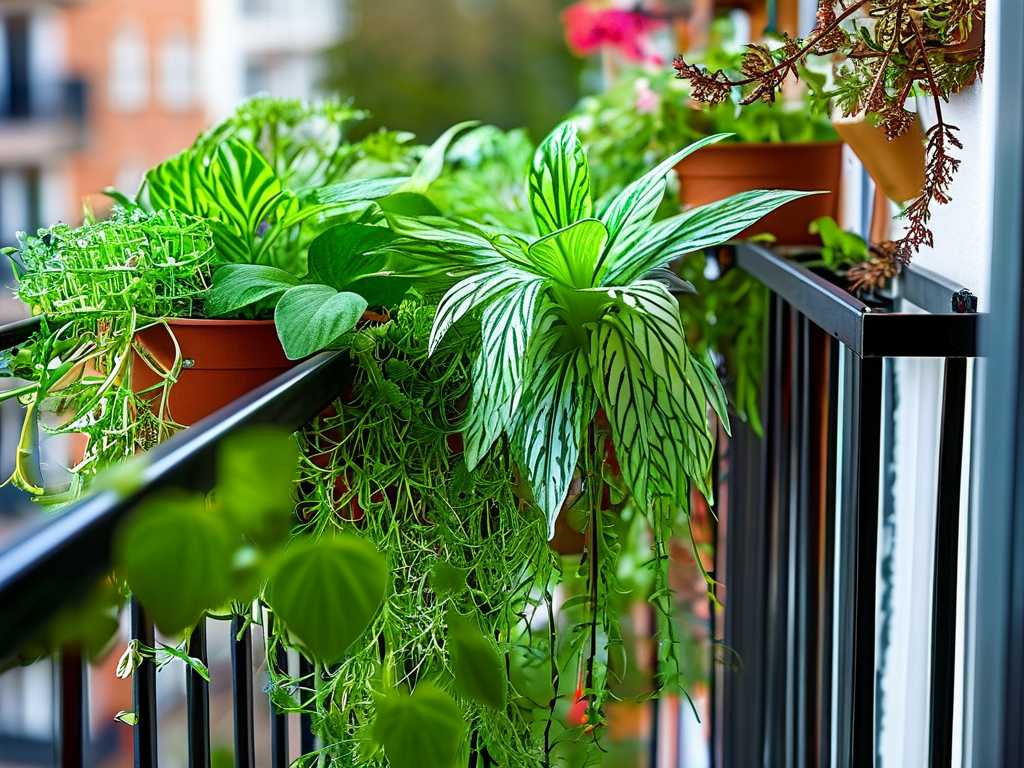
- Color Enhancement: The white stripes on my ‘Vittatum’ became crisper and more brilliant. The green sections deepened in hue. This directly addressed the low-light variegation fade.
- Improved Posture: The existing leaves became more upright and robust, reducing the leggy, stretched appearance. The overall plant looked denser and healthier.
- The First Sign of Propagation: On day 14, I spotted the very beginning of a stolon (runner) starting to develop on the older ‘Vittatum’. This was the ultimate sign of a happy, mature spider plant ready to reproduce—a milestone I hadn’t seen on this balcony in over a year.
The impact of artificial lighting on balcony Chlorophytum was undeniably positive. The 10-hour duration provided enough energy for significant physiological improvements without any observed photoinhibition.
The Pitfalls I Encountered (And How I Fixed Them)
My experiment wasn’t flawless. I hit two snags that are crucial for others to avoid.
Pitfall 1: The “More is Better” Temptation Around day 4, tempted to accelerate results, I considered extending the schedule to 14 hours. I’m glad I didn’t. I later read a study by the American Horticultural Society (AHS) emphasizing that plants require dark periods for respiration and critical metabolic processes. Excessive artificial light for houseplants can disrupt these cycles, leading to stress, even if no physical burn is present. My fixed 10-hour schedule proved to be a balanced, sustainable approach.
Pitfall 2: Ignoring Ambient Heat and Watering Needs The LED panel itself was cool, but combined with the ambient air of the enclosed balcony, it created a slightly warmer, drier microclimate. By the end of week one, the soil was drying out noticeably faster than before. I had initially maintained my old watering routine and nearly caused mild underwatering stress, evidenced by slight leaf tip browning.
- Solution: I adjusted my watering frequency. Instead of watering on a calendar schedule, I began checking soil moisture every 3 days by finger-test. The supplemental light for low-light Chlorophytum increased its metabolic rate and transpiration, so its thirst increased accordingly. This was a vital lesson in holistic plant care.
Optimizing Your North-Balcony Spider Plant Care
Based on my experience, here is my refined care protocol for Chlorophytum in low-light balcony settings using grow lights:
- Light Duration & Intensity: A 10-hour daily grow light cycle is an excellent starting point. Pair it with a full-spectrum LED placed 12-18 inches above the plant. Use a light meter app to aim for a cumulative (ambient + supplemental) reading of 200-500 fc.
- Watering: Always check soil moisture more frequently. The top inch should dry out between waterings, but the pot should not become bone dry. Grow lights will accelerate the drying cycle.
- Feeding: With increased growth from optimal Chlorophytum light requirements on north side, a light feeding regimen is beneficial. I use a balanced, water-soluble fertilizer at half-strength every 4-6 weeks during the growing season.
- Rotation: Rotate your pot a quarter turn every time you water to ensure all sides receive even light exposure, preventing lopsided growth.
Common Questions from Fellow Plant Lovers
Can I use a regular LED desk lamp instead of a “grow light”? You can, but results will be less effective. Regular LEDs often lack the full spectrum, particularly sufficient red and blue wavelengths crucial for photosynthesis. A dedicated full-spectrum grow light is a more reliable investment for meeting your spider plant’s needs on a shaded balcony.
My spider plant’s leaves are developing brown tips even with the grow light. What’s wrong? Brown tips are rarely about light alone. In my case, it was due to adjusted watering needs. More commonly, it’s caused by low humidity, fluoride/chlorine in tap water, or salt buildup from fertilizer. Try using distilled or rainwater, and ensure you’re not over-fertilizing. The grow light might simply be making an existing issue more apparent by boosting growth.
Is 10 hours of light necessary year-round? Not necessarily. You can mimic seasonal changes. In the brighter, longer days of summer, you might reduce supplemental light to 6-8 hours or even rely on ambient light if it’s sufficient. In the deep gloom of winter, maintaining the 10-hour schedule, or even extending it slightly, can be crucial to prevent dormancy and decline. Observe your plant and adjust accordingly.
My two-week deep dive proved that a consistent, well-measured 10-hour daily grow light duration can fundamentally transform the health of a Chlorophytum struggling on a north-facing balcony. It’s not just about preventing decline; it’s about unlocking vibrant growth, bold coloration, and the joyful spectacle of runners bearing new plantlets. The key lies in pairing that light with attentive care to watering and avoiding the temptation to overdo it. With this approach, even the darkest balcony corner can become a thriving haven for your spider plants.





