 bluename
When and How to Fertilize spider plants: Seasonal Tips for Lush Growth
I’ve lost count of how many times I’ve been asked, “Why are my spider plant’s leaves turning brown at the tips?” or “Why won’t my spider plant produce any babies?” For years, I struggled with the same issues. My spider plants, those supposedly indestructible friends, would look sad and stagnant. The breakthrough didn’t come from watering less or giving more light, but from understanding one critical aspect: when and how to fertilize spider plants correctly. It’s not just about feeding them; it’s about syncing with their natural rhythm. Through trial, error, and meticulous note-keeping over countless growing seasons, I’ve dialed in a fertilization routine that transforms these resilient plants from survivors into thriving, pup-producing powerhouses.
Understanding the Spider Plant’s Growth Cycle: Why Timing is Everything
Spider plants (Chlorophytum comosum) are not constantly hungry. In their native habitat, they experience periods of vigorous growth and periods of rest, dictated by light and temperature. Replicating this cycle indoors is the secret to effective fertilization.
During the long, bright days of spring and summer, the plant is in active growth mode. It’s photosynthesizing at full capacity, pushing out new leaves, and, most excitingly, developing those long runners with plantlets. This is when it actually needs nutritional support.
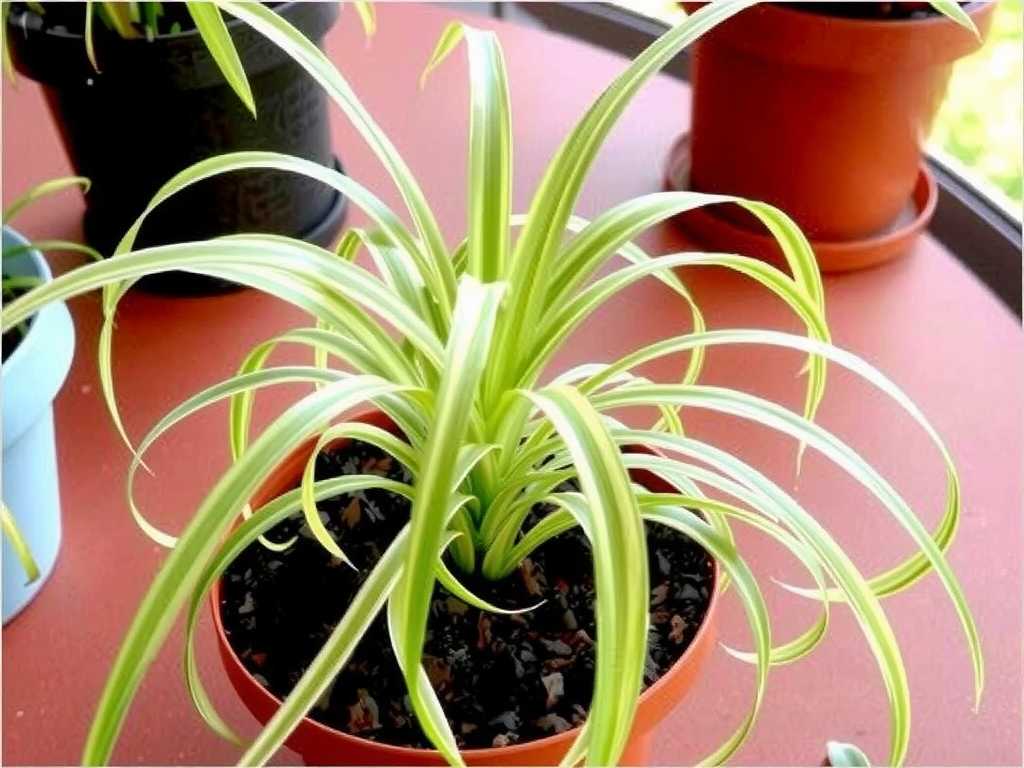
Come fall and winter, with shorter days and cooler temperatures (even indoors), growth slows dramatically. The plant enters a semi-dormant state. Fertilizing during dormancy is one of the most common mistakes. The plant cannot use the nutrients, which then accumulate in the soil, leading to salt buildup that can burn the delicate roots and cause those tell-tale brown leaf tips.
The Royal Horticultural Society (RHS) emphasizes this seasonal approach, stating that feeding should be reduced or stopped entirely in autumn and winter to align with the plant’s reduced metabolic activity. This isn’t just a tip; it’s a fundamental principle of plant physiology.
My Step-by-Step Guide to Fertilizing Spider Plants
After burning a few plants with misguided enthusiasm, I developed a simple, foolproof system. Here is my exact process, which I follow every growing season.
Choosing the Right Fertilizer
I’ve experimented with various types: water-soluble, slow-release granules, and even organic options like fish emulsion. For consistency and control, I always return to a balanced, water-soluble fertilizer. My go-to is a formula with an equal NPK ratio, like 10-10-10 or 20-20-20.
The key is dilution. Spider plants are light feeders and are sensitive to over-fertilization. I never use the strength recommended on the bottle for houseplants. Instead, I follow a “half-strength, or even quarter-strength” rule. For a 20-20-20 fertilizer, I dilute one-quarter teaspoon per gallon of water, which is roughly half of the typical recommended dose.
The Fertilization Process: A Gentle Soak
I always fertilize on a watering day. My process is simple:
- I first check the soil moisture. If the top inch is dry, it’s time.
- I prepare my diluted fertilizer solution in a watering can.
- Instead of pouring it directly onto the soil near the base, I water thoroughly and evenly until I see a small amount of liquid just beginning to drain from the pot’s bottom. This technique, sometimes called “leaching,” helps ensure the entire root ball gets access to the nutrients and prevents concentrated pockets of fertilizer from forming.
- I immediately discard any water that collects in the saucer. Letting the plant sit in fertilizer runoff is a surefire way to cause root damage.
My Two-Week Observation & Results
I decided to document this process rigorously on a mature spider plant that had been resting all winter. It was healthy but hadn’t produced new leaves or pups in months.
Week 1: I applied the first half-strength fertilizer solution as described. For the first few days, there was no visible change—and that’s good. A sudden surge would be unnatural. By day 7, I noticed a subtle change: the center of the plant seemed a slightly brighter, more vibrant green.
Week 2: This is where the magic happened. Just after the second weekly feeding, I spotted not one, but two tiny, spear-like new leaves unfurling from the center. Furthermore, a small, pale nub—the very beginning of a flower stalk—peeked out from the base. The plant was clearly responding to the nutritional signal, shifting its energy from mere maintenance to active growth and reproduction. This two-week timeline is now my standard expectation when I begin my spring fertilization regimen.
Seasonal Fertilization Schedule: A Year-Round Plan
This isn’t a one-time event. It’s an annual calendar.
Spring (March-May): The Kickstart. As daylight increases, I resume feeding. I begin with a single application in early March. If the plant responds well, I move to a bi-weekly fertilization schedule for spider plants, but always at half-strength. This fuels the initial growth spurt.
Summer (June-August): Peak Feeding Season. This is the main event. I maintain the bi-weekly feeding with my diluted solution. The plant is now in overdrive, producing long, arching stolons laden with spider plant babies. Consistent, gentle feeding supports this energy-intensive process.
Fall (September-November): The Wind-Down. As daylight noticeably shortens, I begin to taper off. In September, I reduce feeding to once a month. By late October or early November, I administer the last fertilizer application of the year. This allows the plant to gradually slow down without a sudden shock.
Winter (December-February): The Rest Period. I stop fertilizing completely. No exceptions. The plant is resting, and its water needs diminish, too. My care shifts to simply ensuring it gets adequate indirect light and survives the dry indoor air. This period of rest is crucial for its long-term health.
The Pitfalls I’ve Encountered (And How to Fix Them)
My journey wasn’t without casualties. Here are the mistakes I made so you don’t have to.
The Burned Leaf Tip Epidemic: This was my first major issue. I used full-strength fertilizer, eager to see results. Within weeks, the leaf tips turned brown and crispy. The American Horticultural Society (AHA) notes that fluoride and boron in water can cause tip burn, but salt buildup from over-fertilization is a primary culprit.
- My Solution: I immediately stopped fertilizing and began a process called “leaching.” I placed the plant in a sink and slowly poured a large volume of plain, room-temperature water through the soil, allowing it to drain freely for several minutes. This helped flush out excess salts. I then trimmed the brown tips at a slight angle for aesthetics and switched to my permanent half-strength dilution rule.
The Mystery of the No-Shows (Pups): I had a lush, green spider plant that refused to produce any offsets. I was baffled.
- My Solution: Research and patience taught me two things. First, a slightly pot-bound plant is more likely to produce pups, as it feels the need to reproduce. My plant was in too large a pot. Second, and more relevant, was fertilization timing. I was feeding it sporadically, not on a consistent growing-season schedule. Once I repotted it into a snugger container and implemented the consistent spring/summer feeding plan, it sent out runners within that same season.
The Yellowing Leaves Dilemma: At one point, older leaves started turning yellow. I initially thought it was under-fertilization and fed more, which made it worse.
- My Solution: I learned that yellowing can be a sign of overwatering or, ironically, over-fertilization, which damages roots and prevents them from taking up water. I let the soil dry out more thoroughly between waterings and held off on fertilizer. The plant stabilized. Now, I always rule out watering issues before considering nutrient problems.
How often should I fertilize my spider plant? During the active growing season (spring and summer), fertilize every two weeks with a diluted, balanced fertilizer. In fall, reduce to once a month. Stop entirely during the winter.
Can I use Miracle-Gro on spider plants? Yes, you can use a balanced, water-soluble fertilizer like Miracle-Gro. However, it is crucial to dilute it to half or even one-quarter of the recommended strength on the label to prevent fertilizer burn.
What is the best natural fertilizer for spider plants? A great organic option is a diluted fish emulsion or seaweed extract. They provide a gentle, broad spectrum of nutrients. As with synthetic fertilizers, always dilute more than the bottle suggests and apply only during the growing season.
Mastering the art of feeding your spider plant is about listening to its seasonal language. It’s a commitment to gentle, consistent support during its times of effort and respectful silence during its rest. By aligning your care with its innate cycle—providing diluted, regular meals from spring through summer and then stepping back—you’re not just avoiding brown tips. You’re partnering with the plant to encourage a spectacular display of vibrant, arching leaves and an abundance of charming plantlets, turning a simple houseplant into a true centerpiece of greenery.





