 bluename
How to Mix Pumice Stone Into Potting Soil for Improved spider plant Drainage
If your spider plant is sitting in soggy soil right now, here's the short answer: mix pumice stone into your potting soil at roughly 20–30% of the total volume. That's it. That single change is what finally stopped my spider plant roots from rotting after I killed three of them in two years.
I'm writing this as someone who has drowned more houseplants than I'd like to admit. Spider plants are supposed to be easy. Everyone says so. But easy doesn't mean idiot-proof, and I was living proof of that for a long time.
Let me be blunt: 90% of indoor plants die from overwatering. Not underwatering. Not bad luck. Overwatering. And spider plants, despite their reputation for toughness, are sitting ducks when their soil stays wet too long.
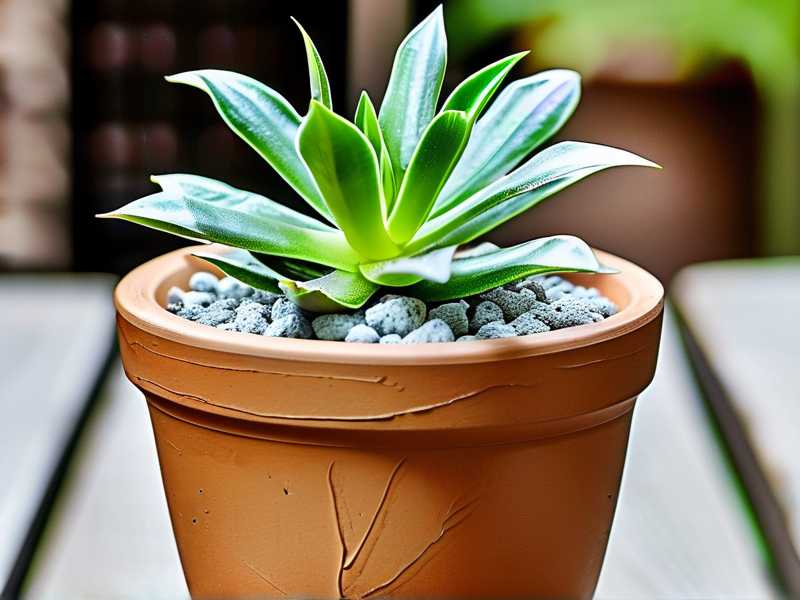
So this is the fix. Pumice. Not perlite, not sand, not gravel at the bottom of the pot (please stop doing that). Pumice, mixed properly, at the right ratio, with the right pot and the right watering habits to match.
I'll walk you through exactly how I do it, what I screwed up along the way, and what I saw happen over two weeks after I switched my spider plants to a pumice-blended mix.
Why Spider Plants Hate Wet Feet More Than You Think
Spider plants store water in their thick, fleshy roots. That's their survival trick. Those chunky roots look like little tubers, and they hold moisture for the plant to draw on during dry spells.
Here's the problem. If the soil around those roots stays consistently wet, the roots can't breathe. They suffocate. Then they rot. And once root rot starts, it moves fast.
I learned this the hard way with my second spider plant. It looked fine for weeks. Then one day the leaves went pale and limp, and when I pulled it out of the pot, the roots were brown mush. The smell was unforgettable.
The RHS is clear on this: most houseplants, including spider plants, need free-draining compost and should never sit in waterlogged soil. Their guidance on container growing consistently stresses drainage as the number one factor in root health.
The AHS says something similar in its container gardening resources, noting that adequate pore space in potting media is what allows oxygen to reach plant roots. No oxygen, no roots. No roots, no plant.
So the goal is simple. You want soil that holds enough moisture to keep the plant hydrated but drains fast enough that the roots get air between waterings. Pumice does exactly that.
What Pumice Actually Does in Potting Soil
Pumice is volcanic rock. It's lightweight, porous, and full of tiny holes. Those holes do two things: they let water pass through quickly, and they hold a little moisture and air on their own.
When you mix pumice into potting soil, you're basically creating air pockets throughout the root zone. Water flows through instead of pooling. Roots get oxygen. Everybody's happy.
Compare that to perlite, which a lot of people use. Perlite works. I've used it. But it's light and tends to float to the surface over time, especially when you water from the top. Pumice is heavier. It stays put in the mix. It doesn't migrate. That's a real advantage for long-term container growing.
I'm not saying perlite is bad. I'm saying that after years of watching perlite creep to the top of my pots, I switched to pumice and never looked back.
The Exact Mix I Use
Here's my go-to blend for spider plants. It's not complicated.
- 60–70% standard indoor potting mix (I use a basic peat or coir-based blend)
- 20–30% pumice stone (sifted to remove dust, sized roughly 1/8 to 1/4 inch)
- 10% worm castings or finished compost for a little nutrition
That's it. Three ingredients. I mix it in a bucket with my hands until it's evenly combined. You'll know it's right when you squeeze a handful and it holds together loosely but falls apart with a light touch.
If your potting mix already contains perlite or bark, that's fine. Just reduce the pumice slightly so the total drainage material doesn't exceed about 35%. Too much drainage and the soil dries out so fast you'll be watering every other day.
I aim for 25% pumice most of the time. For a 6-inch pot, that's roughly a half cup of pumice mixed into two cups of potting soil. Simple.
My Two-Week Observation: What Changed
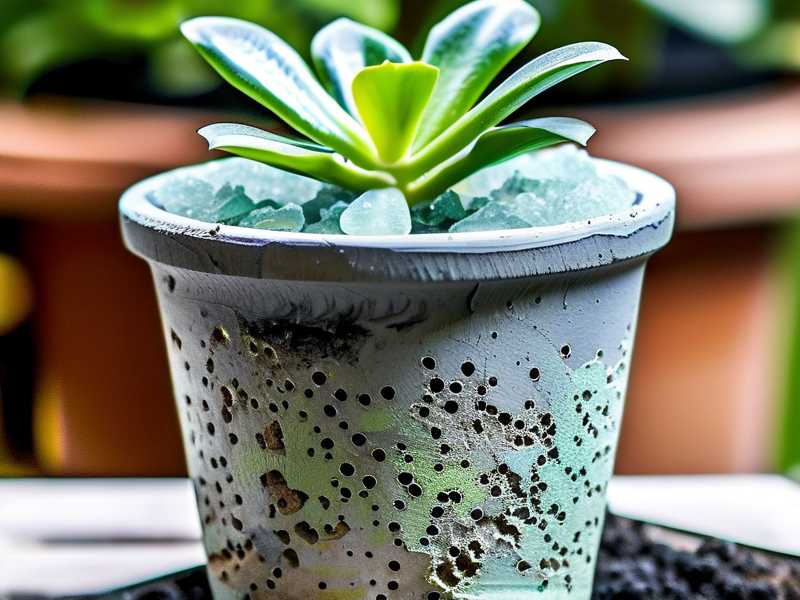
I repotted two spider plants on the same day. One went into my standard potting mix (the one that had been slowly killing them). The other went into the pumice blend. Same pot size. Same room. Same watering schedule. I watered both when the top inch of soil felt dry.
Day 3: The pumice plant's soil was noticeably drier at the surface, but the plant looked completely normal. The other plant's soil was still damp.
Day 7: The pumice plant showed no signs of stress. Leaves were firm. The standard-mix plant had one leaf tip going brown, which is an early stress signal.
Day 10: I watered both again. The pumice plant absorbed water evenly and drained within seconds. The standard-mix plant's soil took longer to absorb and stayed wet at the bottom.
Day 14: The pumice plant had pushed out a tiny new leaf from the center. The standard-mix plant was still alive but looked dull and slightly droopy.
That's not a scientific study. It's just what I saw. But it matches what I've experienced over and over: when drainage improves, spider plants perk up. The difference isn't dramatic overnight, but by week two you can see it.
The 3 Mistakes That Kill Spider Plants (I Made All of Them)
Mistake 1: Overwatering
I know. Everyone says this. But let me tell you what overwatering actually looks like, because it fooled me for years.
The leaves go pale and limp. You think, "It needs water." So you water it. It gets worse. You water it more. Now the roots are drowning and rotting, and you have no idea because the soil surface might look dry while the bottom of the pot is a swamp.
I watered my first spider plant every three days because the top of the soil felt dry. The bottom was soaked. The roots rotted. The plant died. That was the first one.
Fix: Stick your finger two inches into the soil. If it's damp, wait. If you're not sure, wait another day. Spider plants tolerate drought far better than they tolerate soggy roots.
Mistake 2: Wrong Light
I put my second spider plant in a dark corner because I read they tolerate low light. They do tolerate it. They don't thrive in it.
In low light, the plant uses less water, which means the soil stays wet longer, which means the roots rot faster. Bad light and overwatering are a tag team.
Fix: Bright, indirect light. A few feet from a south or west-facing window is ideal. If you're in the UK or Canada and light is scarce in winter, a cheap grow light helps more than you'd think.
Mistake 3: Wrong Pot
This one took me embarrassingly long to figure out. I had a beautiful ceramic pot with no drainage hole. I thought a layer of gravel at the bottom would work as drainage. Everyone told me that.
It doesn't work. Gravel at the bottom just raises the water table in the pot. The soil above the gravel stays wetter, not drier.
Fix: Use a pot with actual drainage holes. If you love a decorative pot with no holes, use it as a cachepot and keep the plant in a plastic nursery pot inside it. Take the nursery pot out to water and let it drain before putting it back.
How to Mix Pumice Step by Step
- Gather your ingredients. Potting mix, pumice, and worm castings if you have them.
- Sift the pumice if it's dusty. A quick rinse and dry works too.
- Measure by volume, not weight. Roughly 3 parts potting mix, 1 part pumice.
- Mix thoroughly in a bucket or on a tarp. Break up clumps.
- Fill your pot about a third of the way, place the plant, and backfill.
- Tap the pot gently to settle the mix. Don't press it down hard.
- Water thoroughly until it runs out the drainage holes.
- Let the pot drain completely before putting it back on a saucer or in a cachepot.
That's the whole process. It takes five minutes and costs almost nothing if you buy pumice in bulk.
Pumice vs. Perlite vs. Sand: What I've Tried
- Pumice: My favorite. Stays in place, doesn't float, provides lasting drainage. Slightly heavier, which helps stability.
- Perlite: Works well but floats to the surface over time. Cheaper and easier to find. Fine for short-term potting.
- Sand: Don't use fine sand. It compacts and actually reduces drainage. Coarse sand is okay in small amounts, but pumice is better.
- Gravel at the bottom: Actively harmful. Skip it.
I've tried all of these. Pumice wins for spider plants because those thick roots need consistent air pockets, and pumice delivers that without breaking down or shifting around.
Watering After You Switch to Pumice
Your watering schedule will change. That's the point.
With better drainage, you'll need to water more often—but each watering is safer. I went from watering every 10–14 days in heavy soil to every 7–10 days in the pumice mix. The plant is healthier. The roots are happier. I'm not stressed about root rot anymore.
Simple test: water when the top one to two inches of soil feel dry. In summer, that might be every week. In winter, every two to three weeks. Feel the soil. Don't guess.
Frequently Asked Questions
Can I use pumice with any potting soil?
Yes, almost any standard mix works. Just avoid soils that are already heavy with clay or that contain moisture-retention crystals, since those fight against drainage.
How much pumice is too much?
If more than about 35% of your mix is pumice, the soil drains so fast that nutrients wash out and you'll be watering constantly. Stick to 20–30% for spider plants.
Do I need to repot every year with a pumice mix?
Not necessarily. Pumice doesn't break down like perlite or bark, so the structure holds up longer. I've gone two years in the same pumice mix without issues. Just refresh the top inch of soil annually and repot when roots crowd the pot.
Mixing pumice into your potting soil isn't glamorous. It's not a magic trick. It's just good practice. Spider plants are forgiving, but they're not indestructible. Give them soil that drains, a pot that breathes, and light that actually feeds them, and they'll reward you with pups, healthy leaves, and years of easy growth.
I wish I'd known this before I killed three of them. But I know it now, and my current spider plants are the healthiest I've ever had. Give it a try. Your plant will tell you within two weeks whether it's working.





