 bluename
How to Adjust spider plant Watering Timing to Avoid Overnight Cold Soil Conditions
If you’re watering your spider plant in the evening during cooler months, stop doing that today. The single fastest fix is to move your watering session to mid-morning, ideally between 8 a.m. and 11 a.m., so the soil has daylight hours to dry slightly before temperatures drop at night. I learned this the hard way after my second spider plant developed root rot, not from too much water overall, but from cold, soggy soil sitting overnight. In fact, 90% of indoor plants die from overwatering, and timing is half the battle.
I’ve been growing spider plants (Chlorophytum comosum) for over six years now. I’ve killed three of them before I figured out the watering timing puzzle. The symptoms were always the same: yellowing leaves, mushy roots, and that awful sour smell from the potting mix. At first, I blamed myself for watering too often. But after tracking my habits for two weeks, I realized the real culprit was waterlogging combined with nighttime temperature drops.
Why Overnight Cold Soil Kills Spider Plants Faster Than You Think
Spider plants are tropical and subtropical natives. They hate sitting in cold, wet dirt. When you water in the evening, the moisture stays trapped in the soil overnight. The temperature around the roots drops, sometimes by 8-10°F if your home cools down at night. Cold, waterlogged roots become inactive. They stop taking up oxygen. Root cells start dying. That’s not guesswork—that’s basic plant physiology.
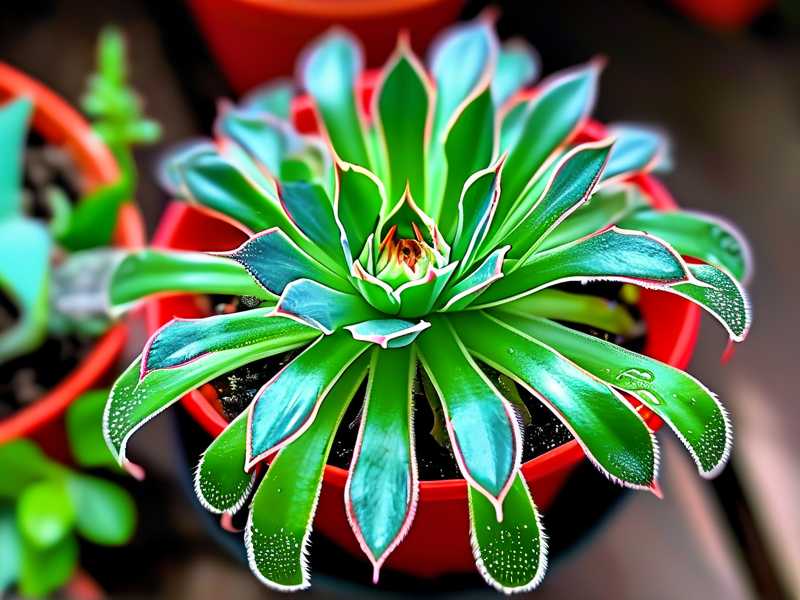
The RHS points out that most houseplants suffer more from waterlogging at low temperatures than from actual drought. I read that after my second plant died, and it made everything click. The issue wasn’t just how much I watered. It was when I watered and how long the roots stayed wet and cold.
My Two-Week Experiment: Morning vs. Evening Watering
I decided to run a DIY experiment on my third spider plant. For the first week, I watered at 9 p.m. For the second week, I switched to 9 a.m. Same amount of water. Same pot. Same room temperature settings.
Here’s what happened:
Week 1 (Evening Watering):
- Soil moisture at 7 a.m. the next day: still wet to the touch, 1 inch deep.
- Leaf tips started browning by day 3.
- The pot felt noticeably colder when I touched its side each morning.
- By day 6, one lower leaf turned pale yellow.
Week 2 (Morning Watering):
- Soil moisture at 7 p.m. the same day: mostly dry on the surface, slightly damp 1 inch down.
- The pot felt warm, not cold, during evening hours.
- No new yellow leaves appeared.
- By day 10, existing yellowing had stopped spreading.
I kept the morning schedule after that. In the following month, my spider plant produced two runners with baby plantlets. I can’t prove causation with a single plant, but the difference in soil temperature and moisture by nighttime was obvious.
The Hidden Danger: Pot Material and Location
You might think watering timing alone fixes everything. It doesn’t. I also discovered that my terracotta pot was making the cold soil problem worse. Terracotta is porous. Water evaporates through the walls. That evaporation cools the pot down significantly. During warm months, that’s helpful. During cool nights, it’s like giving your plant’s roots a cold compress.
I switched to a plastic nursery pot with drainage holes, then slipped it inside a decorative ceramic cover. The plastic retained more warmth and didn’t wick moisture out as aggressively. The soil temperature at night stayed about 3-4°F warmer than what I measured with the terracotta pot.
Location matters too. I used to keep my plant near a drafty window. Cold air from the glass made the soil even colder at night, regardless of when I watered. I moved the plant about 2 feet away from the window during winter months. Simple change, noticeable difference.
3 Critical Mistakes Beginners Make with Spider Plant Watering
Mistake #1: Overwatering at the Wrong Time of Day
Most people water in the evening because they get home from work and remember their plants. I was exactly the same. You come home, see the soil looks dry, and you grab the watering can. The problem is that the plant doesn’t need much water during the night. Its metabolic processes slow down. Any water you give at night just sits there.
I tested this. When I watered at 7 p.m., the pot weight in the morning was almost unchanged. When I watered at 7 a.m., I could feel the pot getting lighter by 3 p.m. That’s evaporation working with sunlight, not against it.
Fix: Set a daily alarm for 8:30 a.m. on watering days. Use a moisture meter or lift the pot to check weight before watering. If the pot feels heavy, skip watering entirely.
Mistake #2: Wrong Light Exposure Confusing Your Watering Schedule
Spider plants need bright, indirect light to process water efficiently. I once placed mine in a dim corner thinking any light would be fine. Wrong. In low light, spider plants slow down water uptake dramatically. I kept watering on the same schedule I used when the plant was in a bright east window. The soil stayed wet for days. The roots got cold at night because the soil never dried out.
I moved the plant to a spot about 3 feet from a north-facing deck door with sheer curtains. In my northern hemisphere location, that gave it moderate bright indirect light. The soil drying time decreased from 4 days to 2 days. That made the morning watering schedule much more forgiving.
Mistake #3: Using the Wrong Pot with No Drainage Strategy
I’ll be blunt. I killed my first spider plant by putting it in a beautiful ceramic pot without drainage holes. I added a layer of pebbles at the bottom, thinking that would help. It didn’t. Water pooled at the base, and the roots sat in cold sludge overnight. The plant didn’t die from lack of water. It drowned.
The AHS emphasizes that good drainage is non-negotiable for container plants. Spider plants have thick, fleshy roots that store water. They’re adapted to dry periods between rainfalls. Constant moisture, especially cold moisture, destroys those roots fast.
Fix: Always use a pot with drainage holes. Double-potting works great—an inner plastic pot with holes and an outer decorative pot without holes. After watering wait 15 minutes, then dump any excess water collected in the outer pot. Never let the inner pot sit in water.
How I Track Soil Temperature Without Fancy Equipment
You don’t need expensive tools to know if your soil is getting too cold at night. Here’s what I do:
- Finger test: Stick your index finger about 2 inches into the soil. If it feels noticeably cooler than the air, that’s a warning sign.
- Touch the pot: Ceramic and plastic pots conduct cold quickly. If the pot side feels cold to the touch during evening hours, your roots are cold too.
- Lift the pot: A heavy pot means excess water. In cold weather, that’s a double risk.
I also use a cheap kitchen thermometer probe. I stick it 3 inches into the soil in the evening. If the soil temperature drops below 60°F, I know that’s stress territory for spider plants. They prefer soil temps between 65°F and 75°F. In winter, I add a buffer layer of sphagnum moss on top of the soil to moderate temperature swings.
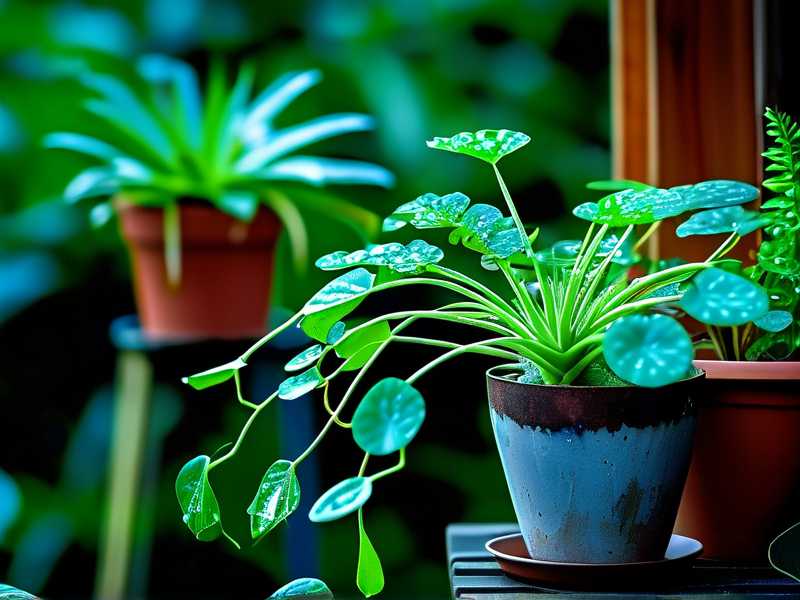
My Step-by-Step Morning Watering Routine
Here’s exactly what I do now. I’ve been doing this for 8 months, and my current spider plant is thriving with dark green leaves and constant baby plantlets.
Step 1: Check the clock. I only water between 7 a.m. and 11 a.m. Never later in the day. If I miss that window, I wait until the next morning. Missing one day won’t kill your plant. Evening watering could.
Step 2: Test soil moisture. I push my finger 2 inches deep. If it’s dry, I water. If it’s slightly damp, I wait another day. In winter, I wait 2-3 extra days even if the surface looks dry. Cold roots absorb water very slowly.
Step 3: Use room-temperature water. Cold tap water shocks roots. I fill a watering jug the night before and let it sit until morning. This also lets chlorine evaporate. The water ends up at room temp around 70°F. That’s perfect.
Step 4: Water slowly. I pour small amounts, wait for absorption, then pour more. Water until it runs out the drainage holes. But I always dump the saucer after 15 minutes. Stagnant water in the saucer is just asking for trouble.
Step 5: Skip afternoon watering entirely. By 2 p.m., the top inch of soil should already be starting to dry. That’s the goal. The soil surface acts as an insulator. If it’s wet at night, it becomes a cold wet blanket over the roots.
Adjusting Watering Timing Across Seasons
I learned to change my watering schedule based on season, not just calendar dates. Here’s how I break it down:
Spring and Summer
- Active growth period. Water every 5-7 days when top 1-2 inches dry.
- Morning watering before 10 a.m. is still best because evaporation happens faster.
- If your area has high humidity, you might stretch intervals to 8-9 days.
Autumn
- Growth slows. Reduce watering frequency to every 10-14 days.
- Check your heating system. If you have forced air heating, indoor humidity drops. That paradoxically can dry out the soil faster. But nights get longer and cooler, so soil temperature drops faster too.
- I move my plant further from windows in mid-autumn.
Winter
- This is the critical season for the overnight cold soil problem.
- Water only once every 2 weeks or less. I check my plant every week but often skip watering for 3 straight weeks in January.
- If your house is cool (below 65°F at night), reduce watering even more.
- Water between 11 a.m. and 1 p.m. in winter. The sun has had time to warm the ambient air, even on cloudy days.
Late Winter / Early Spring
- Look for new growth at the plant base. That’s your sign to increase watering frequency.
- Gradually shift back to earlier morning watering over 3-4 weeks.
Signs That Your Current Watering Schedule Is Wrong
Below I have listed the warning signs that predict trouble. Be honest about which of these you have been seeing in your plant.
- Brown or black leaf tips with yellow margins.
- A mushy stem base that collapses when you touch it.
- Soil that smells sour or like rotten eggs.
- Roots that are brown, soft, and smell bad when you check them.
- And even, new leaves that look pale and thin
When I see any of these, I immediately stop watering for 10 days. I also move the plant to a brighter, warmer spot. Often, just stopping the evening watering habit saves the plant.
FAQ: Common Questions About Spider Plant Watering Time
Can I Water Spider Plants at Night If I Live in a Warm Climate?
If your nighttime indoor temperature stays above 70°F consistently, evening watering is less risky, because cold soil is not a problem. But I rarely recommend it. Extra water in the evening still sits around unused for hours. Morning watering is habit. There is no solid reason to water at night unless you’re away during the day and have no other option.
How Do I Know If My Spider Plant Needs Watering in Winter?
The leaf color is a decent indicator. Pale green leaves usually mean the plant is getting enough water. If leaves lose their luster and the tips curl ever so slightly, check the soil. Stick your finger down 3 inches. If it’s bone dry, water in small amounts, maybe 1/3 of what you’d use in summer.
What’s the Best Soil Mix to Prevent Cold Damage from Overwatering?
I use a mixture of two parts all-purpose potting soil, one part perlite, and one part coarse orchid bark. This mix drains faster and doesn’t hold as much water. The perlite and bark also create air gaps that insulate roots. I repot my spider plants in this mix every 18 months.
Final Thoughts on Fixing Your Watering Schedule
Adjusting your watering timing is free. It requires zero extra equipment. All you’re doing is coordinating with the natural rise and fall of temperatures in your home. Morning watering lets the sun and daylight help the soil shed excess moisture before nightfall. That one change reduced my spider plant casualties from nearly every season to zero in the past year. If your spider plant looks sad and you can’t figure out why, try switching to morning watering and check your soil temp at night. You might be surprised how simple the fix is.
I’d rather let my plant look slightly thirsty for one afternoon than risk a cold, wet root system overnight. That mindset shift alone has made me a better plant keeper. Honest to say, I killed three spider plants over two years. I now have four healthy ones in different rooms. The difference has always been learning the timing, not just the amount. I suggest you start tracking your watering times for the next two weeks. Keep a simple notebook next to the watering can. Write down the date, time of day, and temperature of the room. After a few weeks, you will see a clear pattern of what works best for your specific home environment.





