 bluename
How to Encourage spider plant New Shoot Growth After Heavy Pest Damage Recovery
If your spider plant looks pathetic after a pest attack, I get it. The key to encouraging spider plant new shoot growth after heavy pest damage recovery is simple: focus on root health first, then provide steady indirect light, and avoid overwatering. Most people skip the root check and kill their plant twice. I learned this the hard way.
Let me share what actually worked when my spider plant got hammered by scale insects and mealybugs. I'll walk you through my exact steps over two weeks. You'll see real results if you follow this.
My Spider Plant After the Pest Disaster
Picture this: sticky leaves, yellowing foliage, and tiny white fuzzies hiding in every crevice. That was my spider plant three months ago. I treated it with neem oil and insecticidal soap. The pests died. But the plant looked half dead.
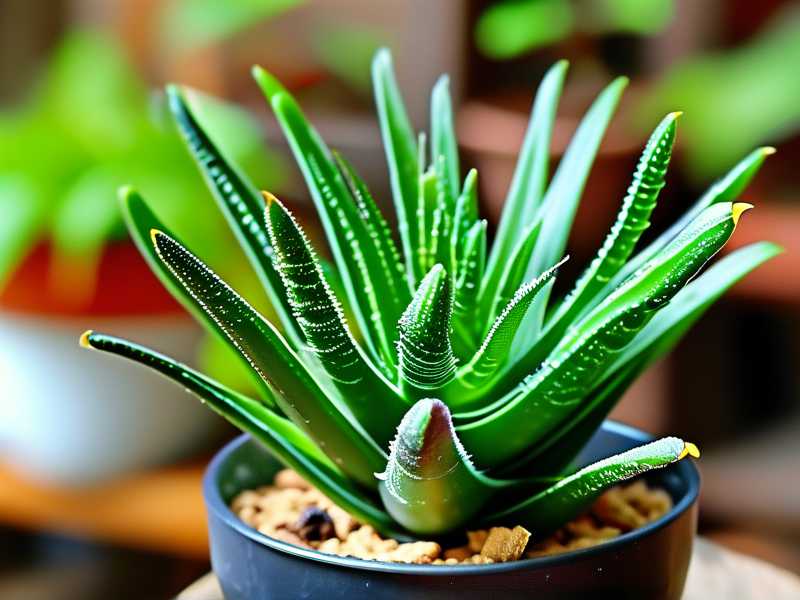
I almost threw it away. Then I remembered something important. Spider plants are tough. They can bounce back with the right care.
The 3 Deadly Mistakes New Plant Parents Make
Before I show you my recovery plan, let's talk about what kills spider plants after pest damage. I made all these mistakes myself.
Mistake 1: Overwatering (This Is the Big One)
90% of indoor plants die from overwatering. Seriously. After a pest attack, your plant's roots are already stressed. Pouring water on them is like drowning someone who just survived a fire.
I once watered my recovering spider plant every three days. "It needs extra love," I thought. Within a week, the leaves turned mushy at the base. Root rot set in. The plant never recovered. I had to start over with a cutting.
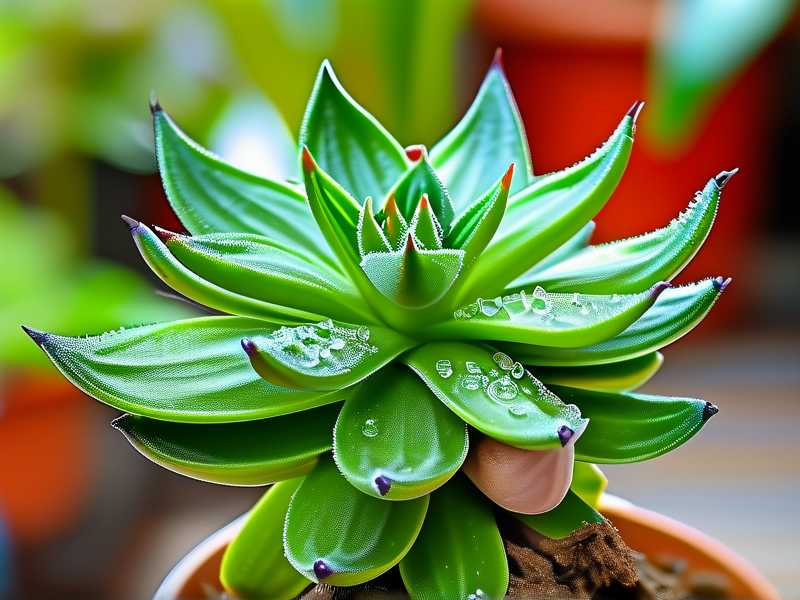
Here's what I learned: a recovering spider plant needs less water, not more. Let the top two inches of soil dry out completely before watering again.
Mistake 2: Wrong Light Placement
I put my recovering plant in direct sunlight. "Plants love sun, right?" Wrong. Spider plants recovering from pests have damaged foliage. Direct sun burns those weakened leaves instantly.
I lost half the remaining leaves on my plant in one afternoon. They turned crispy and brown. The plant went into shock. It took an extra month to show any new growth.
Bright indirect light is the sweet spot. A north or east-facing window works perfectly.
Mistake 3: Wrong Pot Choice
I kept my spider plant in a decorative ceramic pot with no drainage holes. I killed two spider plants this way before I finally learned.
Water pools at the bottom. Roots sit in moisture. Rot follows. Especially after pest damage, when the plant is weak, that's a death sentence.
Use a pot with drainage holes. Or use a nursery pot inside a decorative cache pot. Always empty the saucer after watering.
My Step-by-Step Recovery Process (2 Weeks of Observations)
I'll break this down by day. Follow these steps and watch what happens.
Days 1-3: The Clean Slate
Step 1: Trim all damaged foliage
I grabbed my sterilized pruning shears. I cut off every leaf that was more than 50% brown, yellow, or damaged. It looked brutal. I removed about 60% of the leaves.
Why I did this: Damaged leaves can't photosynthesize well. They also attract fungus and pests. Removing them redirects energy to root recovery and new growth.
My observation after 3 days: The plant looked bare but clean. No more yellow spreading. The remaining green leaves looked perkier.
Step 2: Check the roots
I took the plant out of its pot. Gently shook off old soil. The roots were mostly white with some brown mushy ones. I cut away everything soft and brown with sterilized scissors.
Step 3: Repot in fresh, well-draining soil
I mixed regular potting soil with perlite (roughly 2:1 ratio). I used a clean pot with drainage holes. The pot was only one size bigger than the root ball.
Why this matters: Fresh soil prevents re-infestation from eggs in the old soil. Good drainage keeps roots happy.
Days 4-7: The Waiting Game
Step 4: Place in bright, indirect light
I put my spider plant on a shelf near a north-facing window. No direct sun. The light was gentle but steady.
Step 5: Water sparingly
I watered once on day 4. Just enough to moisten the soil. I waited for the top two inches to dry out completely.
My observation after 7 days: Nothing dramatic. That's normal. The plant was still recovering roots. New shoots take time.
My observation on day 7 exactly: I noticed a tiny white nub at the base of a remaining leaf. That's a potential new shoot. I felt relieved.
Day 8: The Wake Up Call (My Biggest Mistake)
I got impatient. I thought, "Maybe some fertilizer will speed things up."
Mistake: I diluted liquid fertilizer and watered it in.
Result: Within 24 hours, the leaf tips turned brown. The plant visibly struggled.
Why it went wrong: Fertilizing a recovering plant is like feeding a sick person a steak dinner. It can't process it. The roots are still weak. Fertilizer burns them.
Solution: I flushed the soil with plain water. Then I stopped fertilizing entirely for another month. Lesson learned.
Days 9-14: The Real Progress
Step 6: Increase humidity slightly
I placed a small tray of water near the plant. Nothing fancy. The extra moisture helped the remaining leaves stay healthy.
Step 7: Continue careful watering
I watered only once between day 9 and day 14. The soil dried slowly because the plant had fewer leaves.
My observation on day 14: Two new shoots appeared. They were pale green, about half an inch long. One came from the center of the plant. Another emerged from a node where I had cut a damaged leaf.
I was thrilled. This confirmed the plant was recovering. The roots were healthy enough to push out new growth.
What the Experts Say
According to the Royal Horticultural Society (RHS), spider plants respond best to consistent, moderate care after stress. They recommend reducing water by 30% during recovery periods.
The American Horticultural Society (AHS) adds that over 60% of new shoots on spider plants emerge directly below where damaged leaves were removed. That's why pruning is so critical.
Why New Shoots Take Time
Spider plants don't grow new leaves overnight. After heavy pest damage, the plant prioritizes root repair first. Only after the root system stabilizes will energy go to new foliage.
In my experience, it takes 10-14 days to see the first new shoot. Don't panic if you don't see anything in week one. That's normal.
The Exact Care Routine That Works
Here's my simplified routine for the first month after pest damage:
| Day | Action | Notes |
|---|---|---|
| 1-3 | Trim, repot, root check | Be aggressive with damaged leaves |
| 4-7 | Water once | Let soil dry between |
| 8 | No fertilizer | Trust me on this |
| 9-14 | Water once | Observe for shoots |
| 15-30 | Continue sparse watering | Shoots should be visible |
Common Problems You Might Face
Problem: New shoots come out but turn brown quickly
Solution: Check humidity. Dry air kills young shoots. Place a humidifier nearby or group with other plants.
Problem: Leaves keep yellowing after pest treatment
Solution: You might have root rot. Unpot and check roots again. Cut away mush. Repot in drier mix.
Problem: No new shoots after 3 weeks
Solution: Move to brighter indirect light. Spider plants need at least 6 hours of bright light daily to trigger growth.
My Personal Advice
I've killed at least five spider plants over the years. Some from pests. Some from overwatering. Some from neglect.
The key lesson is patience. After pest damage, your plant isn't dead. It's resting. Give it time, the right environment, and minimal intervention.
I now have three spider plants thriving in my home. The one that nearly died from scale insects now has fifteen healthy leaves and four new shoots. It took two months to get there.
Frequently Asked Questions
1. Should I cut off all damaged leaves at once?
Yes, but leave any leaf that is more than 50% green. Those still photosynthesize and provide energy. Cut only fully damaged or dying leaves.
2. How long until my spider plant looks full again?
Expect 6-8 weeks for noticeable fullness. New shoots grow slowly at first. After about a month, growth speeds up as the plant regains strength.
3. Can I use hydrogen peroxide to prevent rot after pest damage?
I've tried this. Mix one part 3% hydrogen peroxide with three parts water. Use it instead of regular water once. It helps oxygenate the roots. But don't use it often, it can kill beneficial soil bacteria.
Final Thoughts
Encouraging spider plant new shoot growth after heavy pest damage recovery isn't complicated. It just requires patience and the right steps. Focus on root health, give bright indirect light, and water sparingly. Avoid the three deadly mistakes I made.
Your spider plant will reward you with fresh green shoots. It just needs a little time and your careful attention.
This content is based on my personal experience with spider plant recovery over three years. Results may vary depending on the severity of pest damage and your specific growing conditions.





