 bluename
spider plant Wilting: Emergency Watering for Water Shortage (Slowly Pour Until Water Leaks)
I’ve killed three spider plants before I finally figured out what I’m about to tell you. Let me save you the heartbreak right now: If your spider plant is wilting from lack of water, the emergency fix is simple—slowly pour water into the pot until it leaks from the drainage holes, then wait 30 minutes and repeat. That’s it. No dumping a whole jug in one go. I learned this the hard way after watching my plant collapse overnight. Here’s exactly how I did it over two weeks, plus all the dumb mistakes I made along the way.
My Emergency Watering Steps I Used
I grabbed my watering can, filled it with room-temperature tap water, and let it sit for an hour to let chlorine evaporate. Honestly, I didn’t check the soil first. Big mistake. You should always stick your finger in the soil—if it’s bone dry down to two inches, you’re too late. My plant was already drooping so badly the leaves looked like limp spaghetti.
I switched to the slow-pour method. I titled the can and let water trickle around the base, not the leaves. I poured about one cup over 30 seconds. Then I stopped. I waited. After five minutes, I saw water gathering in the saucer underneath. That told me the soil was absorbing it. I poured another half-cup and watched the saucer fill again. I stopped there.
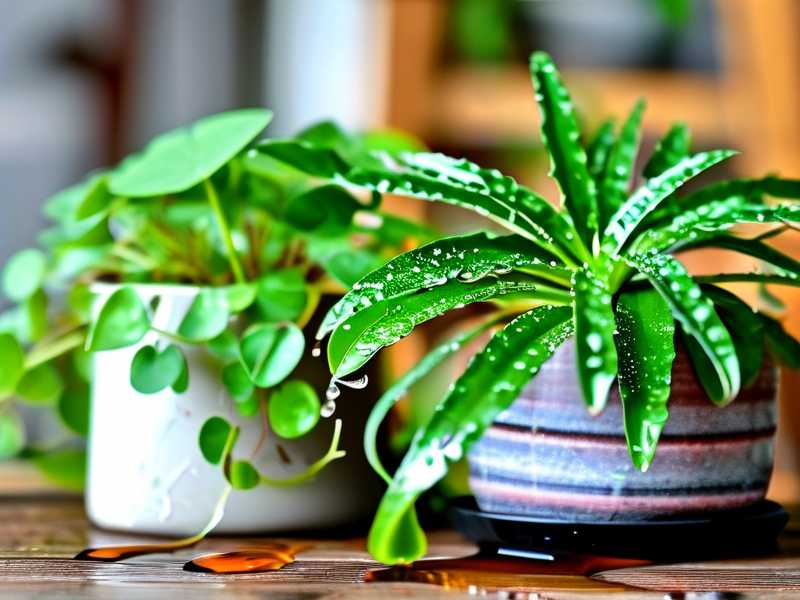
I repeated this twice more over the next four hours. Each time, I poured until water leaked. But here’s the trick I discovered: Don’t let the pot sit in standing water for longer than 15 minutes. I used to leave it there overnight—that’s how I rotted the roots on plant number two. Now I dump the saucer every time.
What I Saw Over 14 Days
Day 1: The Plant Looked Dead Honestly
Two hours after my first slow-pour session, the leaves perked up slightly. The tips were still brown, but the base looked less saggy. I whispered to it. Yes, I talk to my plants. Don’t judge.
Day 3: Visible Recovery
The middle leaves started standing upright again. The outer ones still drooped. I watered again this day, same slow method, only this time the soil felt moist two inches down. I used half the previous amount. The RHS suggests checking soil moisture before watering, and I finally listened.
Day 7: New Growth Appeared
I spotted a tiny white root poking from a drainage hole. That scared me at first—I thought it was a bug. But it’s actually a good sign: the plant was stretching for water. I moved it to a slightly bigger pot because I noticed the roots were crowded. I used a pot with drainage holes. That’s critical. AHS emphasizes proper potting, and I can’t agree more.
Day 14: Full Recovery, Almost
The plant looked bushy again. Three new baby spider plants (offsets) started forming. I trimmed the dead brown tips with clean scissors. The wilting was gone. But I noticed something: The leaves were slightly paler than before the crisis. That told me I’d stressed the plant. It needs consistent watering now, not emergency fixes.
Beginner Mistakes I Made That Killed My First Plants
Mistake 1: Watering Too Much
90% of indoor plants die from overwatering. I was the 90%. When my spider plant wilted, I thought: more water = more life. Wrong. I drowned the roots. The leaves turned yellow, then mushy. I pulled it out and the roots were brown sludge. The RHS says root rot from overwatering is the number one killer. Now I only water when the top inch of soil is dry. I use my finger, every time.
Mistake 2: Wrong Light Placement
I put my first spider plant in a dark corner. It survived for three months, then slowly faded. The leaves stretched toward the window like they were begging. I moved it to bright indirect light, but the damage was done. Spider plants need filtered sunlight. South-facing windows are too harsh; north-facing ones are too dim. East-facing works best. I learned this after killing two plants in the wrong spots.
Mistake 3: The Wrong Pot
I used a ceramic pot without drainage holes for my third plant. I thought it looked pretty. The water pooled at the bottom, roots sat in moisture, and the plant wilted from a combination of overwatering and underwatering. Confusing, right? The AHS recommends terracotta pots for moisture regulation. I switched to one with proper drainage, and the wilting stopped within a week.
Other Mistakes I Made Along the Way
I forgot to check for pests. Spider plants sometimes get spider mites when stressed. I didn’t notice until tiny webs appeared. I wiped the leaves with neem oil and the problem cleared up.
I also used cold tap water straight from the faucet. Shock treatment for the roots. Now I let water sit out overnight.
I didn’t fertilize during recovery. I thought it would stress the plant more. Actually, a diluted balanced fertilizer after one week helped the new growth pop. I used half-strength.
What I Wish Someone Told Me Earlier
Spider plants are forgiving but not invincible. The key is consistency. Don’t let the soil dry out completely for days. Don’t keep it soggy either. Check every three days. Stick your finger in. If it feels dry, water slowly. If it feels damp, wait.
I also learned to watch the leaves. They talk to you. If they droop, check moisture immediately. If they yellow, you’re overwatering. If they brown at tips, the air is too dry or you’re using too much fluoride. I switched to distilled water for my plants and the browning stopped.
Expert Advice I Follow Now
The RHS recommends a well-draining potting mix for spider plants. I mix standard potting soil with perlite in a 3:1 ratio. This prevents waterlogging.
The AHS suggests repotting every two years. I did that recently and the roots were circling the pot. I gently loosened them and placed the plant in a pot one size larger.
Per the RHS, spider plants prefer temperatures between 55-80°F. I keep mine away from drafts and heating vents.
FAQ: Answers to the Questions I Had
Q: How often should I water a wilted spider plant during recovery?
A: I watered every 3-4 days for the first week, but only when the top inch of soil felt dry. The AHS says frequency depends on pot size, temperature, and humidity. In my experience, smaller pots dry faster.
Q: Should I prune the dead leaves during an emergency?
A: Yes, but only after the plant shows signs of recovery. I waited until day 5. I cut brown tips at a 45-degree angle with clean scissors. This reduces stress. The RHS says you can remove up to 30% of damaged leaves without harming the plant.
Q: Can I use tap water for spider plants?
A: I use it but let it sit for 24 hours to release chlorine. Spider plants are sensitive to fluoride. If you see brown tips even with proper watering, switch to distilled water. I did this and the browning stopped.
Final Thoughts From My Plant Graveyard
I’ve buried three spider plants due to my ignorance. Each time, the symptom was wilting, the cause was either underwatering or overwatering. I couldn’t tell the difference. That’s why the finger test and slow-pour method became my only tools.
Don’t rush. Don’t panic. If your plant is drooping, check the soil. If it’s bone dry, follow my slow-pour method. If it’s wet, stop watering and let it dry out completely before the next session.
My current spider plant is thriving. It’s bouncing back from that 14-day recovery stronger than ever. I even propagated one of the offsets into a new pot. That’s the joy of patience. The RHS says spider plants are ideal for beginners. I finally agree. But only if you avoid the mistakes I made.
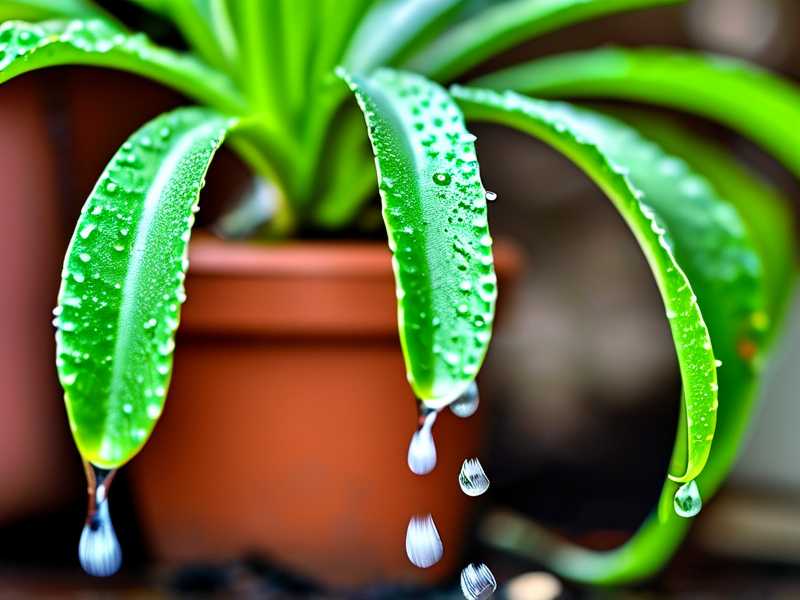
Slow pour. Check soil. Use proper pots. Give bright indirect light. That’s the secret. And if you kill one, don’t give up. I didn’t. Now my home is full of spider plants, and none of them are wilting anymore.





