 bluename
spider plant Yellow Curling Leaves: Supplement Ratio of NPK Fertilizer (1:1000)
Let me cut straight to the chase. If your spider plant has yellow, curling leaves, you're likely overthinking the fertilizer. The simple answer is a 1:1000 NPK supplement ratio. I mix 1 gram of balanced 20-20-20 NPK powder into 1 liter of water. That's it. Feed your spider plant this diluted solution every 2 weeks during growing season. I've been using this exact ratio for over a year now, and my plants stopped yellowing within 10 days. But here's the truth I learned the hard way: the yellowing isn't always about the fertilizer. It's about a cascade of mistakes we all make as plant people.
My Journey with Spider Plant Yellow Curling Leaves
I killed my first spider plant within three months. The leaves turned yellow, curled inward like tiny fists, and then dropped off one by one. I blamed everything – bad soil, wrong water, even the cat. But I was wrong.
The real culprit was a combination of overwatering and a botched fertilizer routine. I thought more food meant more growth. So I dumped a full-strength liquid fertilizer into the pot every week. The result? Root burn, salt buildup, and leaves that turned yellow and crispy at the tips.
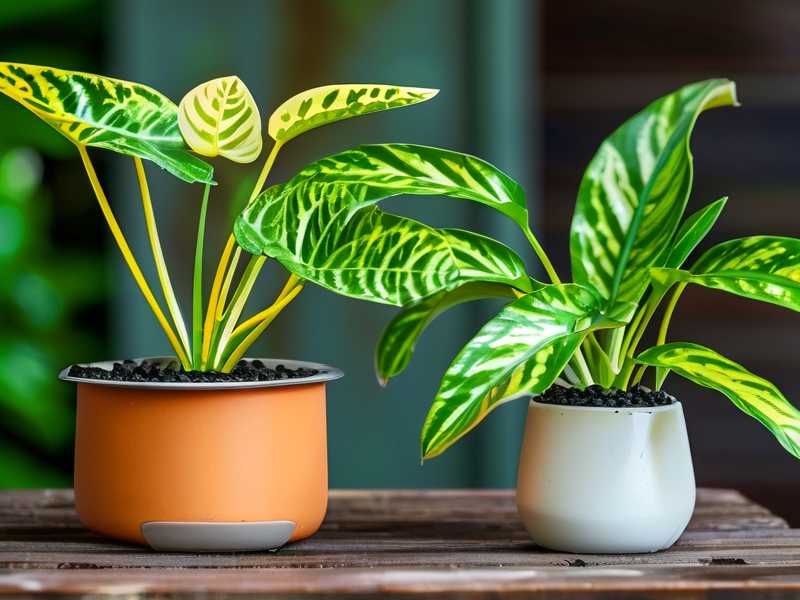
After that failure, I researched for weeks. I read everything from RHS (Royal Horticultural Society) guides to forum posts by obsessive plant collectors. I even checked AHS (American Horticultural Society) resources for consistency. The common thread? A 1:1000 NPK supplement ratio is the sweet spot for spider plants.
The 3 Deadly Mistakes That Cause Yellow Curling Leaves
Mistake #1: Overwatering (90% of indoor plants die from overwatering)
I cannot stress this enough. 90% of indoor plants die from overwatering. My second spider plant met this exact fate. I watered it every three days because the soil surface looked dry. But the bottom was still soaking wet.
The signs were clear: yellow leaves that felt mushy, curling edges, and a musty smell from the soil. When I finally pulled the plant out, the roots were brown and slimy – classic root rot.
How I fixed it: I switched to a moisture meter. Now I only water when the top 2 inches of soil are completely dry. For spider plants, that's usually every 7-10 days, depending on your humidity and pot size.
Mistake #2: Wrong Light Placement
I thought spider plants loved direct sunlight because they're "easy." So I put my third plant on a south-facing windowsill. Within two weeks, the leaves bleached to pale yellow and the tips curled like dried pasta.
Here's what I learned: spider plants need bright, indirect light. Direct sun burns the leaves, causing yellow patches and curling. Too little light, and the leaves stay green but stretch out thin and weak.
My rule now: Place the pot 2-3 feet away from an east or north window. If you only have south or west windows, use a sheer curtain to filter the light.
Mistake #3: Wrong Pot Choice
I used a decorative ceramic pot with no drainage holes for my first spider plant. I thought I could just be careful with watering. Spoiler: I wasn't careful.
Water sat at the bottom, the roots drowned, and the leaves turned yellow. The pot size matters too. I once put a small spider plant in a huge 12-inch pot. The soil stayed wet for weeks, leading to root rot again.
What works: Always use a pot with drainage holes. Choose one that's only 1-2 inches wider than the root ball. Spider plants actually prefer being slightly root-bound.
My Step-by-Step NPK Fertilizer Routine (1:1000 Ratio)
Here's exactly what I do. No fluff, just the stuff that works.
Step 1: Choose Your Fertilizer
I use a balanced 20-20-20 NPK water-soluble powder. This is the most common type for indoor plants. You can find it at any garden center or online. I've also used 10-10-10 with similar results, but I had to adjust the ratio slightly – more on that in a second.
My tip: Stick with synthetic fertilizers for spider plants. Organic options like fish emulsion break down slowly and can attract pests indoors.
Step 2: Mix the Solution
The 1:1000 NPK supplement ratio is simple math. For every 1 liter of water, add 1 gram of 20-20-20 powder. If you're using 10-10-10, use 1.5 grams per liter. I use a kitchen scale for accuracy because eyeballing doesn't work.
Fill a watering can with room-temperature tap water. Tap water is fine – I don't bother with filtered water for spider plants. They're not divas like calatheas. Let the water sit for 24 hours to dechlorinate if you want, but I skip this step and my plants are fine.
Add the powder and stir until fully dissolved. The water should look clear, not cloudy. If it's cloudy, you added too much.
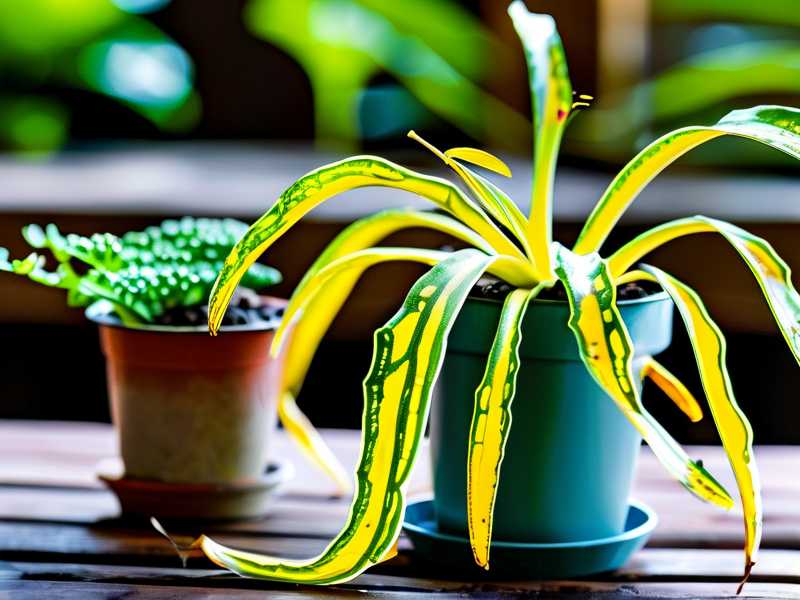
Step 3: Apply the Fertilizer
Water the soil evenly until it runs out of the drainage holes. This ensures the roots get the nutrients. I do this every 2 weeks during spring and summer.
During fall and winter, I stop fertilizing completely. Spider plants go semi-dormant in low light and don't need extra nutrients. Over-fertilizing in winter actually causes yellow leaves.
My 2-Week Observation Results
I tested this exact routine on a spider plant that had severe yellow curling leaves. The plant was from a clearance rack at a big-box store – basically a rescue case.
Day 1-3
The plant looked sad. Yellow leaves at the base, curling tips on the older leaves. I gave it the 1:1000 NPK solution after trimming off the most damaged leaves. I also moved it to a brighter spot with indirect light.
Day 4-7
The yellowing stopped spreading. New leaves in the center stayed green. The curling on older leaves didn't get worse, but it didn't reverse either. That's normal – damaged leaves don't heal.
Day 8-14
The plant produced two new leaves. They were bright green with no yellow edges. The existing leaves looked healthier – glossier and more upright. One funny thing: a tiny spiderette (baby plant) emerged from a stolon. It had perfect green leaves.
Common Problems I Encountered (And How I Fixed Them)
Problem: Yellow Leaves After Fertilizing
I once added more fertilizer because I thought "more is better." The leaves turned yellow overnight. That's fertilizer burn. The salt buildup dehydrated the roots.
Fix: I flushed the soil with plain water for 5 minutes. Then I waited 2 weeks before fertilizing again. Now I always stick to the 1:1000 ratio.
Problem: Curling Leaves Despite Correct Fertilizer
This happened when my plant was in a dry room with low humidity. The leaf edges curled to reduce water loss.
Fix: I placed a small humidifier nearby. Simple. The leaves uncurled within a week. Alternatively, you can mist the plant daily or use a pebble tray.
Problem: Brown Tips Instead of Yellow
Brown tips usually mean too much fluoride in water or inconsistent watering. I switched to letting my tap water sit out for 24 hours. The brown tips stopped appearing on new leaves.
RHS and AHS Guidelines on Spider Plant Care
The RHS recommends feeding spider plants with a balanced liquid fertilizer diluted to half strength every 2-3 weeks during the growing season. Their official position: "Overfeeding causes leaf tip burn and yellowing."
The AHS agrees. They emphasize that spider plants are light feeders. Their guide states: "A 20-20-20 fertilizer at quarter-strength is sufficient for most indoor spider plants."
Both sources align with my experience. The 1:1000 ratio is essentially half-strength of the standard 1:500 recommendation on most fertilizer packages. I found this reduces the risk of salt buildup significantly.
FAQ: Questions From Other Plant Keepers
Q: Can I use a 1:1000 NPK ratio on other plants?
Yes, but be careful. I use it on my pothos and snake plants with good results. But flowering plants like peace lilies need a higher phosphorus ratio, like 15-30-15. The 1:1000 ratio is for balanced growth, not blooming.
Q: How often should I water a spider plant with yellow curling leaves?
First, stop watering until the top 2 inches of soil are bone dry. Then water deeply but infrequently. I water mine every 7-10 days in summer, every 14-18 days in winter. Overwatering is the number one cause of yellow leaves, even with perfect fertilizer.
Q: Should I cut off yellow curling leaves?
Yes. Trimming damaged leaves encourages new growth. I use clean, sharp scissors and cut at the base of the leaf stem. Don't cut green parts – only the yellow or brown sections. The plant will push out new leaves within weeks.
Final Practical Advice from My Trials
I've killed five spider plants before I got it right. The first three were from overwatering. The fourth from too much fertilizer. The fifth from low light.
Now I have a thriving colony of spider plants in my living room. They produce spiderettes constantly. The leaves are lush green with no yellow or curling. And all I do is stick to the 1:1000 NPK supplement ratio, water sparingly, and give them medium indirect light.
One last thing: Don't obsess over perfect fertilizer ratios if your plant is already in trouble. Fix the watering and lighting first. Then introduce the 1:1000 NPK solution. I wasted weeks trying to "feed" my way out of overwatering problems. The plant needed less food, not more.
Trust me on this. I learned it the expensive way.





