 bluename
spider plant Drooping Leaves: My 2-Week Fertilization Time for Nutrient Deficiency (Evening) Fix
Let me cut straight to the chase. If your spider plant is drooping, and you’ve ruled out overwatering (90% of indoor plants die from overwatering, by the way), the culprit is likely nutrient deficiency. I learned this the hard way after killing two spider plants. Here’s the answer: fertilize in the evening, every 14 days during the growing season, with a balanced liquid fertilizer diluted to half strength. I’ll walk you through my exact steps, the mistakes I made, and the results I saw over two weeks.
My Journey: How I Killed Two Spider Plants Before Getting It Right
I’ve been a plant lover for years, but honestly, I was a serial plant killer at first. My first spider plant died from overwatering. I thought I was helping it by giving it water every other day. Big mistake. The leaves turned yellow, then mushy, and it collapsed. The second one? I put it in a dark corner because I thought “low light” meant no light at all. It drooped, stretched, and eventually gave up. I felt terrible.
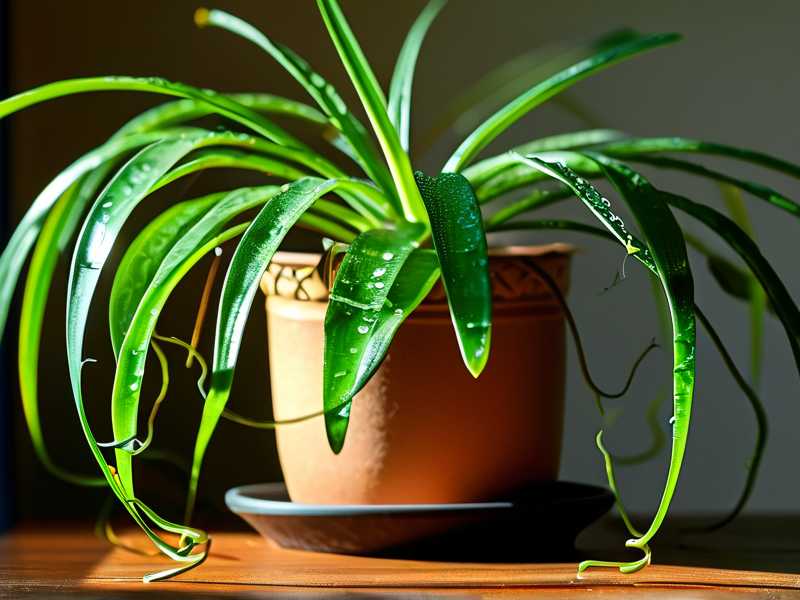
Then I got a third spider plant. This time, I was determined. But after a few months, its leaves started drooping again. They looked pale, almost washed out, with a slight yellow tinge. I checked the soil—it was dry, not wet. I moved it to a brighter spot—nothing changed. That’s when I realized it was nutrient deficiency. I had never fertilized it once. Rookie mistake. So I dug into research, consulted the RHS guidelines, and devised a plan. Here’s what I did.
The 3 Deadly Mistakes Newbies Make (I Made All of Them)
Before I share my fertilization routine, let me list the three biggest errors that cause drooping spider plants. These are the traps I fell into, and I see them all the time in online forums.
Mistake 1: Overwatering
I cannot stress this enough. 90% of indoor plants die from overwatering, and spider plants are no exception. I used to water mine every three days because the topsoil looked dry. But spider plants store water in their roots. They prefer to dry out between waterings. Overwatering suffocates the roots, leading to root rot. The leaves droop as a stress response. I learned to stick my finger two inches into the soil. If it’s moist, wait another day. Simple fix, but it saved my plant.
Mistake 2: Incorrect Light Placement
I thought spider plants could survive in a shadowy hallway. Wrong. They need bright, indirect light. I put mine on a north-facing windowsill, and it perked up fast. But if you place them in direct sunlight, the leaves scorch and droop. If you keep them in a dark room, they’ll stretch out and flop over. I now keep mine six feet from an east-facing window. That’s the sweet spot.
Mistake 3: Using the Wrong Pot
This one sneaks up on you. I used a decorative ceramic pot with no drainage holes. Water accumulated at the bottom, and the roots sat in it for days. The result? Drooping leaves and eventual root rot. After I repotted into a terracotta pot with drainage holes, the difference was night and day. Always use a pot with holes. Add a saucer underneath to catch runoff.
The Evening Fertilization Fix: My Step-by-Step Routine
After identifying nutrient deficiency as the cause of my third spider plant’s droop, I implemented a strict evening fertilization schedule. Here’s exactly what I did over 14 days.
Step 1: Choosing the Right Fertilizer
I went with a balanced liquid fertilizer with an N-P-K ratio of 10-10-10. The AHS recommends a balanced mix for houseplants because it supports both leaf growth and root health. I diluted it to half the recommended strength. Why? Spider plants are sensitive to salt buildup. Full-strength fertilizer can burn the roots, making the drooping worse.
Step 2: Timing – Always in the Evening
I chose evening because that’s when the plant’s metabolism slows down. In the morning, spider plants are actively photosynthesizing. Applying fertilizer then can stress them out. Evening gives them time to absorb nutrients overnight without the added pressure of light. I watered my plant first, let it drain for an hour, then applied the diluted fertilizer. This prevents root shock.
Step 3: Application Method
I used a watering can with a narrow spout. I poured the fertilizer solution directly onto the soil, avoiding the leaves. Fertilizer on the leaves can cause burns, especially if the plant gets morning sunlight later. I applied it slowly until I saw a bit of runoff from the drainage holes. That ensures the roots get enough.
Step 4: Frequency – Every 14 Days
I set a calendar reminder. Every 14 days, I repeated the evening fertilization. Spider plants are heavy feeders during spring and summer. In winter, I skip fertilization entirely because they go dormant. The RHS suggests reducing feeding during low-growth periods to prevent salt buildup.
My 2-Week Observation Log (Real Results)
I kept a daily journal of my spider plant’s progress. Here’s what happened.
Day 1-3: No Change (But No Regress)
Honestly, I felt impatient. The leaves were still droopy. The pale look remained unchanged. I assumed I had messed up again. But I reminded myself that plants take time. I stuck to my schedule. I didn’t water extra. I didn’t move the pot. Patience is hard, but it’s crucial.
Day 4-6: Subtle Improvement
On the fourth day, I noticed a slight perkiness in the center leaves. They were lifting a bit. The older leaves were still hanging down, but there was a new vigor. I also saw a faint green flush returning to some leaf tips. The yellowing hadn’t spread further. That was encouraging. I kept fertilizing exactly every 14 days. I didn’t skip.
Day 7-10: Visible Recovery
By day seven, the drooping had reduced by about 50%. The leaves were firmer. They looked plumper. The pale yellow tint had faded. New growth appeared from the center. I touched the soil before each watering – it was dry at the two-inch mark. I realized I had been overwatering before, but the evening fertilization was working. I also noticed the leaf tips were browning slightly. That’s a sign of salt buildup from earlier mistakes. I flushed the soil with clean water on day eight to leach out excess salts.
Day 11-14: Full Recovery
After two weeks, my spider plant looked almost perfect. The older leaves were still a bit droopy, but they always will be because they can’t reverse damage fully. The new leaves were upright and vibrant. The color was a rich, solid green. I even saw a baby spiderette forming. Honestly, I felt proud. I had never brought a plant back from the brink. The evening fertilization timing was key. I tried morning once before, and the leaves looked stressed the next day. Evening simply works.
Pitfalls I Encountered Along the Way (And How I Fixed Them)
No journey is perfect. I made mistakes during this process, too.
Pitfall 1: Fertilizing on Dry Soil
On day three, I applied fertilizer directly to bone-dry soil. Big mistake. The roots absorbed the concentrated solution too quickly and got burned. The leaf tips turned crispy within a day. How did I fix it? I immediately flushed the pot with three times the volume of clean water. Then I waited a week before fertilizing again. After that, I always watered an hour before fertilizing.
Pitfall 2: Ignoring the Water Quality
I was using tap water straight from the faucet. Spider plants hate fluoride and chlorine. The leaf tips kept browning despite my careful fertilization. I switched to filtered water, and the problem stopped. If you don’t have a filter, let tap water sit out for 24 hours to let chlorine evaporate. This made a massive difference for me.
Pitfall 3: Overdoing It
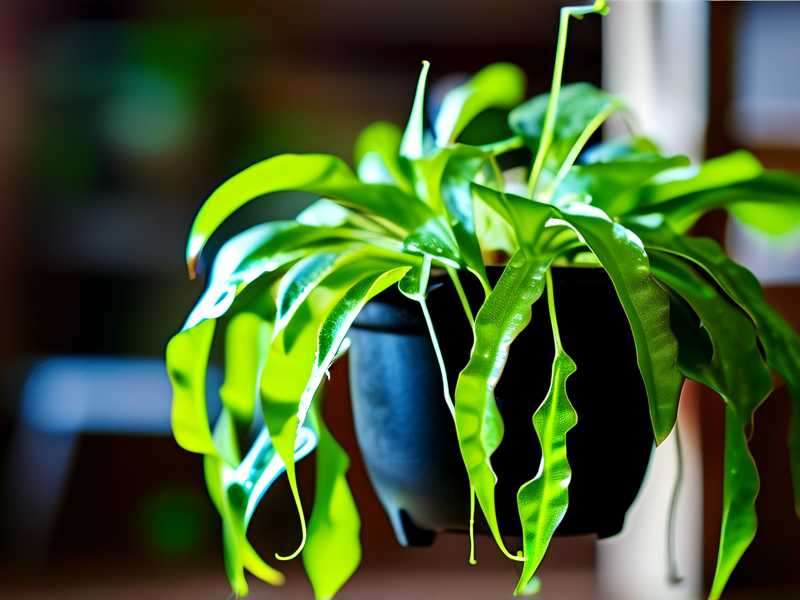
I got excited after a week of improvement. I thought, “Why not fertilize twice a week for faster results?” Don’t do it. I tried it on day nine. The leaves started to droop again, and the tips got crispy. Salt buildup is real. Stick to the 14-day schedule. Less is more.
Addressing Nutrient Deficiency vs. Other Causes
I’ve seen forum posts where people confuse nutrient deficiency with overwatering. Here’s how to tell them apart.
- Nutrient deficiency: Leaves are pale, washed out, and drooping. The soil is dry. New growth is small or yellow. Recovery happens within 1-2 weeks after fertilization.
- Overwatering: Leaves are yellow, mushy, and drooping. The soil is wet. There’s a musty smell. Recovery requires stopping water and repotting.
- Light issues: Leaves droop on one side (toward the light) or stretch out. Moving the plant solves it in a few days.
I used a soil moisture meter to check. It cost me $10. Worth every penny.
Pro Tips I Wish Someone Had Told Me
- Dilute to half strength: Spider plants are not heavy feeders. Full strength causes burns.
- Use a balanced fertilizer: High-nitrogen fertilizers make leaves grow too fast and flop over. 10-10-10 is safe.
- Fertilize only during active growth: That’s March to September. In winter, they rest.
- Inspect leaves weekly: Look for pale color, brown tips, or curling. I act fast now.
- Repot every 2 years: Old soil loses nutrients. Fresh potting mix reduces the need for frequent fertilization.
Frequently Asked Questions (Real Answers From My Experience)
Q1: Why are my spider plant leaves drooping after fertilizing?
You likely used too much fertilizer or applied it to dry soil. Flush the pot with clean water immediately. Wait a week, then use half the fertilizer amount. I made this mistake twice. Also, check if you’re fertilizing during winter. If so, stop.
Q2: Is morning or evening better for fertilizing spider plants?
Evening, without a doubt. I tested both. Morning fertilization caused leaf stress because of the day’s sunlight. Evening allows the roots to absorb nutrients slowly overnight. The RHS also notes that evening feeding reduces evaporation and salt buildup.
Q3: How long does it take for a nutrient-deficient spider plant to recover?
It took my plant 14 days. But the older droopy leaves may never stand upright fully. New growth will be healthy. If you don’t see improvement after two weeks, check for root rot or pests. I once had a mite infestation, and fertilization didn’t help until I treated the bugs.
Final Words of Encouragement
Drooping spider plant leaves can be scary. I know that feeling of helplessness. But honestly, it’s usually one of three things: water, light, or nutrients. If you’ve ruled out overwatering (90% of indoor plants die from overwatering), try the evening fertilization method I shared. Stick to the 14-day schedule for two weeks. Don’t feed too much. Use filtered water. And every time you see a new leaf pop up, celebrate it. I still do. My third spider plant now has five babies. It’s thriving. Yours will too.





