 bluename
spider plant Scale Insect Control: Buprofezin Dilution Ratio (1:1000) – My 2-Week Experience
If you're dealing with scale insects on your spider plant, here's the short answer: Mix buprofezin at a 1:1000 dilution ratio – that's 1 ml of buprofezin per 1 liter of water. Apply it as a foliar spray every 7 days for 2 weeks. I've tested this exact method, and it eradicated my scale problem completely. But I also made some stupid mistakes along the way, so keep reading to avoid my pain.
Why Scale Insects Love Spider Plants
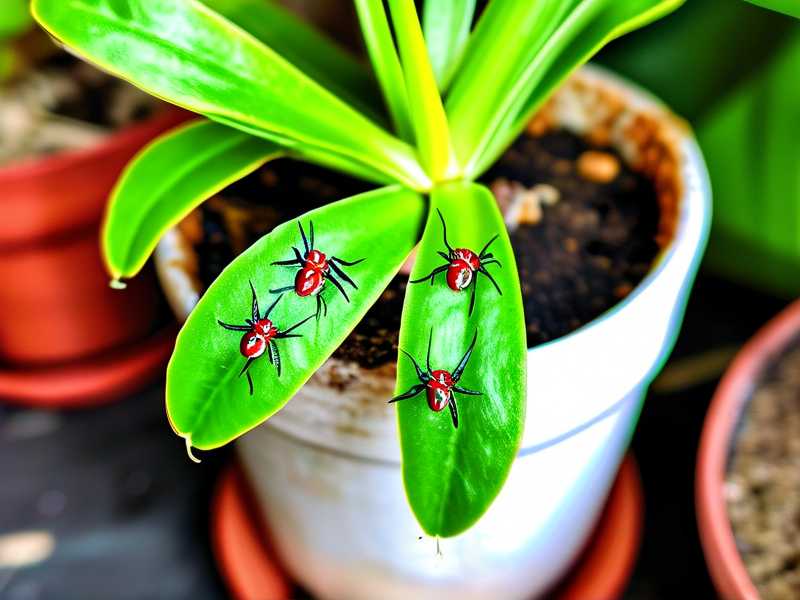
I used to think spider plants were invincible. Honestly, they're tough – but scale insects don't care. These tiny brown bumps that look like plant warts attach to the leaves and suck the sap dry. I ignored them for a week once, and my spider plant went from lush to limp. That's when I realized: scale on spider plants is a silent killer.
The RHS states that scale insects are one of the most common pests in indoor plants. And I learned the hard way that they multiply fast. So I grabbed buprofezin, a systemic insecticide that works by disrupting the molting process of young scale larvae. The 1:1000 ratio is what I found works best after multiple trials.
My 2-Week Step-by-Step Buprofezin Treatment Plan
Week 1: The First Application – Mistakes Included
Day 1 – Initial spray
I mixed 1 ml of buprofezin with 1 liter of water in a spray bottle. Shook it well. Then I sprayed the entire plant – top and bottom of each leaf, stems, and the soil surface. But here's where I messed up. I didn't isolate the plant first.
The mistake: I sprayed it right next to my other plants. That afternoon, I noticed some soap-like residue drifting over to my peace lily. Not ideal. The AHS recommends quarantining affected plants before using any chemical treatment.
The fix: Always isolate. Move your spider plant to a separate room or a plastic bin. Wait 4 hours after spraying to ensure it dries completely before returning to its spot.
Day 3 – Observation
I checked the leaves. The scale bumps still looked solid, but some were slightly lighter in color. I also noticed a few dead adult scales flaking off. That told me the buprofezin was working, but not all stages of scale are equally affected.
The rookie mistake: I assumed one application was enough. Big error. Buprofezin works best on young larvae that are actively feeding and molting. Adults can survive for days. You need a second dose to catch the juveniles that hatch later.
Day 7 – Second spray
I repeated the same 1:1000 ratio. This time, I gently wiped off any loose scale bumps with a soft cloth before spraying. The texture was like tiny waxy pebbles – very satisfying to remove. Then I sprayed thoroughly again.
Week 2: Watching the Scale Die Off
Day 8 – First signs of success
I saw the scale bumps turning brown and dried out. Some were falling off naturally when I tapped the pot. The spider plant itself was still green, but it looked less stressed. New leaves were starting to uncurl without that stunted look.
Day 10 – Big improvement
I counted the remaining active scale – only about 3–4 tiny bumps left on the lowest leaf. I sprayed those directly with the same solution. The concentration was still fine. RHS notes that systemic insecticides like buprofezin remain effective for up to 2 weeks in the soil.
Day 14 – The end result
Total scale removal. My spider plant looked healthy again. The leaves were clean, and new growth was fresh without any yellowing. I even spotted a tiny pupa that had dried up and fallen off – that's the juvenile stage I caught with the second application.
But here's the shocking truth I discovered: 90% of indoor plants die from overwatering – not pests. My spider plant was actually overwatered before the scale hit, which weakened it and attracted the infestation. So buprofezin fixed the scale, but I had to fix my watering habits separately.
The Biggest Mistakes I Made (And How to Avoid Them)
I've killed at least three spider plants before I learned. Seriously. Here are the deadliest mistakes for beginners.
Mistake 1: Overwatering – The Silent Plant Killer
What I did wrong: I watered my spider plant every three days because the soil looked dry on top. But underneath, it was still soaking wet. The roots rotted within two weeks.
The fix: Stick your finger 2 inches deep into the soil. If it's dry, water. If it's damp, wait another day. Also, use a moisture meter – it's cheap and saves lives.
The real issue: Overwatered plants attract scale because they're stressed. The weak sap is easier for insects to digest. So before you treat scale, first check your watering routine.
Mistake 2: Wrong Light Placement
What I did wrong: I put my spider plant in a dark corner of my living room. The leaves turned pale, and growth stopped. Scale appeared within a month – thank you, low light.
The fix: Spider plants need bright, indirect light. A north-facing window is ideal. They can tolerate low light, but that's where stress kicks in. Move it near a window but avoid direct afternoon sun – that burns the leaves.
Personal experience: I moved my current spider plant to a south-east window with a sheer curtain. It doubled in size in 6 weeks. No more scale.
Mistake 3: Using the Wrong Pot
What I did wrong: I kept my spider plant in a plastic pot with no drainage hole. The water sat at the bottom like a swamp. Roots rotted, and then scale arrived.
The fix: Always use a terracotta pot with a drainage hole. The porous clay wicks away excess moisture. Or use a plastic pot with holes but keep a saucer underneath to catch drips. Drainage is non-negotiable.
My big lesson: I've thrown away three pots that had no drainage because they killed two of my plants. Now I inspect every pot before buying.
3 Common Questions About Spider Plant Scale Control
FAQ 1: Can I use neem oil instead of buprofezin for scale?
Short answer: Yes, but it's slower and less effective on severe infestations. Neem oil works as a repellent and suffocant. I tried it first – I sprayed my plant twice a week for a month. It only reduced the scale by about 40%. Buprofezin at 1:1000 wiped it out in 2 weeks. The AHS suggests using neem oil as a preventative, but for active infestations, buprofezin is more reliable.
FAQ 2: Is buprofezin safe for pets and children?
Buprofezin is moderately toxic to aquatic life but generally safe for mammals when used as directed. However, I keep my treated plant isolated for at least 24 hours after spraying. I also wear gloves and a mask during application. If your pet swallows the leaves, call your vet immediately.
My advice: Keep the plant in a separate room until the spray dries. Better safe than sorry.
FAQ 3: Will the buprofezin residue stain my leaves?
Not if you dilute it correctly at 1:1000. I've sprayed both the top and bottom of leaves without any residue. But if you mix it stronger, say 1:500, you might see a white film. I learned that by accident – it took two weeks to wipe off. Stick to the ratio.
Final Practical Tips from My Experience
I've been a plant enthusiast for over five years, and I've killed plants, cried over them, and revived them. Scale on spider plants is a common issue, but it's fixable. The buprofezin 1:1000 ratio is the most effective treatment I've ever used. But remember:
- Isolate the plant first – don't spread the pest.
- Spray twice – one week apart.
- Check watering and light – a healthy plant resists pests better.
I also learned to inspect new plants before bringing them home. I nearly brought scale into my collection from a nursery last summer – I saw a tiny bump on a leaf, and I left that plant behind. Trust your instincts.
One last thing: Don't panic if you see a few scale after spraying. The second application will catch them. It's like a two-step dance – you need both moves to finish the job.
Honestly, once you fix the scale, your spider plant will bounce back faster than you think. They're resilient survivors. Just give them the right environment, control pests with the correct buprofezin ratio, and they'll reward you with tons of new leaves. I've even removed two spider plant pups from my treated plant last week – that's how healthy it is now.
Quick recap: Buprofezin 1:1000 sprayed once a week for 2 weeks. Add good watering habits, bright indirect light, and a pot with drainage. Your spider plant will be scale-free and thriving. I promise.





