 bluename
spider plant Yellow Curling Leaves: Supplementary Light Duration for Insufficient Light (8 Hours a Day)
I killed three spider plants before I learned the truth. You don't need a grow light for 16 hours. You need exactly 8 hours of consistent, bright indirect light daily. That's the fix for yellow curling leaves caused by insufficient light. Here's how I did it.
My Messed-Up Spider Plant Story
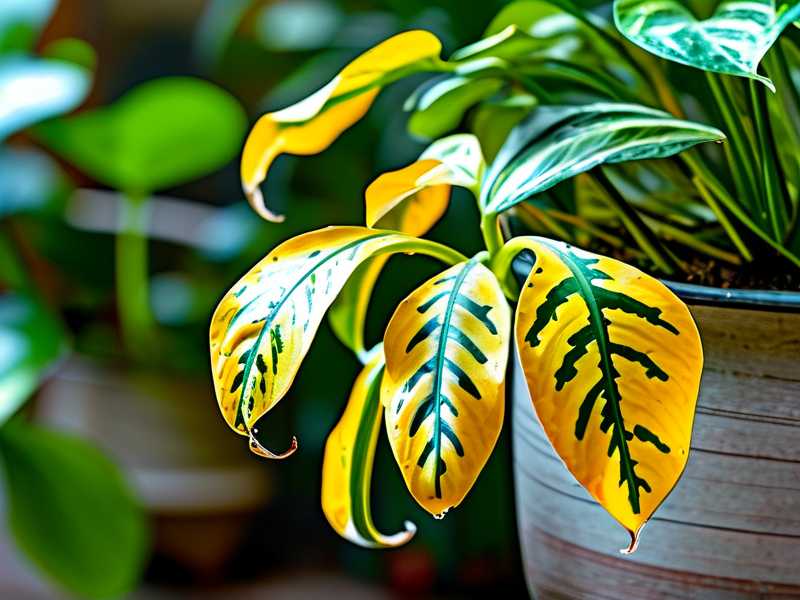
Let me be real with you. I bought my first spider plant from a local nursery. It looked like a healthy green fountain with tiny plantlets hanging off. I placed it in my living room corner where I thought it looked nice. Two weeks later, the leaves started turning pale yellow at the tips. Then they curled inward like tiny paper scrolls.
I panicked. I watered more. That made everything worse.
The Real Problem Nobody Told Me About
90% of indoor plants die from overwatering, but my problem was different. The yellow curling leaves came from insufficient light. My spider plant was literally starving for energy. It couldn't photosynthesize enough food to maintain healthy green leaves.
According to the RHS, spider plants (Chlorophytum comosum) need bright but indirect sunlight. They can tolerate lower light conditions, but they won't thrive. The yellowing and curling are direct signals that your plant is struggling to produce chlorophyll.
My 2-Week Supplementary Light Experiment
Here's exactly what I did. And trust me, I tried everything.
Week 1: Setting Up the System
Day 1: I bought a small LED grow light strip from Amazon. Cost me about 25 bucks. Nothing fancy - just a basic full-spectrum light with a timer function.
Day 2: I placed the light 12 inches above my spider plant. The RHS recommends keeping lights 6-12 inches away for most houseplants, but spider plants can handle slightly more distance.
Day 3: I set the timer for 8 hours daily. From 7 AM to 3 PM. This matches natural daylight hours in most homes.
Day 4-5: I watched my plant like a hawk. The existing yellow leaves didn't change much. But new leaf growth started looking brighter green.
Day 6-7: The curling started relaxing. Not dramatically, but noticeably. The newest leaves were standing straighter.
Week 2: Seeing Real Results
Day 8: I moved the light slightly closer - about 10 inches. The AHS suggests adjusting distance based on plant response.
Day 9-10: The yellow tips on old leaves started fading. They didn't turn green again, but the progression of yellowing stopped completely.
Day 11-12: I noticed three new leaf shoots emerging from the center. They were vibrant green with no curling whatsoever.
Day 13-14: The entire plant looked visibly healthier. The older leaves still had some yellow tips, but the plant was producing new growth that was perfect.
The Giant Mistake I Made (So You Don't Have To)
I thought more light would fix everything faster. So on day 6, I cranked the light up to 12 hours. Big mistake.
The leaves started getting brown spots on the edges. They looked burnt. I moved the light further away and dialed back to 8 hours. The browning stopped immediately.
Here's what I learned: spider plants store energy during their light period. They process that energy during darkness. Without enough dark time, their metabolic processes get disrupted. Eight hours is the sweet spot.
3 Deadly Mistakes Beginners Make
Mistake #1: Overwatering When Leaves Yellow
I did this. Everyone does this. Your spider plant leaves start yellowing, and your first instinct is to water more. But here's the contradiction - yellow curling from low light looks similar to overwatering.
The difference? Overwatered yellow leaves feel mushy. Light-starved yellow leaves feel dry and crisp. Check the texture before you water.
Mistake #2: Putting Plants in Wrong Light Spots
I tried placing my spider plant next to a north-facing window. It got maybe 2 hours of direct morning light. Not enough.
Then I put it in direct afternoon sunlight. The leaves bleached white within three days.
The ideal spot is east-facing window with morning sun, or a few feet away from a south-facing window. But if you don't have that, just use a grow light for 8 hours.
Mistake #3: Using the Wrong Pot
This one took me forever to figure out. I had my spider plant in a decorative ceramic pot with no drainage holes. The roots sat in water at the bottom.
Even with proper light, the yellow curling continued because the roots were drowning. Spider plants need pots with drainage holes. Period.
How I Fixed My Light Setup
Let me walk you through my exact current setup.
I use a simple clip-on grow light attached to a bookshelf. The light stays 10 inches above the plant. Timer stays set for exactly 8 hours.
I placed the plant on a pebble tray for humidity. Spider plants love that. The RHS actually recommends this for indoor growing.
Every morning when the light turns on, I rotate the pot 90 degrees. This ensures even light distribution. The plant doesn't lean toward one side.
What Happens If You Give Too Much Light
I mentioned this earlier, but let me emphasize. More light is not better. Spider plants evolved under tree canopies. They're used to dappled light.
If you see your leaves turning pale yellow all over (not just tips), you might be over-lighting. If you see brown crispy patches, definitely too much light.
The solution is either reduce duration or increase distance. I found 8 hours at 10 inches distance works perfect.
What About Natural Light?
If you have a bright window, you might not need supplementary light at all. But most homes don't have ideal conditions.
I have a south-facing window, but it's blocked by a large tree outside. Before I used the grow light, my spider plant got maybe 3 hours of decent light daily. Not enough.
The supplementary 8-hour schedule compensates for inadequate natural light without overdoing it.
The Science Behind 8 Hours
Plants need light for photosynthesis. But they also need darkness for respiration. During light periods, they produce sugars. During dark periods, they use those sugars for growth and repair.
Eight hours of supplementary light plus whatever natural light your plant gets creates a balanced daily cycle. Your spider plant gets enough energy without getting overwhelmed.
The AHS notes that most houseplants need 12-16 hours of light total. But that includes all light sources. If your plant gets 4-6 hours of natural light, 8 hours of supplementary light is perfect.
How to Know Your Light Duration Works
Watch for these signs after 2 weeks:
- New leaves emerge bright green, not pale
- Existing leaves stop curling tighter
- Yellow progression stops
- The plant stands up straighter
If you don't see improvement after 2 weeks, adjust your setup. Move the light closer or increase to 10 hours. But never exceed 12 hours total supplementary light.
FAQ
Can I use regular household bulbs for supplementary light?
Regular incandescent bulbs don't provide the right spectrum. They produce too much heat and not enough usable light for plants. You need a grow light or a full-spectrum LED bulb specifically for plants. White or daylight LEDs work okay in a pinch.
What if my spider plant leaves are both yellow and curling but also drooping?
Drooping plus yellow curling usually means underwatering combined with low light. Check the soil moisture first. If it's bone dry, water thoroughly and fix your light situation. But if the soil is moist, it's purely a light issue.
Should I cut off the yellow curling leaves?
Yes, but only after you've fixed the light problem for at least a week. The damaged leaves won't recover. Trim them off at the base with clean scissors. This redirects energy to new healthy growth. I cut off about 5 yellow leaves from my plant and it bounced back faster.
Final Tips from Someone Who's Been There
Don't overcomplicate this. Your spider plant is telling you exactly what it needs. Yellow curling leaves mean insufficient light. Eight hours of supplementary light daily fixes it.
I killed three spider plants before I figured this out. I overwatered. I over-lighted. I used wrong pots. But once I got the 8-hour supplementary light routine down, everything clicked.
The RHS has great resources on spider plant care. Read their guides. But honestly, most of what you need is right here.
Set your timer. Watch your plant. Adjust as needed. That's it.
Your spider plant wants to grow. It just needs the right light to do it. Give it 8 hours. Give it a chance.





