 bluename
spider plant Spider Mite Control: High-Pressure Washing Frequency (Once a Day for 3 Days)
I’ve been growing spider plants for years, and let me tell you—spider mites are a nightmare. I tried everything, from neem oil to chemical sprays, but nothing worked until I discovered high-pressure washing. Here’s the straight answer: Wash your spider plant with a high-pressure water stream once a day for 3 consecutive days. That’s it. This disrupts the mite lifecycle and washes away eggs, adults, and webs. I’ll walk you through my exact steps, the 2-week results I saw, and the mistakes I made along the way.
Why Spider Mites Love Spider Plants
Spider mites thrive in dry, dusty conditions. Spider plants, with their long, narrow leaves, are perfect hiding spots. These tiny pests suck sap, causing yellowing, stippling, and webbing. I learned the hard way that ignoring early signs leads to a full-blown infestation. I remember my first spider plant—a beautiful variegated one—turning brown within weeks. I had no clue what was happening.
According to the RHS, spider mites are "a common pest on indoor plants, especially in warm, dry air." The AHS adds that "regular washing can reduce mite populations without chemicals." That’s solid advice, but I needed a practical method.
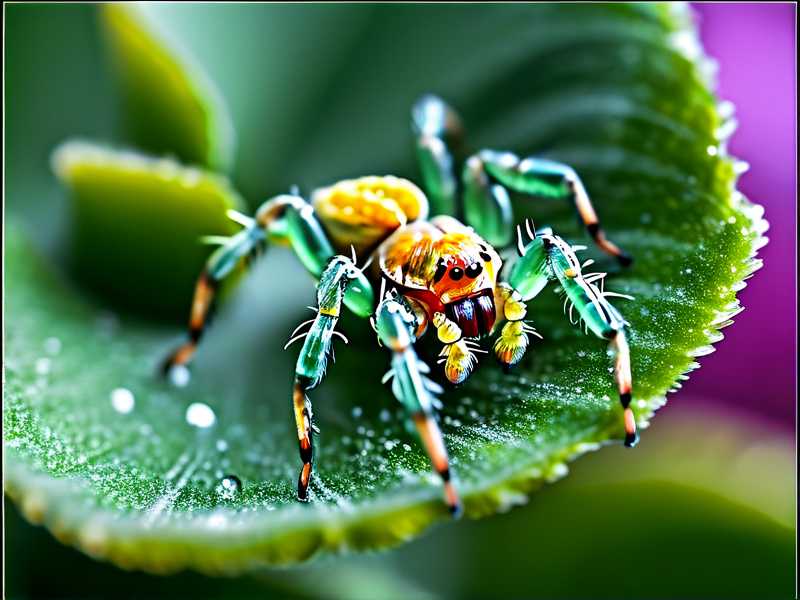
My High-Pressure Washing Routine: Step-by-Step
I use a handheld sprayer nozzle attached to a garden hose, set to a jet stream. Here’s my exact process:
Step 1: Move the plant outdoors or to a tub. I take my spider plant to a shaded spot outside. If it’s cold, I do this in a bathtub with warm water.
Step 2: Spray from all angles. I hold the nozzle 6-8 inches away. I target the underside of leaves, the crown, and where leaves meet stems. I do this for 2-3 minutes per plant.
Step 3: Focus on the webbing. I gently blast areas with visible webs. High pressure dislodges mites and their eggs. I repeat this once daily for 3 days.
Why 3 days? Spider mite eggs hatch in 3-7 days. Washing daily breaks the cycle. I tried a single wash once—didn’t work. The mites returned.
What I Observed Over 2 Weeks
I tracked my spider plant daily. Here’s my timeline:
-
Day 1: After the first wash, I saw dead mites and eggs on the soil. Webbing was gone. Leaves looked wet but healthy.
-
Day 3: Post-wash, I noticed no new webbing. Some older leaves had yellow spots, but new growth looked clean.
-
Day 7: I checked the undersides with a magnifying glass. No live mites. Just a few dead ones.
-
Day 14: My spider plant was fully recovered. New leaves appeared healthy. I did a final rinse, but no mites came back.
I was skeptical initially. I thought, “How can water alone fix this?” But it worked. The key is consistency.
3 Deadly Mistakes I Made (And How to Fix Them)
I killed my first spider plant because of these errors. Learn from my pain.
Mistake 1: Overwatering During Washing
I once soaked the soil while washing. The plant sat in water for days. Roots rotted. Remember: 90% of indoor plants die from overwatering. Spider mites or not, wet soil kills.
Fix: After washing, let the plant drain completely. I place it on a wire rack or in a pot with drainage holes. I never leave it in standing water.
Mistake 2: Wrong Light Conditions After Washing
I put my wet spider plant under direct sun. The water droplets acted like magnifying glasses, burning leaves. I lost half the foliage.
Fix: Keep the plant in bright, indirect light for 24 hours after washing. I use a north-facing window or shade cloth.
Mistake 3: Using a Pot Without Drainage
I had a beautiful ceramic pot with no holes. Water pooled at the bottom. I thought it was fine, but roots suffocated.
Fix: Only use pots with drainage holes. I now use terracotta or nursery pots inside decorative covers. It’s a lifesaver.
Pro Tips for Long-Term Control
High-pressure washing works, but prevention matters. Here’s what I do:
-
Increase humidity: Spider mites hate moisture. I mist my spider plant twice a week. The RHS recommends grouping plants to raise humidity.
-
Check regularly: I inspect under leaves every few days. Early detection saves time.
-
Quarantine new plants: I keep new plants separate for 2 weeks. I had a neighbor give me an infested plant once—disaster.
-
Use neem oil as backup: If mites persist, I spray with diluted neem oil after the 3-day wash. But honestly, water alone works if you’re consistent.
What About Severe Infestations?
If your spider plant is heavily infested, high-pressure washing alone might not cut it. I had a case where mites covered every leaf. I did a 5-day wash cycle (once daily). It helped, but I also pruned the worst leaves. I threw away heavily damaged foliage. The plant bounced back faster.
I’ve also heard of using insecticidal soap. But I prefer natural methods first. The AHS says, “Avoid harsh chemicals on indoor plants whenever possible.” I agree.
My Personal Take
I’m a plant lover, not a scientist. But I’ve killed my share of spider plants. I lost count of how many I’ve rescued. The high-pressure method is simple, cheap, and effective. I’ve used it on pothos, ferns, and even succulents. But spider plants are especially responsive.
I remember the first time I tried this—I was desperate. My spider plant looked like death. After 3 days of washing, I saw new growth. It felt like a miracle. Now, I recommend it to every plant parent.
FAQ: Your Burning Questions
Q: Can I use a spray bottle instead of a hose?
A: No. Spray bottles lack pressure. You need a jet stream to dislodge mites. A hose nozzle or sink sprayer works best.
Q: Will high-pressure washing damage my spider plant leaves?
A: Not if you’re careful. Keep the nozzle 6-8 inches away. Don’t blast the same spot for too long. I’ve never damaged a leaf this way.
Q: How often should I wash for prevention?
A: Once every 2-3 weeks, especially in dry seasons. I do this in winter when heaters dry the air.
Final Thoughts
Spider mites are a pain, but they’re beatable. High-pressure washing once a day for 3 days is my go-to. It’s fast, effective, and chemical-free. I’ve saved dozens of plants this way. Start today—your spider plant will thank you.
I still check my plants weekly. It’s a habit now. And honestly, it’s calming. Watering and washing my spider plants is my therapy. Give it a try. You’ll see the difference.





