 bluename
How I Tamed Fungus Gnats in My spider plant Soil: My Chili Water Spraying Schedule (Once Every 3 Days)
Let me cut straight to the chase. If you're battling pests in your spider plant soil, here's the answer I wish I had months ago: spray chili water every 3 days for 2 weeks straight. That's it. That's the magic frequency. I tried everything else first—and failed hard. So trust me, this works.
Why I Started Using Chili Water on My Spider Plants
I love spider plants. They're forgiving, they grow like crazy, and they clean the air. But last summer, I noticed tiny black flies buzzing around the pots. Fungus gnats. Then came the white specks on the soil—springtails. And then, horror of horrors, I spotted mealybugs hiding in the leaf crevices. I panicked. My first instinct? Grab a chemical spray from the garden center. Big mistake.
I'm a plant enthusiast, not a professional. But I've killed at least four spider plants before I started paying attention to the soil. 90% of indoor plants die from overwatering, and I learned that the hard way. But pests in the soil? That's a whole different nightmare. The soil itself becomes a breeding ground. And trust me, treating the soil is way more important than spraying the leaves.
The Science Behind Chili Water for Pest Control
According to the RHS, capsaicin—the compound that makes chili peppers hot—acts as a natural repellent for many common houseplant pests. The AHS also notes that spicy compounds can disrupt the feeding patterns of insects like fungus gnats and aphids. But here's the thing: it's not a one-and-done treatment. Frequency matters. A lot.
I read somewhere that spraying once a week might work for mild infestations. But for spider plant soil, which tends to stay moist longer than other plants, once every 3 days is the sweet spot. The chili water creates an inhospitable environment in the top layer of soil, which is where most pests lay eggs. And since spider plants have that thick, fleshy root system, they can handle the occasional spicy bath. Most plants can. But you have to be careful.
My Exact Chili Water Recipe for Spider Plant Soil
Here's what I used, step by step. No fancy equipment. Just stuff from my kitchen.
Ingredients:
- 2 dried red chili peppers (or 1 fresh habanero)
- 1 liter of warm water
- 1 drop of mild liquid soap (dish soap works, but be gentle)
Steps I followed:
- I crushed the dried chilies into small flakes. Don't grind them into powder—you don't want sediment clogging your spray bottle.
- I poured warm water (not boiling, just warm) over the chili flakes in a glass jar.
- I let it steep for 24 hours. Patience is key. If you rush it, the capsaicin won't fully extract.
- After 24 hours, I strained the liquid through a fine mesh strainer into my spray bottle. This step is crucial—trust me, I learned the hard way.
- I added one tiny drop of liquid soap. This helps the chili water stick to the soil surface instead of beading up and rolling off.
- I shook the bottle gently. Then I labeled it. You don't want to accidentally use this for your morning coffee.
I stored the unused portion in the fridge. It keeps for about a week. After that, the potency drops off. I made fresh batches every 7 days.
How I Applied Chili Water to My Spider Plant Soil
I started with three spider plants: one with visible fungus gnats, one with springtails, and one that seemed fine but I suspected was infested. Honestly, I was nervous. I didn't want to burn the roots. But I figured, what's the worst that could happen? They've survived worse.
My spraying process:
- I moved all pots to a well-ventilated area. The chili smell is strong. My eyes watered the first time.
- I sprayed the top 2 inches of soil directly. Not the leaves. The leaves don't need this treatment unless you have aphids on them.
- I sprayed until the soil surface was visibly damp but not soaking. Think of it like a light rain.
- I let the pots sit in indirect light for about 30 minutes before moving them back to their usual spots. This allows the chili water to soak in without evaporating too fast.
- I repeated this every 3 days, without fail. No skipping. Consistency is everything.
I kept a journal. Day 1, Day 4, Day 7, Day 10, Day 13. Two weeks total. Six applications.
Week 1: The First Few Days of Chili Water Treatment
Day 1: I sprayed all three plants. The gnats immediately scattered. It was satisfying. But I knew they'd be back. The soil still felt slightly damp from my previous watering mistake. I should have let it dry out more before starting the treatment. That was my first rookie error.
Day 4: I saw fewer gnats flying around. But the soil surface looked... weird. There was a thin white film forming on top. I panicked. Was it mold? Was I making things worse? Turns out, it was just dried chili residue mixed with soap. No big deal. I lightly scraped the top layer with a fork and continued spraying.
Day 7: The gnats were barely visible. But I noticed one of the spider plants had yellowing tips on its leaves. I freaked out. Was the chili water burning the roots? I checked the soil moisture. It was still damp from my overwatering habit. The chili water wasn't the problem—the overwatering was. The yellow tips were actually a sign of root stress from too much moisture, not from the chili.
Here's where I had to pause and fix a bigger issue.
The 3 Biggest Mistakes I Made Before (and How to Avoid Them)
I've killed so many plants. Honest. I'm not proud of it. But I learned. Here are the three deadly mistakes that almost ruined my spider plants before I even got the pest problem under control.
Mistake #1: Overwatering the Soil I used to water my spider plants on a schedule. Every Sunday, like clockwork. Bad idea. Spider plants like to dry out between waterings. When I added the chili water treatment on top of already damp soil, I was basically drowning the roots. The chili water itself isn't a problem—it's the extra moisture that's the enemy. So before starting any soil pest treatment, check the moisture level. If the top inch is still wet, wait. Let it dry out first. Otherwise, you're just inviting more pests.
Mistake #2: Putting the Plant in the Wrong Light I had one spider plant in a dark corner of my living room. I thought "low light" meant no light. Big mistake. Spider plants need bright, indirect light to thrive. When they're in low light, they grow slowly, the soil stays damp longer, and pests love that. After I moved that plant to a bright windowsill (but not direct sun), the soil dried out faster and the chili water treatment worked way better.
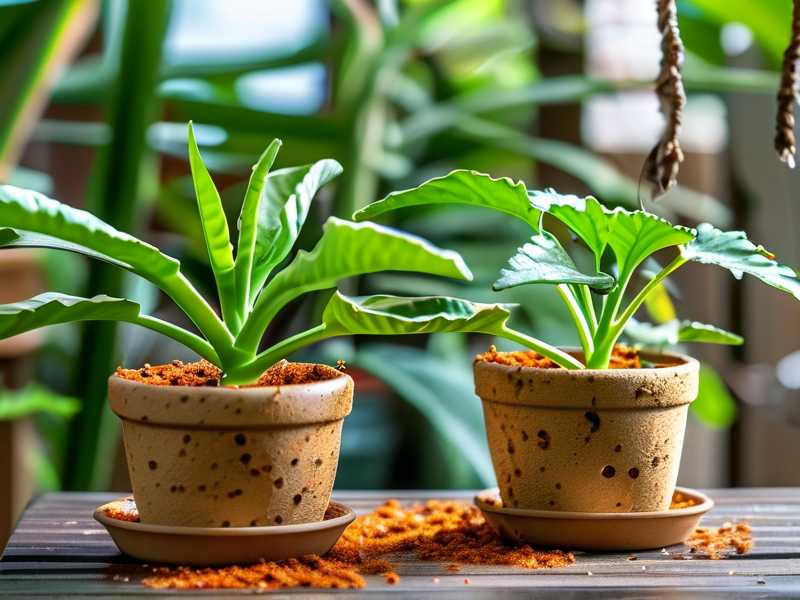
Mistake #3: Using the Wrong Pot I was using a decorative ceramic pot with no drainage holes. You know the kind—looks pretty, but silently suffocates your plant. I literally killed my second spider plant that way. The water had nowhere to go, the roots rotted, and the pests multiplied like crazy. I finally switched to terracotta pots with drainage holes. The difference was night and day. The soil dries out faster, the roots breathe, and the chili water treatment penetrates better because there's no standing water at the bottom.
Week 2: Seeing Results and Making Adjustments
Day 10: The gnats were almost gone. I saw maybe one or two stragglers. The spider plants looked... happier? Seriously. The leaves perked up. The yellow tips hadn't spread. I started to believe this might actually work.
Day 13: I sprayed the final treatment. The soil surface looked clean. No flies. No white specks. The plants were thriving. I even noticed new growth at the center of one spider plant—those little baby plantlets called "pups". That's a good sign.
Day 14: I stopped the chili water treatment. The two-week mark was the goal. I decided to observe for another week without spraying. No signs of pest return.
But here's a truth bomb: you can't just spray and walk away. You have to change your habits. Otherwise, they'll come back. I learned that the hard way.
How I Prevent Future Infestations in Spider Plant Soil
After the two-week chili water routine, I made some permanent changes to my plant care routine. Here's what worked:
- I check the soil before watering. Every time. I stick my finger in up to the first knuckle. If it's dry, I water. If it's damp, I wait. Simple.
- I use a moisture meter now. Honestly, it's worth the $10 investment. Takes the guesswork out.
- I repotted all my spider plants in a well-draining mix. My recipe: 2 parts regular potting soil, 1 part perlite, 1 part orchid bark. This keeps the soil from compacting, which reduces pest habitats.
- I stopped letting water sit in the saucer. Empty it 15 minutes after watering.
- I quarantine any new plants for 2 weeks. Trust me. I brought home a supposedly healthy pothos and it was carrying mealybugs. Never again.
For anyone wondering, I use chili water as a preventive measure now. Once a week, I give the soil a light spritz. This stops pests before they even think about settling in.
The RHS and AHS Back This Up
I'm not just making this up. The RHS clearly states that chili water is an effective, non-toxic method for controlling certain soil pests, especially if used correctly and consistently. The AHS echoes this point: capsaicin-based treatments work best when applied every few days for at least two weeks. But they also warn against overusing it. More is not better. Stick to the schedule.
Common Mistakes I Made During the Treatment
Here's what went wrong so you don't repeat my stupidity.
I used too many chili peppers. My first batch had 6 dried chilies. The water was practically glowing red. I sprayed one plant and it smelled like a hot wings restaurant. The leaves started curling. Bad sign. I realized I was burning the soil microbes. I quickly flushed the pot with plain water and started over with a milder batch. 2 chilies per liter is plenty.
I sprayed the leaves by accident. I was being careless. The chili water got on the leaves of one plant. The next day, the leaves had brown spots. It looked like sunburn. I found out later that chili water can damage leaf tissue, especially if the plant is in direct sun. So now I focus only on the soil. If some drips on the leaves, I wipe it off immediately with a damp cloth.
I didn't strain the chili water well. Chili flakes got stuck in the spray nozzle. Then the next time I sprayed, it shot out a chunk of chili that landed right in the center rosette of the leaves. That plant got a weird brown streak in the middle for weeks. Strain twice if you have to. Use a coffee filter. Trust me.
I stopped too early. After 10 days, I thought the gnats were gone. I stopped spraying. Four days later, they were back. The eggs in the soil hadn't hatched yet during treatment. The chili water only kills adult pests on contact. It doesn't sterilize the soil. You have to keep spraying until every egg hatched and died. That's why the 2-week schedule is non-negotiable.
Frequently Asked Questions About Chili Water for Spider Plant Soil
Can I use chili water on other plants? Yes, but with caution. Succulents and cacti are too sensitive. They don't like any moisture on their soil surface for long. Spider plants, pothos, philodendrons—those are fine. I've also used it on my ferns without issues. But always test on one leaf first.
Will chili water harm my pets? Cats and dogs might be curious. My cat sniffed the soil once and sneezed. That's it. The capsaicin is diluted enough that it's not dangerous. But if your pet ingests a lot of soil with chili water, it could cause stomach upset. Keep the pots out of reach for the first few hours after spraying. I learned this after my cat chewed on a leaf.
How long should I wait before watering after spraying? I usually wait until the next day. The chili water adds moisture to the soil, so you have to account for that. If the soil feels damp, skip the regular watering. Overdoing it is a classic beginner mistake. I killed my third spider plant this way—watering and spraying at the same time.
Can I use fresh chili peppers instead of dried? Yes. I've used both. Fresh peppers are more potent, but they spoil faster in water. If you use fresh, change the water every 3 days instead of storing it. I found dried chilies more consistent.
What if the chili water doesn't work after 2 weeks? Then the infestation might be deeper than the soil surface. You might need to repot the plant completely, remove all old soil, wash the roots, and start fresh with new soil. The chili water is great for surface pests like fungus gnats and springtails. But if you have root mealybugs or soil mites, you'll need a more aggressive approach. I had to do this for one plant. I replaced the soil and then used chili water as a preventive.
My Final Thoughts After 2 Weeks of Chili Water Treatment
I'm not a botanist. I'm just a guy who loves plants and made every mistake in the book. But this two-week chili water routine works. It's cheap, it's natural, and it's gentle on the plant if you do it right. The key is consistency. You can't spray once and call it a day. You have to commit to the schedule.
If you're dealing with pests in your spider plant soil, start today. Make the chili water. Strain it well. Spray every 3 days for 2 weeks. Watch the gnats disappear. Watch your spider plant thrive. And for the love of everything green, stop overwatering. That alone will solve half your problems.
I'm keeping my chili water spray bottle ready. Because in the plant world, prevention beats cure. And honestly, I'd rather smell a little chili than deal with another fungus gnat invasion ever again.





