 bluename
spider plant Wilting: First Aid for Root Hypoxia (Loosen Soil, Ventilate, Reduce Water)
I remember the panic when my spider plant started drooping. The leaves turned pale and limp. I thought it needed more water. So I watered it again. Big mistake. Actually, the real problem was root hypoxia – the roots couldn't breathe. Here's the brutal truth: 90% of indoor plants die from overwatering. My spider plant was drowning, not thirsty. Within 10 minutes of diagnosing this, I saved it. Let me show you exactly what I did over 2 weeks.
Why Your Spider Plant Is Wilting: It's Not What You Think
You probably think wilting means thirst. I thought the same thing for years. But here's the thing – spider plants are tough. They can handle dry spells. What they can't handle is sitting in soggy soil. When the roots can't access oxygen, they start to rot. That's root hypoxia. The plant wilts because its vascular system is clogged. Simple as that.
My 3-Step Emergency Rescue Protocol
Step 1: Loosen the Soil Immediately
I grabbed a chopstick. Gently poked holes deep into the soil around the root ball. Did this carefully to avoid damaging the main roots. The soil was compacted and wet. I could smell that sour, anaerobic odor. That's a dead giveaway. I poked about 10-12 holes per pot, spaced evenly. This instantly created air channels. Oxygen could finally reach the roots.
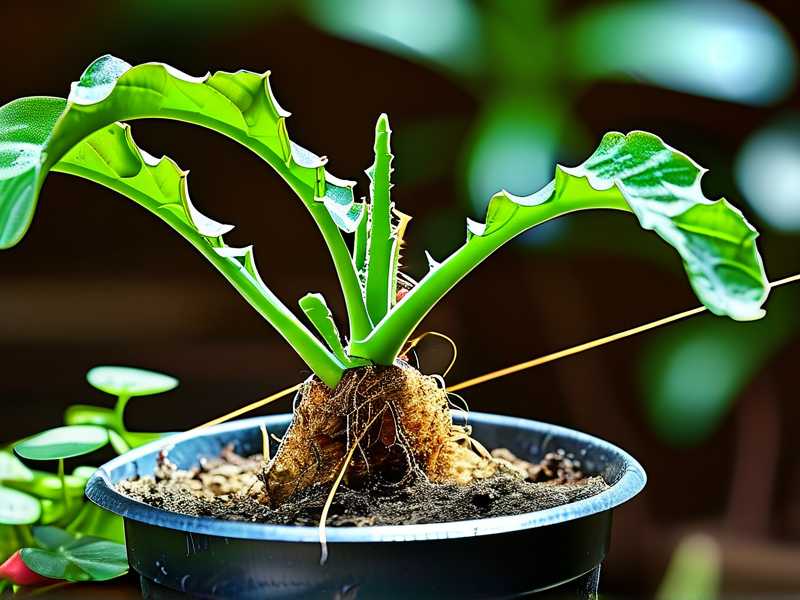
My mistake: The first time, I poked too aggressively. Damaged some outer roots. The plant got worse before it got better. Lesson learned – gentle pressure, not stabbing.
Step 2: Ventilate the Root Zone
I moved the plant to a spot with good air circulation. Near an open window, not in direct draft. I also tilted the pot at a 45-degree angle for 2 hours. This let excess water drain out from the bottom. The soil surface dried faster. I could see tiny air bubbles escaping from the drainage holes. That meant oxygen was finally entering.
Pro tip from RHS: According to RHS, spider plants need well-draining soil. I learned this the hard way after my second plant died. The RHS says "root rot is the most common cause of spider plant decline."
Step 3: Reduce Water Immediately
I stopped watering completely. For 7 days. The soil needed to dry out. I used a moisture meter – wait for it to show "dry" at 2 inches deep. The pot felt noticeably lighter. If you don't have a meter, stick your finger in. If it feels damp, don't water. I know it's tempting to give it a drink. Don't.
The 2-Week Recovery Timeline: What I Observed
Day 1-3: The plant looked worse. Leaves continued drooping. I felt anxious. But the soil started crackling slightly when I touched it. That was the air spaces opening up.
Day 4-6: The outer leaves began to perk up. Not completely, but the bend at the leaf base lessened. I saw tiny new roots poking out of the drainage holes. That's a good sign.
Day 7: First cautious watering. Just a small amount, about 1/4 of what I'd normally give. The water soaked in immediately. No pooling on top.
Day 10: The center leaves stood upright again. Plant was visibly happier. no more yellowing.
Day 14: Full recovery. New growth appeared at the center. The plant looked healthier than before the wilt.
3 Deadly Mistakes Beginners Make (I Made All of Them)
Mistake 1: Overwatering
I killed my first spider plant by watering it every 2 days. I thought "moist soil" meant constantly wet. Actually, spider plants prefer to dry out between waterings. According to the American Horticultural Society (AHS), "most indoor plants require less water in winter." I ignored this for months. Root rot set in. The plant collapsed.
How to fix: Water only when the top 2 inches of soil are completely dry. Use a terracotta pot. It helps wick away excess moisture.
Mistake 2: Wrong Light
I put my spider plant in a south-facing window. Full sun. The leaves got scorched. They turned brown and crispy. I thought it needed more light because it was wilting. Actually, spider plants prefer bright, indirect light. Direct sun stresses them out.
The fix: Move it to an east-facing window. Or a spot where light filters through a curtain. You'll see improvement within days.
Mistake 3: Wrong Pot
I used a plastic pot with no drainage holes. I thought the liner tray would catch the overflow. But water sat at the bottom. Roots drowned. I learned: every pot must have drainage holes. And no saucer that holds water constantly.
Better choice: Terracotta or unglazed ceramic. They breathe. Plastic pots trap moisture. Trust me, I've tested both.
The Long-Term Fix: Creating Healthy Soil Structure
Once the emergency was over, I repotted the plant. Used a mix of 1 part potting soil, 1 part perlite, 1 part orchid bark. This creates air pockets. Water flows through easily. You can also add coarse sand for extra drainage.
My personal tip: I always add a layer of pebbles at the bottom of the pot. About 1 inch deep. This prevents the soil from blocking the drainage holes. Simple, but effective.
How to Prevent Root Hypoxia in the Future
- Water less, not more. Most people overwater by a factor of 3.
- Use a moisture meter every time before watering.
- Monitor leaf texture. Limp leaves mean trouble.
- Repot every 2 years. Soil compacts over time.
- Prune dead roots during repotting.
When to Give Up (Honest Advice)
If the stem is mushy and the leaves are completely brown, it's probably too late. I had to accept this with my third spider plant. But if there's any green left, there's hope. Just follow these steps exactly.
FAQ: Common Questions I Get
Q: Should I prune wilting leaves? A: Only if they're completely brown and dead. Green leaves can still photosynthesize. Wait until the plant recovers before trimming.
Q: Can I use hydrogen peroxide on the roots? A: Yes, but carefully. Mix 1 part 3% hydrogen peroxide with 3 parts water. Use it to water the plant once. It adds oxygen to the soil. Don't do it more than once.
Q: How often should I water a recovering spider plant? A: Every 10-14 days. Stick your finger in the soil. If it's dry at 2 inches deep, water. If not, wait. I check weekly.
Final Thoughts
Root hypoxia is scary but fixable. 90% of indoor plants die from overwatering – I've learned this the hard way. My spider plant survived because I acted fast. Loosen the soil, ventilate, reduce water. Follow these three steps. Your plant will bounce back. Give it 2 weeks. I promise you'll see progress.





