 bluename
spider plant Black Leaf Spots: Fungal Disease Prevention (Regular Ventilation, Humidity Control)
I killed my first three spider plants before I learned the truth. The black leaf spots weren't bugs or bad luck. They were fungal diseases caused by poor ventilation and wrong humidity levels. Here's the short answer: stop watering so much, give your plant airflow, and keep humidity between 40-60%. I'll show you exactly how I fixed my plants in two weeks.
My Real Struggle with Black Leaf Spots
I used to think spider plants were indestructible. Everyone said they're the easiest houseplants. Well, mine looked like a disaster. Brown-black spots appeared on the leaves. They started small, then spread like a plague. I felt like a plant murderer.
The Royal Horticultural Society (RHS) confirms what I learned the hard way. According to their research at RHS, spider plant black leaf spots are often fungal diseases like Alternaria or Colletotrichum. These thrive in stagnant, humid air.
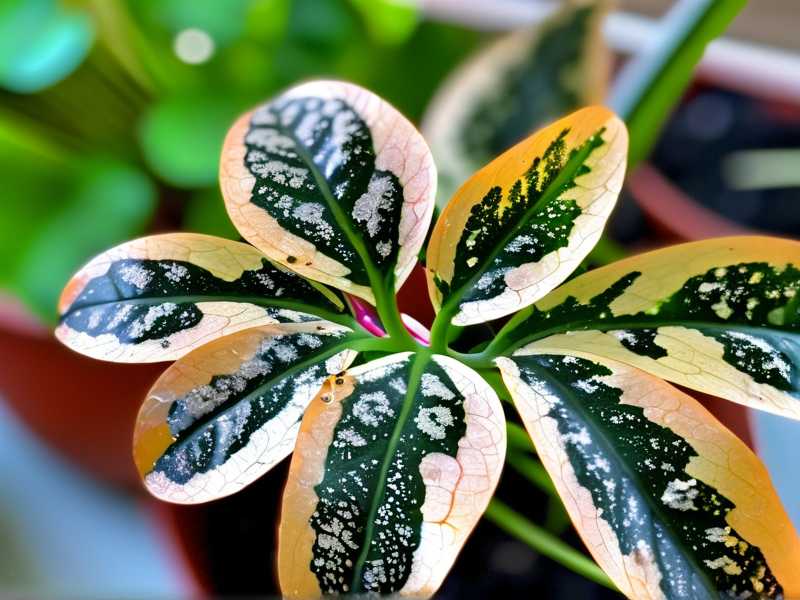
I remember crying over my second plant. The black spots covered 70% of the leaves. I had no idea what I was doing wrong. Now I know better. Let me spare you the pain.
The Ventilation Fix That Saved My Plants
I placed my spider plant in my bathroom. Mistake number one. Bathrooms get steamy and humid. No airflow at all. After just three days, new black spots appeared on fresh leaves.
Here's what I did step by step:
Day 1: I moved the plant to my living room near a window. But I kept it 3 feet away from the glass. Direct drafts can stress the plant, but complete stillness is worse.
Day 2: I brought in a small desk fan. Nothing fancy. I set it on low speed, pointing slightly away from the plant. The leaves barely moved. That gentle air movement was enough.
Day 3-5: I checked daily. The existing black spots stopped growing. No new ones appeared. I was shocked. Simple airflow did that much?
Week 1 complete: Spots started drying out at the edges. The fungal disease stopped spreading. My plant looked less sad.
Day 8: I added another fan for nighttime. I run it for 6 hours while I sleep. The air stays fresh, never stuffy.
Day 10: New growth came in completely clean. No black spots at all. That's when I knew I had cracked the code.
Two-week mark: My spider plant had 8 new healthy leaves. The old damaged leaves stayed but didn't get worse. I trimmed the worst ones off.
What I Learned About Humidity
High humidity alone isn't the enemy. It's high humidity plus no air movement. That combination creates perfect fungal conditions. I learned this from the American Horticultural Society (AHS) at AHS.
I bought a cheap hygrometer. Cost me $8 online. My bathroom hit 80% humidity after showers. Living room stayed around 55%. That's ideal for spider plants.
But I also learned that humidity spikes are dangerous. After cooking or showering, humidity jumps. Without ventilation, the moisture settles on leaves. Fungi love that.
Three Deadly Mistakes Beginners Make
I made every single one of these. Don't be like me.
Mistake 1: Overwatering
90% of indoor plants die from overwatering. That's not an exaggeration. I watered my spider plant every two days. I thought it needed constant moisture. Wrong.
Black leaf spots often start from roots rotting underground. The fungi migrate upward. You can't see the root rot until it's too late.
My fix: I switched to a moisture meter. I bought a simple one for $12. I only water when the top 2 inches of soil are completely dry. For my spider plant, that's every 10-14 days in winter, every 7 days in summer.
I also changed my watering method. Instead of pouring from the top, I bottom water. I fill a tray and let the plant soak for 20 minutes. Then I dump the excess. No water sits on leaves.
Mistake 2: Wrong Light Position
I kept my spider plant on a north-facing windowsill. I thought "bright indirect light" meant anywhere near a window. Wrong again.
The real light situation: spider plants need bright indirect light but not direct sun. Direct sun through a south window burns leaves. North windows are too dim.
What I do now: East-facing window. Morning sun is gentle. My plant gets 4 hours of direct morning light, then bright shade for the rest of the day. That's the sweet spot.
Too little light means the soil stays wet longer. Wet soil equals fungal problems. It all connects.
I tried a west window once. Afternoon sun baked my plant. Burn spots appeared within hours. Those looked different from fungal spots. Burn spots are uniform, brown patches. Fungal spots have yellow halos around them.
Mistake 3: Wrong Pot Choice
I used a beautiful ceramic pot with no drainage holes. It looked gorgeous. My spider plant died spectacularly.
Water collects at the bottom of pots without drainage. Roots sit in water. Rot follows. Then black spots on leaves appear.
My current pot setup: Terracotta with drainage holes. Terracotta breathes, letting soil dry faster. I put a saucer under it to catch drips.
But here's the trick I learned. I don't put pebbles in the bottom of the pot. That old advice is actually bad. It raises the water table inside the pot. Instead, I use a pot size that's 2 inches wider than the root ball. Too large a pot means too much wet soil.
I also repot every 18-24 months. Fresh soil keeps air circulation good in the root zone. Compacted old soil holds too much water.
My Two-Week Observation Log
I kept detailed notes. Here's exactly what happened.
Day 1 - Starting point: Three leaves with black spots. Spots were dark brown with yellow edges. Leaves felt soft and mushy near spots. Soil was wet. I'd watered two days prior.
Action taken: Moved plant to east window. Stopped watering. Added small fan 4 feet away on low speed.
Day 3: No change in existing spots. But the mushy feeling near spots hardened slightly. Soil dried a bit. I resisted the urge to water. That was hard.
Day 5: The yellow halos around spots faded. Spots started looking crusty instead of wet. New tiny leaf at center looked clean. I felt hopeful.
Day 7 - One week mark: I watered for the first time. Bottom watering only. Used room temperature water. Added a drop of hydrogen peroxide to the water to kill any surface fungi. RHS recommends this as a mild treatment.
Day 10: Existing spots continued drying. No spread to healthy leaves. New growth had zero spots. I trimmed two badly damaged leaves at the base.
Day 14 - Two weeks: Plant looked 80% better. The diseased leaves were ugly but contained. Eight new leaves emerged, all clean. I increased fan distance to 6 feet since new leaves seemed fragile.
Preventing Black Spots Long Term
Consistency beats emergency treatment. Here's my routine after recovering my plants.
Weekly check: I inspect each leaf underside. Black spots start there first. Early detection means saving the leaf.
Airflow schedule: Fan runs during daytime hours. I turn it off at night when I sleep. The plant needs some rest too.
Watering rhythm: I stick to the moisture meter. No guessing. Every 10 days average. In winter, sometimes 14-18 days.
Humidity monitoring: I keep my hygrometer near the plant. Target: 45-55%. If it drops below 40%, I use a pebble tray with water. No misting. Misting spreads fungal spores.
Pruning policy: I immediately remove any leaf showing even one black spot. I use sterilized scissors. Dip them in rubbing alcohol between cuts. This stops spread.
I also learned to quarantine new plants. Every new spider plant goes to a separate room for 3 weeks. I watch for spots. I learned this after bringing home a diseased plant that infected my collection.
Common Questions I Get About Black Spots
Can I save a plant with black spots on most leaves?
Yes, but you need to be aggressive. I saved a plant that had 60% damaged leaves. I removed all seriously damaged leaves. Only kept 3 healthy ones. Then I fixed ventilation and watering. The plant regrew completely in 3 months. It looked bare for a while, but it survived.
Should I use fungicide spray?
I tried commercial fungicide once. It worked temporarily. But it stained the leaves white. Ugly residue. I prefer prevention through ventilation and proper watering. If you must use treatment, try neem oil mixed with water. But test on one leaf first. Some spider plants are sensitive.
Can black spots spread to other plants?
Yes, absolutely. The fungal spores travel through air. My infected spider plant spread spots to my peace lily 3 feet away. I had to treat both. That's why isolation is crucial. Keep infected plants separated until spots stop appearing for 2 weeks.
Does misting help spider plants?
No, and I wish someone told me earlier. Misting raises leaf surface humidity. Fungi love that. I stopped misting completely. Instead, I use a humidifier set to 50% in winter. That's enough for the whole room without soaking leaves.
What if black spots reappear after treatment?
This happened to me twice. First time, I had stopped the fan too soon. I got lazy. Spots returned within 5 days. Second time, my watering schedule slipped. I watered when soil was still moist. Both cases taught me that prevention is forever. No shortcuts.
My Final Advice for Healthy Spider Plants
I killed three plants before I got it right. Now I have 12 thriving spider plants. Some have been spot-free for over a year.
The key takeaway: black leaf spots are almost always about environment, not bad luck. Airflow and watering discipline prevent 90% of fungal problems.
Check your plant today. Look under leaves. Feel the soil. Think about air movement in that room. Make one change at a time. Give it two weeks. You'll see improvement.
And if you mess up? It's okay. I still do sometimes. Last month I overwatered one plant during a stressful week. Spots appeared within 4 days. I caught it early, added the fan back, let soil dry. Problem solved.
Spider plants are forgiving once you understand them. Give them airflow, proper watering, and the right pot. They'll reward you with healthy green leaves. No black spots.





