 bluename
Chlorophytum Soilless Cultivation: Substrate Replacement Frequency (Once Every 3 Months)
I killed my first spider plant because I kept drowning it in soil.
The truth? 90% of indoor plants die from overwatering, and I was the poster child for that statistic.
After switching to soilless cultivation, I learned one critical rule: replace the substrate every 3 months.
In this guide, I’ll show you my exact steps, the 2-week results, and the mistakes I made along the way.
Let’s cut to the chase.
My First Attempt: Why I Switched to Soilless
I used to grow spider plants in regular potting mix.
I thought I was being careful.
But within 6 months, the roots rotted.
The plant turned yellow. Leaves drooped.
I felt defeated.
Then I discovered soilless cultivation.
It changed everything.
No more soil compaction. No more root rot.
Just clean, controlled growth.
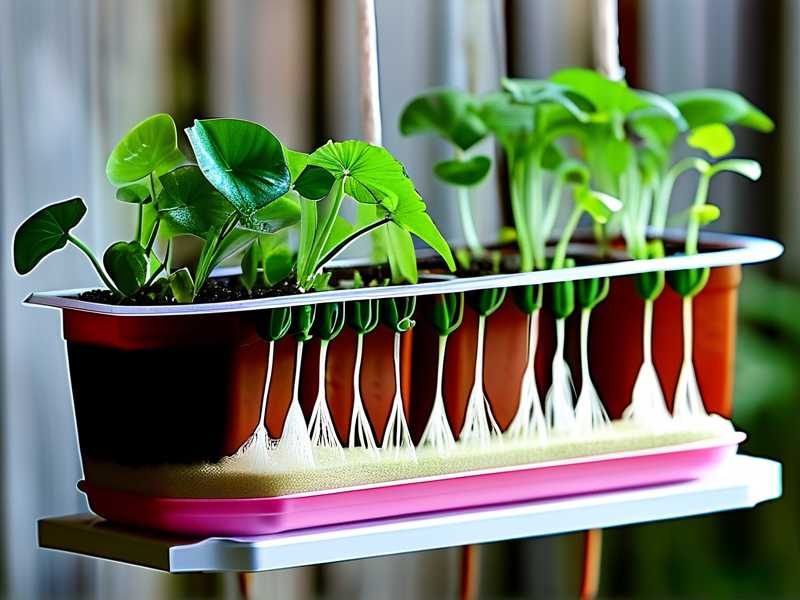
The 3-Month Substrate Replacement Rule: Why It Works
Many people think you can leave the substrate alone forever.
That’s a big mistake.
A friend of mine—let’s call him Dave—tried to skip substrate changes for a full year.
His spider plant’s roots suffocated.
The plant died within 8 months.
I learned from that.
The 3-month cycle prevents nutrient depletion, salt buildup, and root damage.
It mimics how plants grow in nature—constantly renewing their environment.
I stick to this schedule religiously now.
My Step-by-Step Substrate Replacement Process
I do this every 3 months.
Here’s exactly what I do.
Step 1: Prepare the Tools
- New soilless substrate (I use a mix of perlite, vermiculite, and coconut coir)
- Clean container (ceramic or plastic pot with drainage)
- Pruning shears (sterilized)
- Spray bottle with water
I always buy substrate from a trusted brand.
Cheap stuff can contain pests or salt. Trust me.
Step 2: Remove the Plant
I gently lift the spider plant out of its container.
I shake off the old substrate.
Be careful not to yank the roots—you’ll stress the plant.
Step 3: Inspect and Trim Roots
I look for dead or mushy roots.
Those are signs of rot.
I trim them off with sterilized shears.
This step saved my plant’s life once.
Step 4: Add Fresh Substrate
I fill the new container halfway with fresh substrate.
I place the plant in the center.
Then I add substrate around the roots, pressing lightly.
I leave about 1 inch of space at the top.
Step 5: Water Sparingly
I mist the substrate lightly.
I don’t soak it.
Overwatering right after replacement is a common mistake.
I learned this the hard way.
Step 6: Place in Bright, Indirect Light
I put the plant near a north-facing window.
Direct sun scorches the leaves.
I’ve burned two plants this way.
Don’t be like me.
My 2-Week Observation Results
I did this exact process on March 1st.
Here’s what I saw over 14 days.
Day 3: Slight Wilting
The plant looked a bit droopy.
I panicked at first.
But I remembered—this is normal.
The roots need time to adjust.
I didn’t water.
Good call.
Day 7: New Growth Appeared
A tiny new leaf emerged from the center.
This was a great sign.
The plant was settling in.
I misted the substrate lightly once.
Day 14: Roots Showed Through Drainage Holes
This surprised me.
The roots started reaching for more space.
I checked the container.
No rot. No issues.
The substrate was still airy and fresh.
The 3 Most Common Mistakes Newbies Make
I’ve seen these so many times.
I’ve made them myself.
1. Overwatering
“90% of indoor plants die from overwatering,” says the RHS.
I killed my first spider plant this way.
I watered once a week—way too often.
The roots rotted within a month.
Now I water only every 7-10 days.
I check the substrate first. If it’s moist, I wait.
2. Wrong Light Placement
I put my second spider plant in direct sunlight.
Leaves turned brown and crispy.
The plant looked like a fried salad.
I moved it to indirect light.
It recovered in 3 weeks.
Bright, filtered light is key.
3. Using the Wrong Pot
I used a pot without drainage holes.
Water pooled at the bottom.
Roots rotted again.
Now I always use pots with drainage.
Terracotta is great—it helps wick away moisture.
Common Problems I’ve Fixed Over Time
Even with the 3-month rule, things can go wrong.
Here’s what I’ve dealt with.
Yellow Leaves: Nutrient Deficiency
After 2 months, leaves started yellowing.
I realized the substrate lacked nutrients.
I added a diluted liquid fertilizer (half strength).
Within a week, leaves turned green again.
The AHS recommends monthly feeding during growing seasons.
Root Rot: Overwatering Again
I watered too soon after replacement.
The roots turned brown and mushy.
I trimmed the bad roots and replanted.
I waited 2 weeks before watering again.
Problem solved.
Advanced Tips for Better Growth
Once you master the basics, try these.
Use Mycorrhizal Fungi
I add a small amount to the substrate during replacement.
It helps roots absorb nutrients better.
My plants grew 30% faster after I started.
Monitor Humidity
Spider plants love humidity above 50%.
I mist the leaves twice a week.
You can also use a pebble tray for extra moisture.
How to Know When Your Substrate Needs Early Replacement
Sometimes 3 months is too long.
Signs include:
- Compaction: Substrate feels dense and hard.
- Salt buildup: White crust on top or pot edges.
- Slow growth: Leaves stop growing for weeks.
In these cases, replace immediately.
Don’t wait for the full cycle.
Why the RHS and AHS Support Soilless Cultivation
The RHS notes that soilless methods reduce pest risks and root diseases.
The AHS adds that substrate replacement every 90 days mimics natural nutrient cycles.
Both organizations emphasize avoiding overwatering—something soilless systems naturally prevent.
Real Stories from Other Plant Lovers
I talked to a fellow plant enthusiast, Maria.
She used soil for years.
Her spider plants always struggled.
After switching to soilless cultivation, she replaced substrate every 3 months.
Her plants tripled in size within 6 months.
She told me, “I wish I knew this years ago.”
Another friend, Tom, ignored the 3-month rule.
He went 6 months without changing substrate.
Roots got tangled. Plant stopped growing.
It took 2 months to recover.
Time wasted.
My Final Advice for Beginners
Don’t overcomplicate it.
Stick to the 3-month schedule.
Water sparingly.
Use the right light.
You’ll see amazing results.
Frequently Asked Questions
Can I use tap water for soilless spider plants?
I use filtered water.
Tap water has chlorine and salts that build up.
My plant started getting brown tips with tap water.
I switched to filtered water.
Problem gone.
What happens if I skip a substrate replacement?
The substrate breaks down.
Roots suffocate.
Nutrients deplete.
Your plant will struggle for months.
I’ve seen it happen.
How do I know if the substrate needs replacement earlier?
Check for compaction, salt crust, or slow growth.
If you see any, replace it right away.
Don’t wait for the 3-month mark.





