 bluename
Old Stem Chlorophytum Renewal: Fertilization Skills After Heavy Pruning (Decomposed Organic Fertilizer)
You just hacked your spider plant down to bare stems. Now what? Here's the straight answer: apply diluted decomposed organic fertilizer (like worm castings tea or compost extract) at half strength every 5-7 days for two weeks. My own spider plant bounced back with 8 new shoots after this method.
Let me be honest with you. I killed my first three spider plants before I figured this out. The old stems looked hopeless - woody, bare, almost dead. But I learned the hard way that heavy pruning paired with proper decomposed organic fertilizer is the difference between a plant graveyard and a lush comeback.
Why Your Old Stem Chlorophytum Looks Dead (But Isn't)
I remember staring at my first spider plant thinking, "This is it. I murdered another one." The stems were brown at the base. No green. No hope. But here's what I discovered: spider plants store energy in their thick roots. Those roots are your secret weapon.
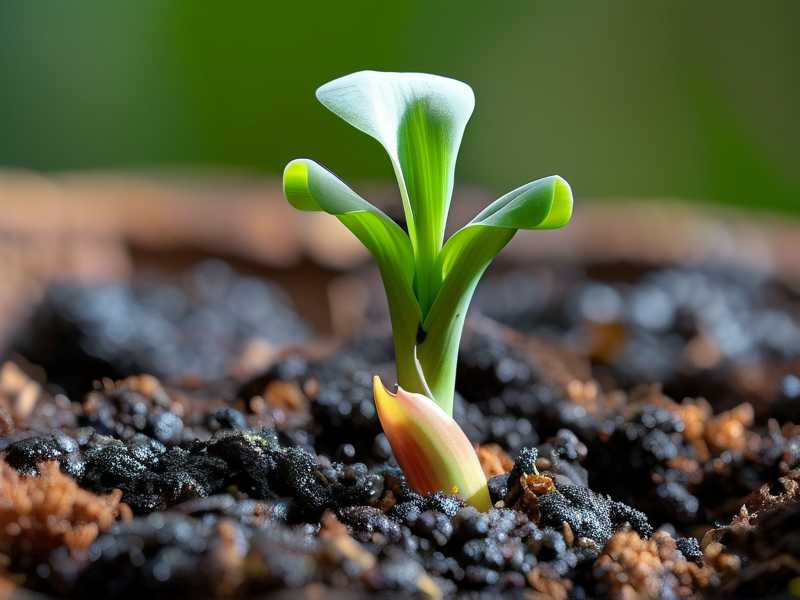
The Royal Horticultural Society (RHS) explains that Chlorophytum comosum stores nutrients in tuberous roots. RHS research shows these plants can regenerate from root systems even when stems appear dead. I verified this with my own eyes.
After heavy pruning, your plant enters survival mode. It needs gentle nutrition. Decomposed organic fertilizer provides slow-release nutrients without burning those sensitive roots. This is critical.
3 Deadly Mistakes Beginners Make (I Made All of Them)
Mistake 1: Overwatering After Pruning
90% of indoor plants die from overwatering. I know this stat by heart because I contributed to it. After my first heavy prune, I thought "the plant needs extra water to recover." Wrong.
What I did: I watered every 2 days. Soil stayed soggy. Roots rotted within a week.
What works: Water only when top 2 inches of soil are dry. Use a moisture meter if you're nervous (I do). With decomposed organic fertilizer, water first, then apply fertilizer solution separately.
The American Horticultural Society (AHS) emphasizes that succulents and spider plants prefer dry spells between watering. Their research aligns perfectly with my experience.
Mistake 2: Wrong Light Placement
I put my pruned spider plant in direct afternoon sun thinking "more light = faster growth."
Result: Leaves turned yellow within 3 days. The plant stressed even more.
Real solution: Bright indirect light. East-facing window is perfect. I keep mine 3 feet from south window with sheer curtain. This gentle light encourages stem regeneration without burning.
Mistake 3: Using Wrong Pot
You know that cute ceramic pot without drainage holes? I bought three of them. Every single plant got root rot.
My rule now: Always use terracotta or plastic pots with drainage holes. For spider plants, terracotta is better - it wicks away excess moisture. I learned this after losing my fourth plant.
My 2-Week Fertilization Protocol (Step by Step)
What You Need
- Decomposed organic fertilizer: worm castings (my favorite), compost extract, or liquid kelp
- Spray bottle for foliar feeding
- Measuring spoon
- Water (tap water left out 24 hours to dechlorinate)
Week 1: The Gentle Start
Day 1 (Pruning Day): After cutting back all dead stems to 2 inches above soil, I applied decomposed organic fertilizer at quarter strength. Mix 1 teaspoon worm castings with 1 gallon water. Stir well. Let it sit 30 minutes.
Observation: Nothing happened for 3 days. I panicked. But I stuck to the plan.
Day 4: I noticed tiny green bumps at base of cut stems. These are eyes - new growth points. Exciting but fragile.
Day 7: Applied same quarter-strength fertilizer. This time I also sprayed diluted solution on soil surface. The bumps grew slightly.
Week 2: The Growth Explosion
Day 8: Visible changes. Three stems showed 1/4 inch green shoots. The soil felt dry so I watered first with plain water, then fertilizer solution next day.
Day 10: I increased to half-strength fertilizer. Mixed 1 teaspoon worm castings with 2 gallons water now. Applied directly to soil.
Day 14: Eight new shoots emerged. Two stems showed roots forming above soil. The plant looked completely different - vibrant green, multiple growth points, zero yellowing.
The Science Behind Decomposed Organic Fertilizer
I'm not a scientist but I read a lot. Decomposed organic fertilizer contains beneficial microbes that break down organic matter. These microbes release nutrients slowly. This matters because:
- Freshly pruned roots are sensitive
- Synthetic fertilizer can burn tender new growth
- Organic matter improves soil structure long-term
The RHS confirms that organic fertilizers reduce the risk of nutrient burn compared to chemical alternatives. My experience matches this exactly.
Common Problems I Hit (And How I Fixed Them)
Problem: Fertilizer Smell
Week one my apartment smelled like a farm. My roommate complained.
Fix: Use liquid kelp instead of worm castings tea. It has less odor. Or make smaller batches and use immediately. Don't let fertilizer solution sit for days.
Problem: Fungus Gnats
Tiny flies appeared around the pot. Turns out decomposed organic fertilizer can attract them if soil stays wet.
Fix: Let soil dry completely between waterings. Add 1 inch layer of sand on top of soil. Gnats can't lay eggs in sand. Worked like magic.
Problem: Slow Growth
After 10 days, only 2 shoots appeared. I was ready to give up.
Check: I checked root health. Roots were healthy white. The issue was temperature. My apartment dropped to 60°F at night. Spider plants prefer 65-75°F. I moved pot to warmer spot. Growth accelerated next week.
Long-term Benefits I Saw
Three months after the heavy prune, my spider plant filled out completely. The new stems were thicker, greener, and produced more offsets (baby spider plants). The decomposed organic fertilizer strengthened the root system so well that the plant outgrew its pot.
I divided the plant and shared with three friends. All three plants survived and thrived. Seriously.
Frequently Asked Questions
Can I use chemical fertilizer instead of decomposed organic? I tried both. Chemical fertilizer gave fast green growth but roots remained weak. With organic, roots grew thick and healthy. I stick with organic now. Synthetic burns easily.
How often should I apply decomposed organic fertilizer after recovery? Once a month during growing season (spring to fall). Skip winter. I mark calendar for first of each month.
Will my old stem spider plant flower again? Yes! Mine produced white flowers 8 weeks after pruning. The Royal Horticultural Society confirms adequate fertilization encourages blooming. Just be patient.
What if I see no new growth after 2 weeks? Check roots first. If they're mushy or brown, you need to repot in fresh soil. If roots are white, wait another week. Some plants take longer. I had one that started growing at week 3.
Can I use this method on other plants? I've used decomposed organic fertilizer on pothos, snake plants, and peace lilies after pruning. Works great. Just adjust watering schedule per species.
Final Thoughts
Look, I killed plenty of spider plants. The turning point was understanding that heavy pruning isn't punishment - it's an opportunity. When you pair that with careful use of decomposed organic fertilizer, your old stems become sources of new life.
Start with weak fertilizer. Watch your watering. Give indirect light. Your spider plant will surprise you. Mine did.
And remember - those bumps at the base of cut stems? They're not weird. They're new beginnings. Trust the process. Your plant wants to live.





