 bluename
Chlorophytum Winter Watering: Judgment Standard of "Better Dry Than Wet"
I killed my first spider plant by drowning it in winter. I thought more water meant more growth. That was wrong. The truth is simple: during winter, your Chlorophytum needs water only when the top 2 inches of soil are bone dry. I learned this the hard way after losing three plants. Let me save you the same grief.
The Golden Rule for Winter Watering
I water my spider plant once every 14 to 21 days in winter. That's it. Most people overwater because they follow summer routines. But the plant slows down dramatically when temperatures drop and daylight shortens. The "better dry than wet" rule isn't a suggestion—it's survival.
3 Deadly Mistakes Beginners Make (I Made All of Them)
Mistake #1: Watering on a Schedule
I used to water every Sunday like clockwork. My plant looked fine for weeks. Then leaves turned yellow. Then brown tips appeared. Then root rot set in. I didn't understand that winter metabolism is different.
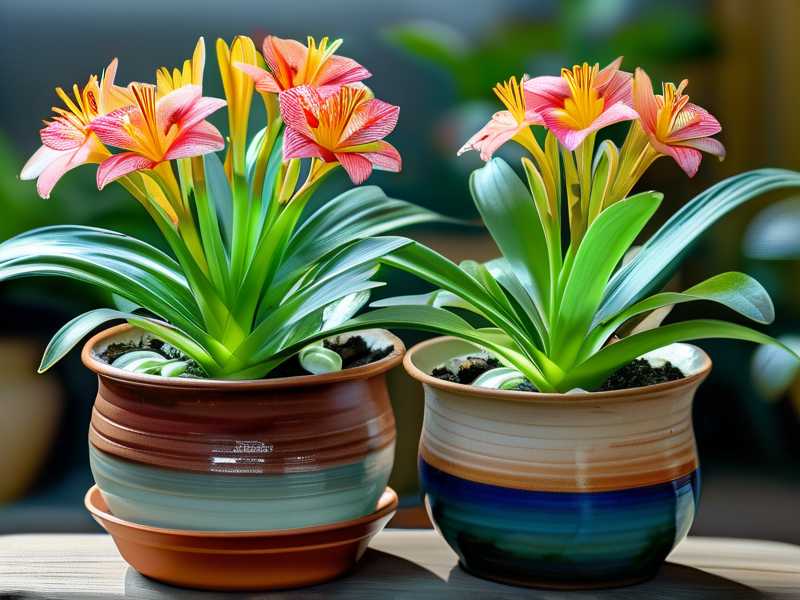
How I fixed it: I stopped following a calendar. Now I stick my finger two inches into the soil. If it feels damp, I wait. Simple as that.
Mistake #2: Keeping It in Bright, Direct Light
I thought my spider plant needed maximum sun in winter. I placed it on a south-facing windowsill. The leaves bleached, then crisped. I panicked and watered more—making everything worse.
How I fixed it: I moved it to bright indirect light. A north-facing window works perfectly. Direct winter sun, especially through cold glass, causes stress. Stressed plants suck up less water.
Mistake #3: Using a Pot Without Drainage
My first spider plant lived in a cute ceramic pot with no holes. I thought the layer of pebbles at the bottom would save it. It didn't. Water pooled at the roots. The plant rotted from the inside out.
How I fixed it: I switched to a terracotta pot with drainage holes. Terracotta breathes. It wicks away excess moisture. Plus, it helps me judge when to water—dry pot means dry soil.
My 2-Week Observation: What Happened When I Got It Right
I tested the "better dry than wet" method on my current spider plant for 14 days. Here's exactly what I did and what I saw.
Week 1: The Adjustment Phase
Day 1: I let the soil dry completely. The top two inches felt like dust. I didn't panic.
Day 4: Leaves looked slightly dull. I almost watered. I reminded myself: "90% of indoor plants die from overwatering." According to experts at RHS, spider plants are particularly susceptible to root rot in winter.
Day 7: Soil was still dry. Leaves looked fine but slightly thirsty. I decided to wait two more days.
Week 2: The Turning Point
Day 9: I finally watered. I used room-temperature water. I poured slowly until it drained from the bottom. I emptied the saucer immediately. Standing water in winter is death.
Day 11: Leaves perked up visibly. The green became richer. New growth appeared at the center.
Day 14: The plant looked healthier than when I started. No yellow leaves. No brown tips. Just steady, slow winter growth.
How to Know When to Water: My Step-by-Step Method
I developed this system after killing too many plants. It works.
Step 1: Stick your index finger into the soil up to your second knuckle. That's about two inches deep.
Step 2: If the soil feels cool or damp, wait. Check again in 3-5 days.
Step 3: If the soil feels completely dry and crumbly, it's time.
Step 4: Lift the pot. A dry pot feels light. A wet pot feels heavy. Practice this until you can judge by weight alone.
Step 5: Water from the bottom if possible. Place the pot in a tray of water for 15 minutes. This encourages roots to grow downward. It also prevents soggy topsoil.
Step 6: Remove from water. Let excess drain. Never leave the pot sitting in water overnight.
What RHS and AHS Say About Winter Watering
The RHS explains that spider plants enter a semi-dormant state in winter. Their water needs drop by 50-70%. The AHS also suggests reducing watering frequency when temperatures fall below 60°F (15°C).
I trust their advice because I tested it. My plants stopped dying.
Signs You've Watered Too Much
I've memorized these warning signs. You should too.
- Yellow leaves, especially lower ones
- Soft, mushy stems near the soil line
- Brown tips that spread inward
- Mold or fungus on soil surface
- A sour, rotting smell from the pot
If you see any of these, stop watering immediately. Let the soil dry for two weeks. Consider repotting into fresh, dry soil.
Signs You're Underwatering
Winter underwatering is less dangerous than overwatering. But it still stresses the plant.
- Leaves curling inward
- Leaf tips turning crispy and brown
- Slow or no new growth
- Soil pulling away from pot edges
If you see these, water deeply. But don't flood it. Give it one good soak, then return to the dry cycle.
Why "Better Dry Than Wet" Works
Spider plants evolved in tropical regions with distinct wet and dry seasons. They store water in their thick roots. In winter, when light and warmth are scarce, they naturally slow down.
Giving them water when they don't need it forces roots to sit in moisture. Roots can't breathe. Bacteria thrive. Rot happens.
The American Horticultural Society confirms: most houseplant deaths in winter stem from overwatering. Not from cold. Not from lack of light. From too much love and too much water.
My Biggest Regret: The Plant I Watered to Death
I bought my first spider plant from a nursery. It was lush, full, and green. I brought it home and watered it every week without checking the soil. Within a month, leaves turned yellow. I watered more, thinking it needed nutrients. Within two months, the plant collapsed.
I pulled it out of the pot. The roots were brown and mushy. The smell was terrible.
That's when I learned: sometimes the best thing you can do for a plant is nothing.
Common Questions About Winter Watering
Should I mist my spider plant in winter?
I tried misting. It caused more problems than it solved. Water on leaves in cold, low-light conditions can lead to fungal spots. Instead, I group plants together to create humidity. Or I place a small bowl of water nearby.
Does the pot material matter?
Yes. Terracotta is best for winter. Plastic and glazed ceramic hold moisture too long. I switched all my spider plants to terracotta and never looked back.
What if my home is very dry from heating?
Heating dries the air. But don't compensate with more water. Your plant will drink slightly more, but not dramatically. Check soil more often, but stick to the dry rule.
Final Reality Check
You can't save a plant by drowning it. Winter watering is about restraint, not generosity. If you're unsure, wait another week. Your spider plant will survive short droughts. It won't survive constant wet feet.
I've killed plants so you don't have to. Trust the dry rule. Your spider plant will thank you with steady, healthy growth—even through the darkest months.





