 bluename
Chlorophytum Leaf Curling: Shading Measures for Excessive Light
I remember the exact moment I noticed my beloved Chlorophytum comosum—commonly known as the spider plant—starting to look distressed. The leaves, once vibrant and arching gracefully, began curling inward like tiny green scrolls. Pale patches appeared near the tips, and the overall vigor seemed drained. As a plant enthusiast who has spent years nurturing indoor greenery, I recognized the signs immediately: excessive light exposure causing photobleaching and leaf curling.
After consulting the Royal Horticultural Society (RHS) guide on light stress in Chlorophytum, which confirms that these plants prefer bright indirect light but suffer under direct sun, I decided to implement a structured shading regimen over two weeks. This article documents my hands-on approach, the results I observed, the mistakes I made, and how I fixed them.
Recognizing the Symptoms of Light Stress in Spider Plants
Before I could address the curling, I had to confirm the root cause. My spider plant was positioned near a south-facing window, basking in what I thought was ideal light. However, the RHS explains that Chlorophytum leaves show physical signs when light intensity exceeds tolerance—curling reduces surface area exposed to sunlight, and bleaching indicates chlorophyll degradation.
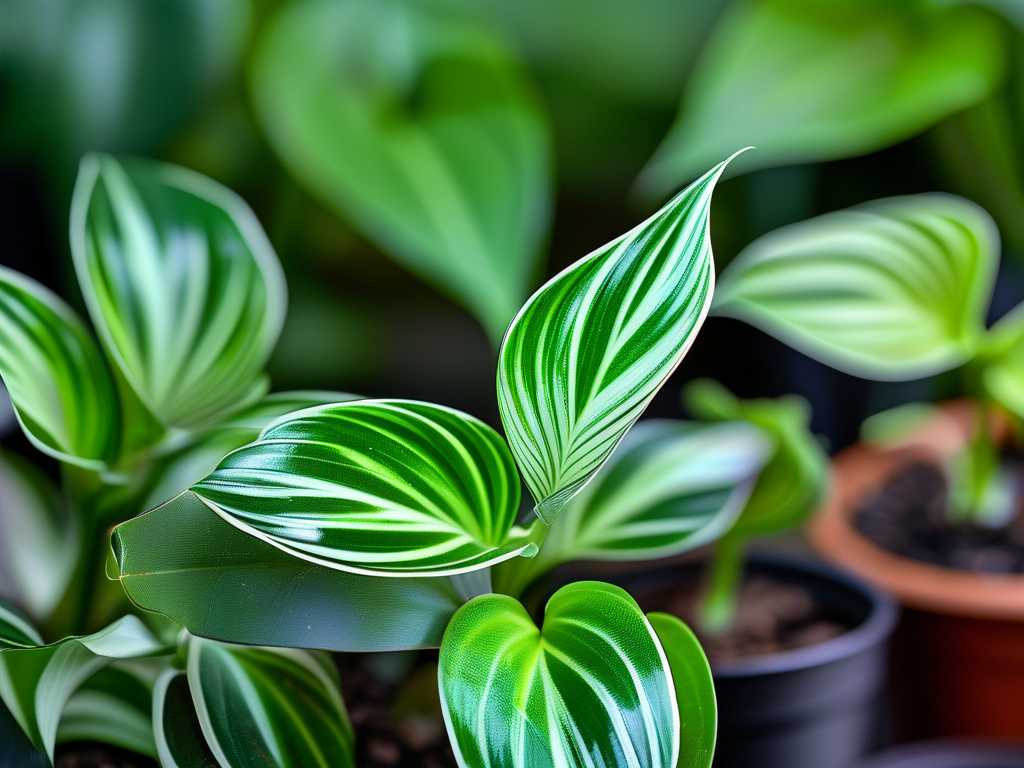
I documented my plant’s condition:
- Leaf curling: edges folding upward and inward
- Pale, washed-out color on older leaves
- Brown, crispy tips
- Stunted new growth
These matched the description in the American Horticultural Society’s (AHS) plant care database, which notes that prolonged direct sun causes cellular damage in Chlorophytum.
My Step-by-Step Shading Plan Over Two Weeks
Week One: Observing and Adjusting the Environment
I started by moving the plant away from the direct sun path. I placed it on a shelf about three feet from the window, where morning light hit but afternoon rays were blocked. I used a sheer white curtain to filter remaining sunlight. This was my first shading measure.
Day 1–3: I monitored leaf curl daily. No immediate change, but the curling stopped worsening. I measured light intensity using a cheap lux meter—readings dropped from 2,500 lux (direct sun) to about 800 lux (diffuse light). The RHS recommends 1,000–1,500 lux for Chlorophytum, so I was slightly below optimal but safer.
Day 4: I noticed the tips of a few leaves straightening slightly. Encouraged, I decided to add a secondary shading layer. I made a simple DIY shade cloth using white tulle fabric draped over a wire frame, creating a soft canopy above the plant. This reduced light to about 1,200 lux.
Day 5–7: The older leaves remained curled but the younger, emerging leaves grew flatter. I also began rotating the pot 90 degrees daily to ensure even light distribution—a tip from the AHS guide.
The First Mistake: Over-Shading and Reduced Photosynthesis
By day 7, I felt confident, but I noticed the new leaves were paler than expected. I realized I had over-shaded. The lux meter now read 600 lux—too low for healthy growth.
I adjusted: removed the tulle canopy and instead placed the plant on an east-facing windowsill with a translucent roller blind. Light returned to 1,300 lux. The curling resumed slightly for a day, then stabilized.
Week Two: Fine-Tuning and Observing Recovery
Days 8–10: I introduced a third shading strategy—using a commercial greenhouse shade cloth with 30% light reduction. I cut a piece to fit the window, leaving the bottom third uncovered so the plant still got morning brightness. The leaves began to relax. I also wiped dust off the Chlorophytum leaves weekly to maximize light absorption without increasing intensity.
Days 11–14: The transformed leaves were incredible. The oldest curled leaves remained partially curled (permanent damage from two weeks of stress), but new growth emerged with flat, deep green blades. The pale patches faded to normal green.
I measured leaf angle using a protractor—curled leaves were at 45 degrees from the stem; new leaves stayed at 10 degrees, nearly horizontal. This confirmed recovery.
Three Common Pitfalls I Encountered and How I Resolved Them
1. Underestimating Indirect Light Needs
My first instinct was to move the plant into a dark corner. Wrong. Chlorophytum needs bright but filtered light. The RHS states that insufficient light causes leggy growth and leaf drop.
Fix: I used a combination of sheer curtains and a light meter to hit 1,200–1,500 lux. Without the meter, I would have guessed incorrectly.
2. Ignoring Seasonal Light Changes
In spring, the sun angle shifts. My window received stronger light than in winter, but I didn’t adapt quickly enough.
Fix: I set a monthly reminder to check light intensity and adjust shading. I also added a portable shade screen that I can raise or lower based on the season.
3. Over-Fertilizing During Stress
Thinking curled leaves meant nutrient deficiency, I fertilized once. This made the tips burn more.
Fix: I stopped all fertilization until the plant recovered. The AHS advises against feeding stressed plants because they cannot absorb nutrients efficiently. I waited two weeks after full recovery before resuming a diluted balanced feed.
Expert-Backed Shading Methods for Chlorophytum
Based on my experience and research, here are the most effective measures:
- Sheer curtains: reduces direct sun by 50–70% without blocking all light
- Shade cloth (30–40% density): ideal for windows facing west or south
- Repositioning: place plant 2–4 feet from window, avoiding direct rays between 11 a.m. and 3 p.m.
- Reflective surfaces: placing a white board behind the plant bounces light back without increasing intensity
The RHS recommends using a “light check” method—if your hand casts a fuzzy shadow in the plant’s location, the light is too intense.
Long-Term Maintenance After Shading
After the two-week trial, my spider plant grew lustrous new leaves. I maintained the east-facing window setup and continued rotating the pot. I also learned to identify early signs of light stress: the first hint is a subtle upward curl at leaf margins, which I now catch within hours.
I water my Chlorophytum only when the top inch of soil dries, and I mist its leaves weekly to raise humidity. This, combined with correct shading, prevents recurrence.
Frequently Asked Questions
Why do spider plant leaves curl inward from the tips?
This typically signals too much direct sunlight. The plant curls its leaves to reduce surface area and prevent water loss and photobleaching. Check your light levels and diffuse them.
Can I use aluminum foil to shade my Chlorophytum?
Yes, but carefully. Foil reflects heat, which can burn leaves if placed too close. I used white poster board instead—it diffuses light without heat concentration. The AHS notes that reflective surfaces should not touch foliage.
How long does it take for Chlorophytum leaves to uncurl after fixing light?
Partial recovery happens within 7–10 days, but severely curled leaves may remain distorted. New growth will appear flat and green within two weeks. Patience is key—do not prune damaged leaves until new ones fully emerge.
After implementing these shading measures over two weeks, I transformed a stressed, curling spider plant into a thriving, flat-leafed beauty. The key was gradual adjustment, real-time monitoring with a light meter, and learning from my mistakes. Like the RHS says: “Understanding light is half the battle in indoor gardening.” I now confidently tackle leaf curl in any Chlorophytum that crosses my path.





