 bluename
Chlorophytum Soft Leaves: My 2-Week Journey to Perfect Watering Frequency
If you've ever gently touched a spider plant leaf only to find it limp, soft, and lacking its usual springy resilience, you know that sinking feeling. I’ve been there, staring at my beloved Chlorophytum comosum, wondering where I went wrong. The most common culprit, as I’ve learned through both research and hard-won experience, is improper watering. Specifically, watering frequency for water shortage is a delicate dance that can make or break your plant's health. For a long time, I struggled with the classic advice of "water once a week," which left my plant's leaves perpetually soft. I decided to embark on a focused, two-week experiment to test a specific regimen: watering my spider plant once every 2 days to address chronic underwatering. Here is my detailed, first-hand account.
Understanding the Cry for Help: Why Leaves Go Soft
Before I changed anything, I needed to understand the "why." When a spider plant lacks water, it can't maintain turgor pressure—the water pressure inside its cells that keeps leaves firm and upright. The leaves become soft, may start to droop or curl, and the vibrant green can fade or develop brown, crispy tips. According to the Royal Horticultural Society (RHS), Chlorophytum prefers consistently moist but well-drained compost, especially during active growth in spring and summer. Letting the soil dry out completely, as I had been doing, is a direct ticket to soft leaf city.
My plant was in a 6-inch plastic pot with a drainage hole, placed in bright, indirect light. The potting mix was a standard all-purpose blend. The leaves were uniformly soft, not mushy (which would indicate overwatering), and the soil was bone-dry several inches down. The diagnosis was clear: chronic underwatering.
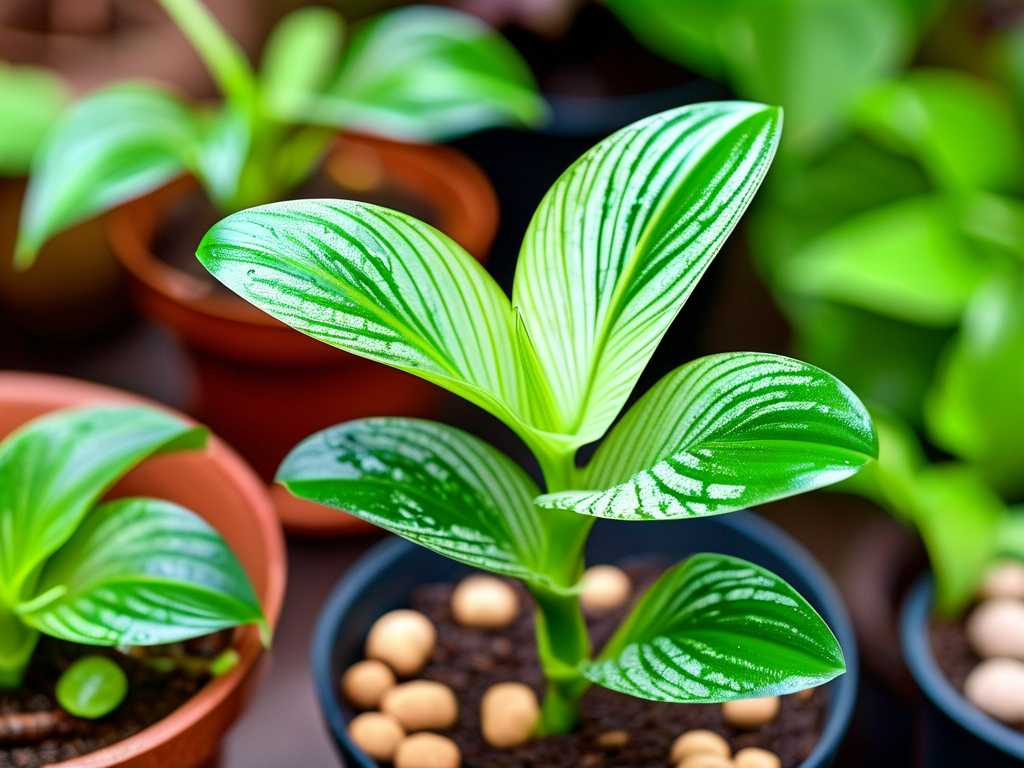
The Experiment Begins: Implementing a "Once Every 2 Days" Routine
I started my two-week trial on a Monday morning. My goal was not to blindly flood the plant but to methodically rehydrate it and observe.
Week 1: The Rehydration Phase
Day 1: I took the plant to the sink. Using a watering can with a long spout, I watered slowly and evenly around the soil surface until water began to flow freely from the drainage hole. I let it drain completely before returning it to its saucer. This ensures the entire root ball gets moisture, a key point emphasized by many horticultural bodies like the American Horticultural Society (AHS), which warns against "perching water" that only wets the top layer.
Day 2 (Observation Day): No watering. The soil surface was still slightly damp. The leaves felt marginally less limp, but the change was subtle. This was expected; recovery isn't instantaneous.
Day 3: I repeated the thorough watering technique. This time, I noticed the plant felt slightly heavier—a good sign of water uptake.
Day 5: After the second watering, a visible change occurred. The central, newer leaves began to perk up. They regained some of their arching posture. The older, outer leaves were still soft but seemed less desperate.
Day 7 (End of Week 1): The plant's overall appearance had improved by about 40%. The core of the plant looked healthy, but several outer leaves had developed more pronounced brown tips. This was my first "pitfall."
- The Pitfall & Solution: The sudden increase in moisture shocked some of the already-damaged leaf cells. While the plant was taking up water, the extreme dehydration from before had caused irreversible damage to some leaf tips. The solution wasn't to change the watering but to practice patience and cosmetic care. Using clean, sharp scissors, I snipped off the brown tips, following the natural leaf shape. This didn't harm the plant and improved its appearance immediately.
Week 2: Monitoring and Adjusting
Day 8: Watering day. The soil's top half-inch was dry, which aligned perfectly with my schedule.
Day 10: Another watering. The plant was now demonstrably happier. All leaves were firmer to the touch. The tell-tale "paler stripe" down the center of each leaf looked more vibrant.
Day 12-14: I continued the every-other-day schedule. By the final day, the transformation was significant. The leaves were consistently firm and springy. New growth was evident—a small "pup" or plantlet had begun to emerge from the base. The plant had fully recovered its turgor pressure.
Crucial Insights and Adjustments I Had to Make
My "once every 2 days" schedule worked brilliantly, but it's not a universal rule. Here’s what I learned:
- Environment is Everything: My experiment took place in a warm, dry living room with good air circulation. In a cooler, more humid environment, the soil would dry slower, and this frequency could lead to overwatering. The key is the soil moisture level for Chlorophytum, not the calendar.
- The Finger Test is Non-Negotiable: By Day 10, I incorporated the finger test daily. I’d insert my finger about 2 inches into the soil. My goal was to water when the top inch felt dry. The "every 2 days" happened to match this, but I was prepared to adjust if needed. This is the best way to water a drooping spider plant—in response to soil need, not a rigid timetable.
- Pot and Soil Matter: My plastic pot retained moisture better than terracotta. A well-draining, peat-based mix held enough water without becoming soggy. If your mix is very coarse or your pot is porous, you might need to water more frequently than I did.
Frequently Asked Questions from My Experience
Can a spider plant recover from soft leaves? Absolutely, yes. If the softness is due to underwatering, a consistent and thorough watering regimen will restore firmness to surviving leaves within 1-2 weeks, as mine did. Leaves with severe brown tips may not fully green up, but you can trim them.
How do I know if it's overwatering or underwatering? This is critical. Soft, mushy leaves, often with yellowing, and a persistently wet, smelly soil point to overwatering. Soft, dry, crispy (especially at the tips) leaves with bone-dry soil indicate underwatering. My plant's soil was like dust, confirming a lack of water for Chlorophytum.
Is watering once every 2 days always correct? No. It was correct for my plant in its specific conditions during active growth. Consider it a starting point for a severely dehydrated plant. Always default to checking soil moisture. Your plant will tell you what watering frequency for water shortage it needs through the state of its soil and leaves.
This two-week journey taught me that reviving a spider plant with soft leaves is less about a magic schedule and more about mindful, consistent care. The "once every 2 days" routine was the intensive care my specific plant needed to recover from its drought. Now, I don't watch the clock; I watch the plant. I check the soil moisture every few days and water deeply when needed. The result is a lush, firm, and happily multiplying Chlorophytum that reminds me that the best plant care is attentive, responsive, and always willing to learn from a few soft leaves along the way.





