 bluename
The Ultimate Guide to Chlorophytum Division Propagation: My 2-Week Journey with Watering (Once Every 4 Days)
You’ve just successfully divided your lush, overgrown spider plant, feeling that mix of pride and nervous excitement. Now, a critical question looms: how often should you water these new divisions? Get it wrong, and you risk losing those precious pups you worked so hard to create. I’ve been there, hovering with a watering can, unsure if I’m nurturing or drowning my new plants. Through trial, error, and careful observation, I found a rhythm that works remarkably well: watering once every 4 days after division. Let me walk you through my exact process, the results I observed over two crucial weeks, and the lessons I learned the hard way.
Why Post-Division Watering is a Make-or-Break Moment
Dividing a Chlorophytum, or spider plant, seems straightforward. You separate the root clumps, pot them up, and wait for growth. But the real test begins immediately after. These divisions are in a state of shock. Their root systems are reduced, damaged, and struggling to adapt. The primary goal isn’t to fuel explosive growth; it’s to support recovery and new root development without causing rot. This is where a disciplined watering schedule for new spider plant divisions becomes non-negotiable. According to the Royal Horticultural Society (RHS), overwatering is the most common cause of failure with newly potted plants, as damaged roots are highly susceptible to pathogens in soggy soil.
My Step-by-Step Process: Implementing the 4-Day Watering Rule
My experiment started with a mature, healthy Chlorophytum ‘Vittatum’ that had multiple large offshoots and a crowded root ball. Here’s exactly what I did, step by step.
Preparation is Key: Setting the Stage for Success
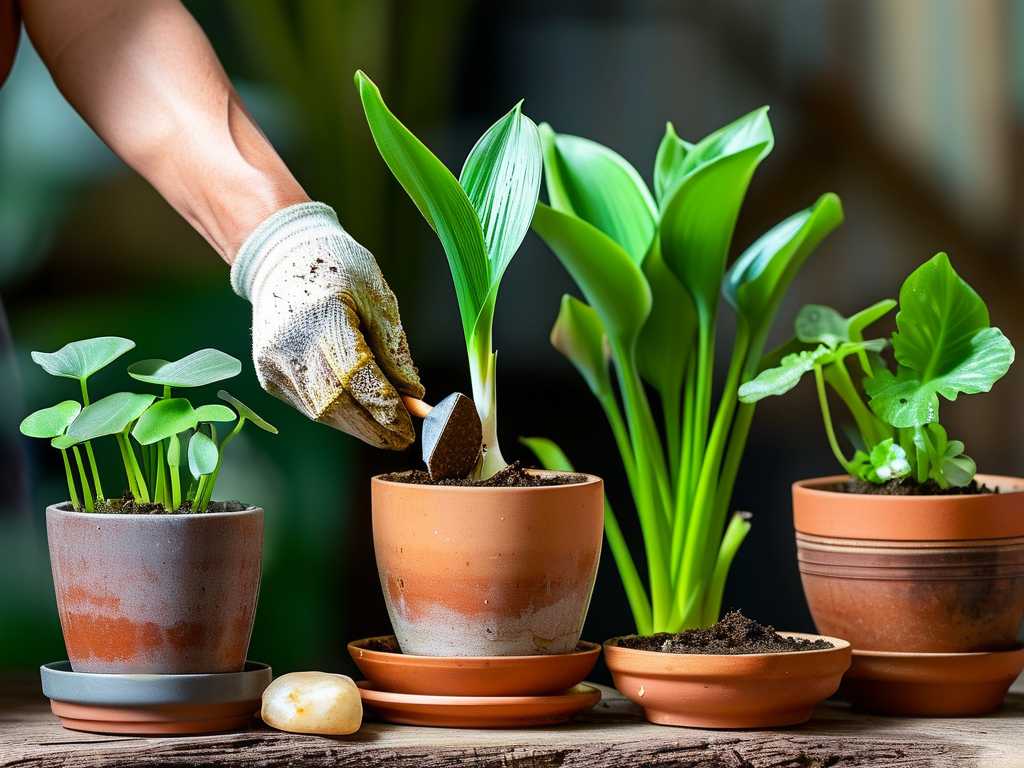
First, I gathered my materials: fresh, well-draining potting mix (a blend of peat, perlite, and compost), clean pots with drainage holes, a sharp, sterilized knife, and a watering can with a narrow spout. I cannot stress enough the importance of drainage. The American Horticultural Society (AHS) emphasizes that good drainage is critical for preventing root rot, especially in stressed plants. I moistened the potting mix slightly before using it—it should feel like a wrung-out sponge, not dripping wet.
The Division and Initial Planting
I gently removed the mother plant from its pot and teased apart the root mass. Where roots were tightly tangled, I used the sterilized knife to make clean cuts, ensuring each division had a good cluster of roots and several leaves. I potted each division into its new home, firming the soil gently around the roots to eliminate large air pockets. Immediately after potting, I gave them what I call the “settling drink.” This is a thorough, gentle watering until water runs freely from the bottom drainage holes. This initial soak helps the soil settle around the roots and provides essential moisture to kickstart recovery.
Initiating the 4-Day Watering Cycle
After that initial watering, I placed the pots in a location with bright, indirect light—no direct sun, which would add transplant stress. Then, I set a reminder on my phone. My rule was simple: water newly divided spider plants every 4 days. I did not water based on how the surface soil looked, as it can dry quickly while the deeper soil remains moist. The 4-day cycle was my disciplined framework.
The 2-Week Observation Diary: What Actually Happened
Here’s a day-by-day account of how my Chlorophytum divisions responded to the once-every-4-days watering frequency.
Days 1-4: The Adjustment Period After the settling drink, the plants looked a bit weary, with some leaves slightly drooping—a normal transplant shock response. By day 3, the soil surface was completely dry to the touch. I resisted the urge to water early. On the morning of day 4, I checked the soil weight; the pots felt significantly lighter. I watered thoroughly until drainage occurred. Within a few hours, I noticed a subtle perkiness returning to the leaves. The plants weren’t growing yet, but they were stabilizing.
Days 5-8: Signs of Root Establishment The second watering cycle (day 4 and day 8) showed more promising signs. The droopiness from the first days was gone. The leaves felt firm and turgid. Most importantly, when I gave a very gentle tug on a leaf from one division on day 7, it felt anchored. This is a classic, low-tech test suggesting new root growth is occurring and the plant is establishing itself. The soil was drying out on a consistent schedule, confirming the roots were active and drawing up moisture.
Days 9-12: The Growth Signal Emerges By the third watering (day 12), the change was undeniable. I spotted the first tiny, pale green nub of a new leaf emerging from the center of two divisions. This was the confirmation I needed. The watering routine for divided Chlorophytum was working. The plants had moved from recovery mode into growth mode. The consistent, deep-but-infrequent watering had encouraged the roots to explore the new soil in search of moisture, creating a stronger root system.
Days 13-14: Assessment and Confidence At the two-week mark, all divisions were visibly healthy. New leaf growth was evident on most. There was no yellowing, no mushy stems, and no signs of fungus gnats (a telltale sign of overwatered soil). The post-division care for spider plants based on a strict schedule had successfully navigated the most vulnerable period.
The Pitfalls I Encountered (And How I Fixed Them)
My journey wasn’t perfectly smooth. I made a critical mistake with one division that taught me a vital lesson.
The “Killing with Kindness” Trap In my anxiety, I placed one division in a pot that was slightly too large. Even following the 4-day rule, the excess soil retained moisture for too long. By day 10, this plant’s growth had stalled, and the lowest leaves began to yellow. I had fallen into the overwatering trap despite my schedule because the pot size disrupted the dry-down cycle.
The Solution: Course Correction I immediately took action. I carefully un-potted the struggling division. The roots were still firm but not as white as the others. I let it air-dry on a paper towel for an hour, then repotted it into a smaller, snug-fitting container with fresh, airy mix. I resumed the 4-day schedule. Within a week, it stopped yellowing and joined the others in showing new growth. The fix was aligning the pot size with the root mass to ensure the soil could dry appropriately between waterings.
Adapting the Watering Frequency: It’s Not Just About the Calendar
While “once every 4 days” was my golden rule for this specific setup, it’s a starting point, not a dogma. Several environmental factors will affect how quickly your soil dries out:
- Light & Temperature: My plants were in a warm room (~70°F) with bright indirect light. In lower light or cooler temps, the interval might stretch to 5 or 6 days. In hotter, brighter conditions, it might shrink to 3.
- Pot Material: Terracotta pots breathe and dry out faster than plastic or ceramic. Adjust accordingly.
- Humidity: Higher ambient humidity slows soil drying.
The true measure is always the plant and the soil. By day 4, the top inch of soil should be dry, and the pot should feel light. The 4-day rule taught me the rhythm; observation taught me when to fine-tune it.
How long should I wait before fertilizing my new spider plant divisions? Wait at least 4-6 weeks, or until you see consistent new growth. Fertilizing too soon can burn the tender new roots and hinder recovery. When you do start, use a balanced, half-strength liquid fertilizer.
My division’s leaves are brown at the tips. Does this mean I’m under-watering? Not necessarily. Brown tips on Chlorophytum are often caused by low humidity, fluoride in tap water, or a slight build-up of salts. While underwatering can cause it, it’s more likely environmental. Try using distilled or rainwater, and ensure you’re following a consistent watering schedule that avoids letting the plant wilt completely.
Can I propagate spider plant pups directly in water instead of dividing? Absolutely, but the care differs. You can root the plantlets (pups) in water. Once they have substantial roots (1-2 inches long), pot them in soil. For these newly potted water-rooted plants, you’ll need to water more frequently at first (every 2-3 days) to help the roots transition from water to soil, before settling into a less frequent routine.
Success with Chlorophytum division boils down to mindful aftercare, with watering being the most critical lever. A disciplined approach of watering deeply once every 4 days provided the perfect balance of moisture and oxygen my new divisions needed to rebuild their roots and thrive. It prevented the panic of overwatering while offering enough support to avoid drought stress. By watching your plants, understanding your environment, and using this schedule as a trusted guide, you’ll transform those nervous new divisions into robust, flourishing spider plants ready to produce their own cascade of pups.





